

A fair can negotiate every concession commission carefully and still leave its biggest exposure unmanaged: what happens between a busy food window, a hurried employee, and a guest who gets hurt. Insurance belongs in that operating conversation, not just in the annual renewal packet. Managing fair concession insurance risk starts at the service window.
First, a necessary clarification about this headline: 30% is an illustrative premium increase, not a verified statewide increase for California fairs. No fair-specific market dataset is being presented here. Picture a fair whose annual premium moves from $100,000 to $130,000. That additional $30,000 is real pressure in the example, but it does not establish what your fair will pay. Your actual policies, loss history, exposures, and renewal quotations are the evidence that matters.
As spring planning moves toward summer opening, the useful question is not whether someone can promise cheaper insurance. It is whether the concession operation can demonstrate that preventable hazards are identified, corrected, and documented every day.
The renewal bill is only one piece of the risk
The California Department of Insurance commercial insurance guide distinguishes premises liability from products liability and explains that policy limits, exclusions, classifications, and exposures affect protection and price. That distinction is especially important on a fairground. A slippery approach to a booth and a food-related injury may involve different facts, parties, and coverage questions.
Do not translate a certificate of insurance into a promise that every possible loss is covered. Ask your broker or risk pool to review the actual requirements, policy terms, endorsements, deductibles, and reporting duties. Confirm who operates each booth and whether documents match that legal entity. A familiar booth name is not enough if the insured business has changed.
For fairs participating in public-entity arrangements, start with the relevant program rather than assuming ordinary commercial coverage. California Fair Services Authority identifies general liability, workers compensation, special-event coverage, contract insurance review, and risk-control services among its offerings. Participation and applicable terms must be confirmed directly; this article does not claim that every fair belongs to the same pool.
Follow the guest, not just the certificate
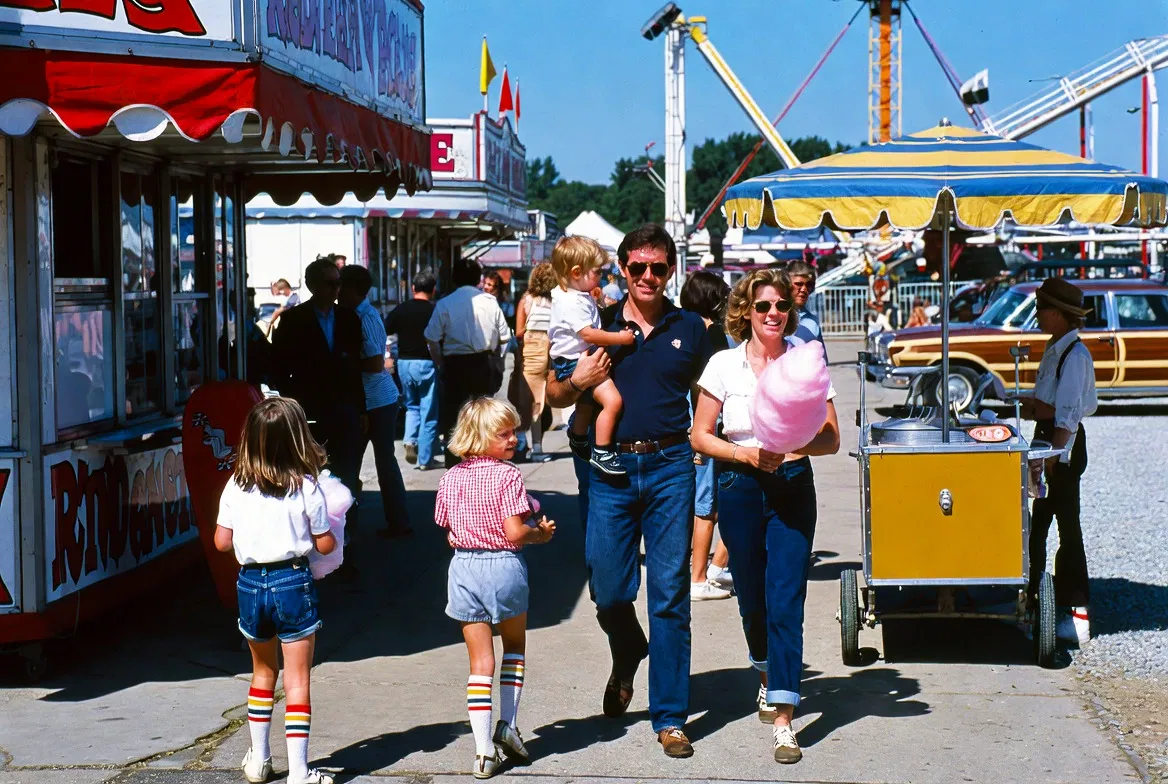
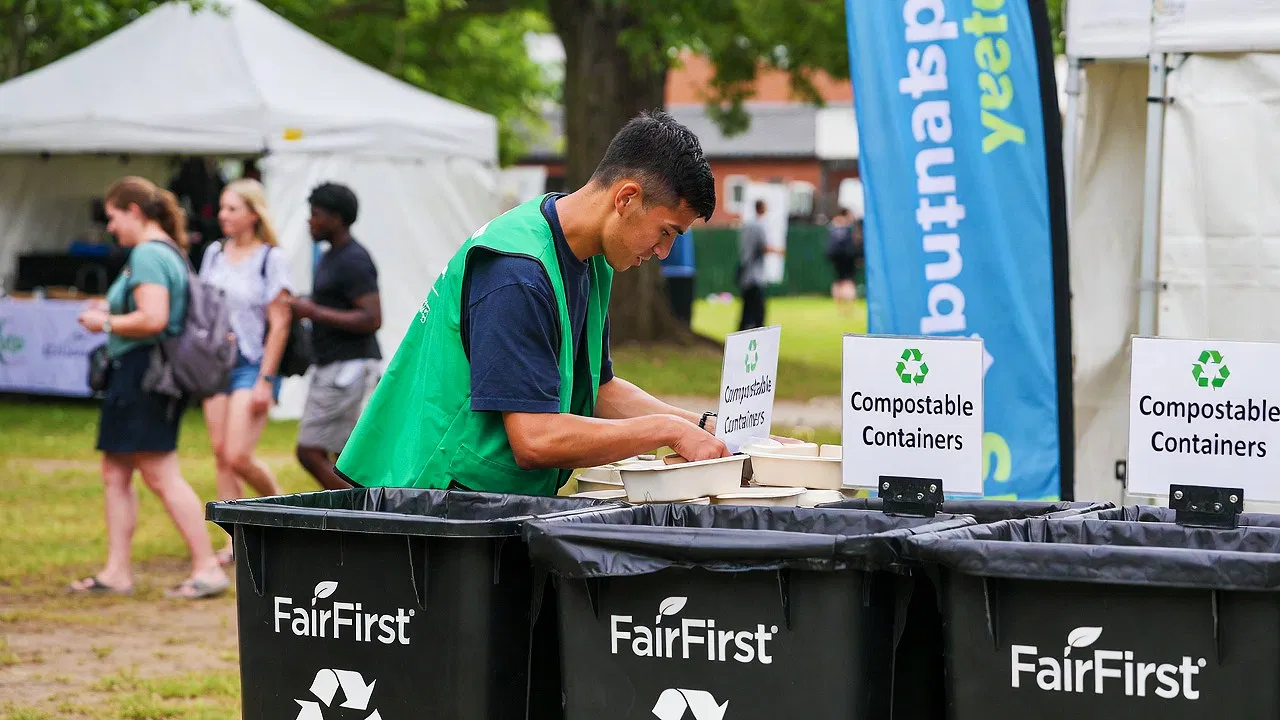
Walk the concession route as a parent carrying food while watching a child. Where does spilled lemonade collect? Does a queue force visitors across a delivery path? Can someone see a hose or uneven transition after sunset? Is waste removal happening before bins overflow?
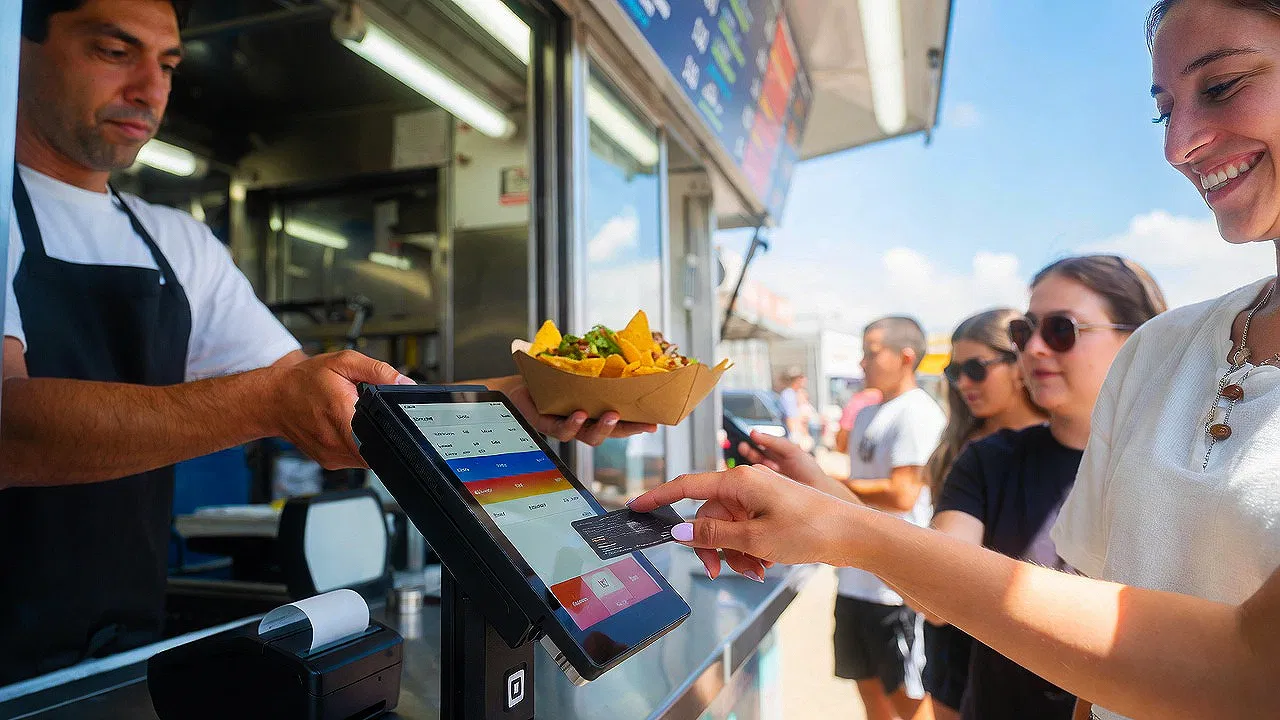
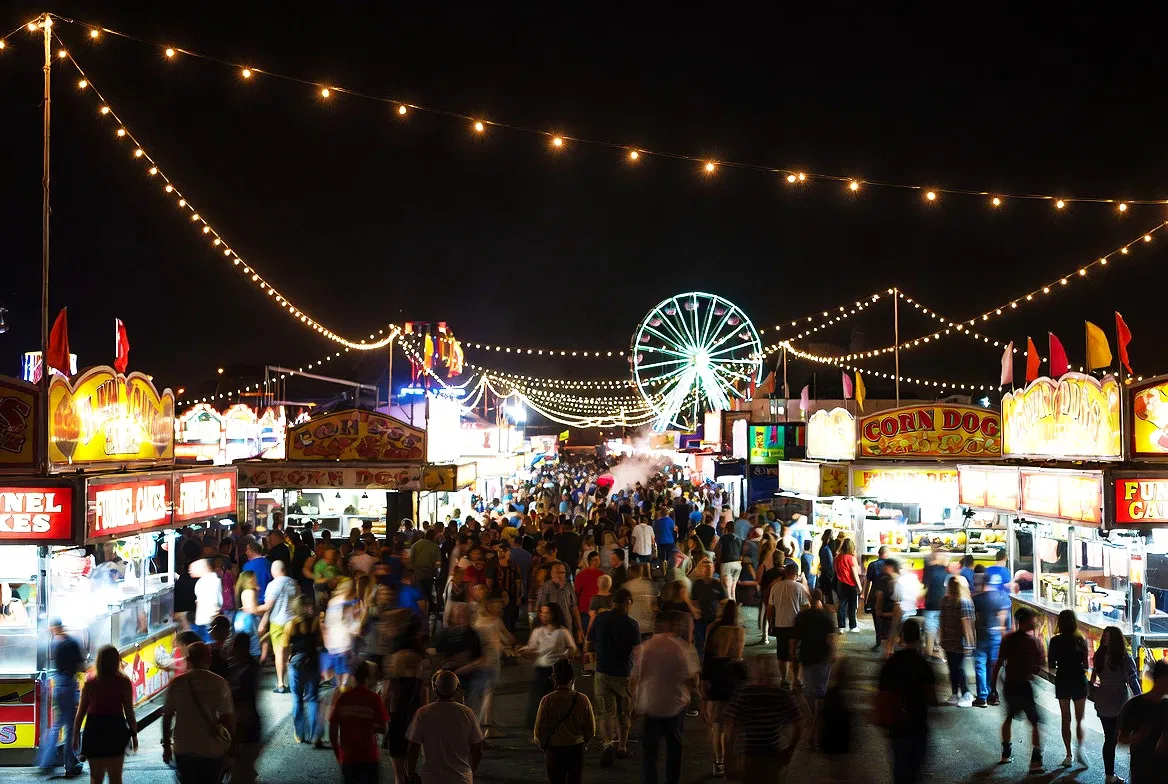
Then walk the same route as a worker carrying a hot tray. Check the handoff point, floor condition, storage space, and traffic around the cooking area. A route that looks acceptable before gates open can become unsafe when the concert crowd arrives. Opening inspection and peak-period inspection answer different questions.
Give each zone a named supervisor with authority to stop the immediate exposure. The supervisor should not need three approvals to isolate a spill, move an obstruction, or call facilities. Record the location, discovery time, temporary protection, permanent correction, and person who verified completion. A photograph alone is not a closed work order.
Allergen questions need a reliable answer
The FDA identifies nine major food allergens, including sesame, which joined the federal list effective January 1, 2023. Federal packaged-food labeling requirements should not be confused with a blanket guarantee about an unpackaged meal prepared at a fair booth. The operating challenge is keeping ingredient information and actual preparation aligned.
Require a current ingredient file for each menu item and a process for substitutions. If a supplier replaces a bun, sauce, or seasoning, someone must check the new product before staff repeat yesterday’s answer. Retain the relevant package information where the booth lead can find it during service.
Train employees to escalate uncertainty instead of guessing. A useful response is that the supervisor will check the ingredients and preparation process. Shared fryers, utensils, and work surfaces can matter even when a listed recipe does not contain the guest’s allergen. Do not advertise an allergen-free result the operation cannot substantiate.

Temperature control is a management task
A refrigerator being switched on is not proof that its food is safe. A manager needs a usable checking routine, a working food thermometer, and a decision rule for an unacceptable result. The California Retail Food Code temporary-food-facility chapter specifically addresses temperature-control equipment during transportation, storage, and operation. The trip from receiving to the booth is part of the system.
Agree on the booth’s approved handling plan with the local enforcement agency. Identify who checks receiving, holding, cooking, and any permitted cooling or reheating activities. Logs should capture the food, time, actual reading, and action taken. Do not create a sheet that encourages workers to write a target number instead of measuring.
Local requirements and temporary-facility exceptions matter. CalCode includes specific temporary holding and end-of-day disposal provisions; a manager should not casually apply a permanent restaurant’s routine to every fair booth. The FDA Food Code is a model for jurisdictions, not automatically a substitute for California law or the county’s permit conditions.
Build a backup plan for power loss, failed refrigeration, and delayed deliveries before the first truck arrives. Identify approved alternate storage and the person authorized to arrange replacement equipment. If food safety cannot be established, lost inventory is preferable to selling questionable product.
Training has to survive the dinner rush
A signed orientation sheet shows attendance. It does not prove that a new worker can safely manage a hot-food handoff, answer an ingredient question, or recognize a failed handwashing setup. Use short demonstrations at the actual workstation, followed by the employee showing the task back to the trainer.
Teach the specific risk at the specific location. A worker assigned to an outdoor grill needs different operational detail from a cashier handling guest questions. Both need to know who is in charge and how to stop a questionable sale without being punished for slowing the line.
Repeat the critical points at shift changes. Temporary teams change quickly, and substitute workers should not inherit an assumption that everyone already knows the booth’s process. Keep briefing language plain, accessible, and appropriate to the workforce. A procedure nobody can understand is not an effective control.
Heat protection belongs in the same conversation. Cal/OSHA’s heat-illness prevention resources address water, shade, training, planning, and emergency response for covered outdoor work. Exhausted or overheated people need protection, not instructions to move faster around hot equipment.
Audit correction, not just inspection volume
A fair board does not need a binder celebrating how many checklists were completed. It needs to know whether significant problems stayed open, recurred at the same booth, or appeared again after a shift change. Track correction time and repeat findings alongside the number of inspections.
Separate routine housekeeping from conditions requiring immediate escalation. A missing administrative document and an immediate food-safety hazard should not sit in the same undifferentiated task queue. Establish escalation categories with the appropriate authorities and professional advisers before opening day.

Use a short daily risk meeting involving concession management, facilities, safety, and the fair’s designated lead. Review the previous shift’s incidents, equipment problems, unresolved repairs, and expected crowd changes. The meeting should end with assignments, not another request to “keep an eye on it.”
Prepare for the incident you hope never happens
In an illustrative scenario, a guest reports an allergic reaction after buying a meal. The first priority is emergency assistance through the fair’s response plan. The next steps are factual documentation, preserving relevant ingredient and transaction information, notifying the appropriate management contacts, and following insurer and public-health reporting requirements.
Do not ask a booth worker to diagnose the cause, argue with the guest, or promise that the fair will pay a particular amount. Do not remove records because they look unfavorable. Preserve the original facts and let qualified responders, authorities, and claims professionals perform their roles.
The Department of Insurance emphasizes prompt reporting and cooperation with the insurer. Put the reporting contacts in the operating plan, including after-hours numbers. Decide who sends the notice and who confirms receipt. An incident reported internally but never transmitted as required can create another problem.
Take fair concession insurance risk evidence to renewal, not promises
Before renewal, assemble current loss information, completed corrective actions, training records, inspection summaries, and a clear explanation of material operational changes. Ask the broker or pool which evidence is useful for underwriting and which weaknesses should be addressed first.
Better oversight can support loss prevention and a stronger underwriting presentation. It cannot guarantee a particular premium reduction. Market conditions, coverage changes, exposure growth, and claims outside the concession area can affect the result. Keep premium savings separate from the operational value of avoiding preventable injury and disruption.
Return to the hypothetical $30,000 increase. Do not justify a management investment by inventing an insurance discount that exactly offsets it. Compare realistic management costs with measured improvements: fewer unresolved hazards, faster correction, consistent training, and better records. Ask your insurance adviser to evaluate any potential pricing benefit independently.
Make accountability visible before opening
Set one pre-opening review in which the fair, concession lead, and risk adviser can examine the same evidence. Select several booths with different menus and equipment, rather than reviewing only the best-prepared operator. Ask each lead to demonstrate an ingredient inquiry, a temperature exception, a spill response, and the incident-notification route.
Use the results to assign repairs, training, and document follow-up with firm deadlines. If a requirement is unclear, resolve it with the responsible authority instead of asking workers to improvise once service begins. Keep the final decisions accessible to the people doing the work. This review is not a prediction of claims or an insurance guarantee; it is a practical test of whether the written plan can function on the ground.
Make the budget discussion equally concrete. Separate insurance premium, retained losses, safety equipment, supervisor coverage, and training time rather than hiding them in a miscellaneous allowance. This gives the board a way to compare proposals without assuming that the cheapest management fee represents the lowest total exposure. Ask bidders who performs each check, how exceptions reach the fair, and what records remain after teardown.
Review these commitments after the event while the operating details are still clear. A repeated problem with a delivery route may call for a layout change, while inconsistent ingredient answers may call for a different receiving procedure. The purpose is not to collect blame. It is to turn this season’s evidence into a stronger next-season plan before renewal conversations begin.
Talk to FairFirst Before Your Next Fair
Professional concession management should connect vendor readiness, daily supervision, food-safety execution, and incident reporting in one accountable operation. FairFirst can discuss how that operating structure fits your fair, while your broker or risk pool remains the authority on coverage and pricing.
Sources
- Commercial Insurance Guide — California Department of Insurance, 2024
- Coverage and Risk Control Programs — California Fair Services Authority, undated
- The FASTER Act: Sesame Is the Ninth Major Food Allergen — FDA, 2023
- California Retail Food Code, including Chapter 11 — CDPH, effective January 2026; Alameda County copy
- Food Code 2022 — FDA, 2022 (2024 supplement)
- Heat Illness Prevention — Cal/OSHA, undated


