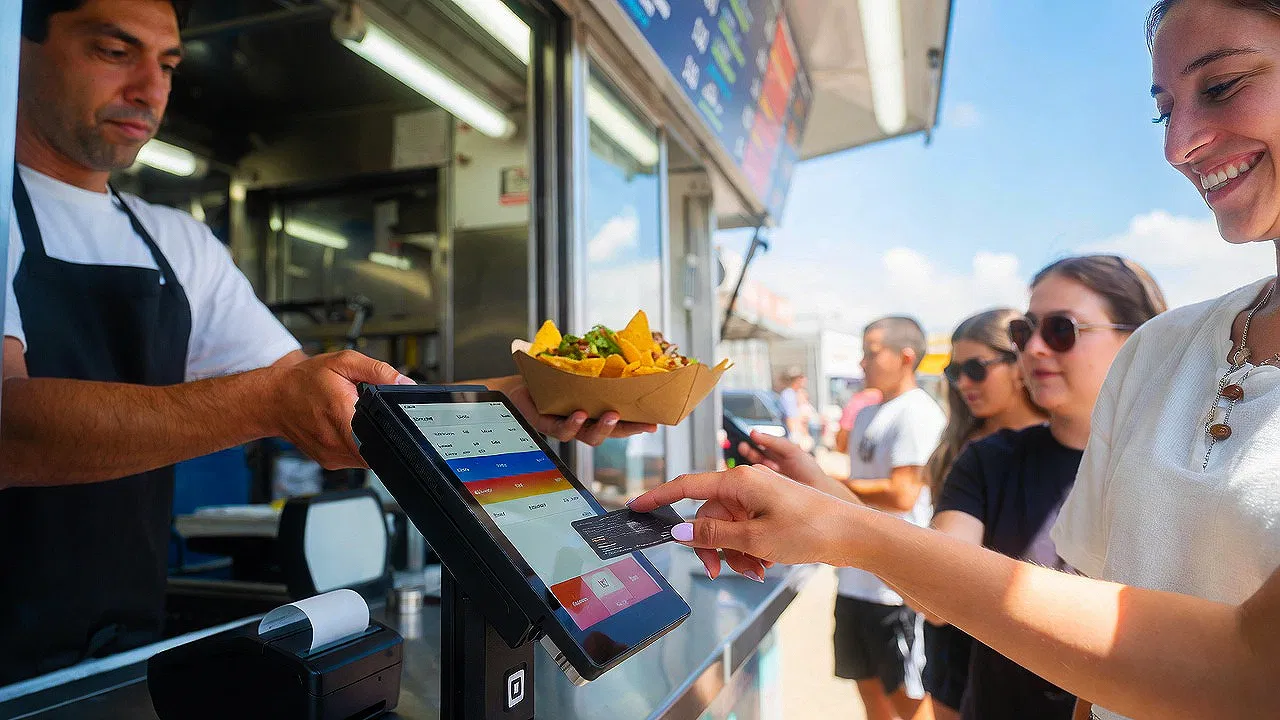


A guest reaches the counter expecting one price and hears another. The difference might be a premium topping, an unclear size, or a mandatory charge disclosed somewhere the guest never noticed. The cashier now has to explain the menu instead of simply taking the order. Fair menu price transparency prevents that conversation before it starts.
This is an illustrative problem, not a report about a named fair. It shows why menu design belongs in concessions planning. A price can be mathematically correct and still be communicated badly. The fair needs guests to understand what they are buying before the transaction becomes a disagreement.
As spring menus move toward production, focus on honest decision design: clear item descriptions, visible prices, understandable options, and consistent information across every display. No mystical sales psychology is required. A professional management process can reduce ambiguity without inventing claims that a particular color or price ending guarantees more sales.
Start with the guest’s actual decision
Ask what a first-time visitor needs to know to choose the item. That usually includes the product, portion or size, included components, available options, and applicable price information. Avoid descriptions that require knowledge of the vendor’s private shorthand.
Write the item as an understandable offer rather than a list of ingredients scattered across several panels. A guest should not have to combine the small print under one photograph with a price attached to another item.
Test the draft with someone who did not design it. Ask them to describe what they would receive and what they expect to pay. Their interpretation is useful evidence about clarity, not a scientific forecast of purchasing behavior.
Know the California pricing framework
California’s SB 478 established a general rule against advertising prices that omit mandatory charges, with specified exceptions, operative July 1, 2024. It concerns price presentation rather than setting the amount a business may charge.
The Attorney General’s hidden-fees guidance explains the general framework and the treatment of specified food businesses. Do not apply a short summary indiscriminately to food concessions, admission packages, delivery arrangements, and every other transaction at the grounds.
Have qualified counsel review the fair’s actual offer and the vendor’s applicable obligations. Menu planning should make the legal review easier by identifying the full charge structure, not hide complexity until the sign has already been printed.
The food-concession exception is not a secrecy exception
SB 1524, enacted June 29, 2024, provides a conditional exception for mandatory fees on individual food or beverage items sold directly by specified businesses, including food concessions. It requires clear and conspicuous disclosure with an explanation of the fee’s purpose wherever the item’s price appears.
That does not mean a fee can be hidden until payment. It also does not establish that every business arrangement in a food court qualifies. Review the exact statutory conditions and the actual transaction with counsel.
As of this April planning date, the enacted law also contains a disclosure-text provision scheduled for July 1, 2025. Have counsel incorporate applicable upcoming requirements into summer materials now, rather than relying on a menu approved under an earlier design.
Build fair menu price transparency into the price presentation
Even where a separate mandatory fee is legally permitted with the required disclosure, consider whether a simpler presentation would be easier for guests to understand. That is an operational recommendation, not a claim that the law always requires a single food-menu figure.
Distinguish mandatory charges from optional additions and government-imposed transaction taxes. Use the appropriate tax and legal advisers to determine the correct treatment. Calling a business charge a tax does not make it one.
Require the vendor to identify the intended presentation before artwork is approved. The fair should not discover a new fee when a guest brings a receipt to the office. An approved menu and an approved charging setup need to describe the same offer.

Make size comparisons meaningful
Small, regular, and large are useful only when the guest understands what changes. Identify relevant sizes or portions accurately, using consistent terminology. Do not use a display photograph that makes a smaller serving appear to be the larger option without clarification.
Place each price beside the item or option it belongs to. A cluster of numbers in a corner invites interpretation, particularly when the menu includes multiple sizes and premium versions. Clear alignment is a practical design choice, not a guaranteed sales technique.
Ask counter staff to explain the options using the same words as the menu. If employees routinely rename an item because the printed description is confusing, revise the description rather than allowing two separate vocabularies to develop.
Do not make add-ons a surprise
Identify what is included and what costs extra. A picture showing a premium topping can mislead if the displayed base price excludes it and the distinction is not clear. Review photographs, descriptions, and price labels together.
Use a consistent way to describe optional upgrades. The customer should actively choose the addition rather than learn afterward that a suggested component changed the total. Keep the service conversation aligned with the advertised offer.
Run a hypothetical order through the full process before opening: base item, one optional addition, applicable charges, and receipt. Compare what a guest could reasonably expect from the menu with what the system produces. Resolve discrepancies before guests become the testers.
Value claims need an honest basis
The FTC’s Guides Against Deceptive Pricing, in the 2024 federal compilation, address misleading former-price and bargain comparisons. A crossed-out price should not be invented merely to make a bundle look attractive.
If you advertise savings, keep a legitimate, current basis for the comparison and have the wording reviewed. Ensure the compared products and portions actually match. A bundle with different components is not automatically comparable to the larger individual items shown elsewhere.
Use straightforward language when a numeric savings claim is unnecessary. Describing exactly what a meal includes may communicate value more honestly than a dramatic discount badge. The fair does not need unsupported arithmetic to make an offer understandable.
Design for reading conditions, not an office screen
Review the menu at its intended distance and height, under actual daytime and nighttime lighting. Glare, shadow, decorative backgrounds, and competing lights can make a polished design difficult to read. Ask facilities and accessibility specialists to review relevant placement issues.
Justice Department effective-communication guidance explains ADA obligations within its scope. Plan appropriate ways to communicate with guests who cannot access a standard visual menu. A smaller duplicate sign is not necessarily an adequate answer.
Keep the essential offer readable without depending on color alone. Provide a practical staffed alternative where needed. Digital information can help, but a guest should not have to own a compatible phone just to learn the available options and prices.

Give menu changes a controlled path
Identify who may authorize a change and who updates each affected display. Include the counter menu, secondary window, printed handout, digital listing, and any fair-wide promotion. A change is incomplete when only one version has been corrected.
Record when a change becomes effective and confirm the charging setup matches it. Remove obsolete signs instead of covering a price with an ambiguous handwritten correction. The replacement should remain clear and comply with applicable disclosure requirements.
Brief staff before the change takes effect. They need to know the current offer and how to handle questions about earlier information. Do not put workers in the position of defending a price they have never seen on the approved menu.
Promotions need their own clarity check
A special available only during certain hours needs clear terms wherever it is promoted. Specify participating items and locations, applicable limits, and what the guest must do to receive the offer. Have legal advisers review material conditions and claims.
Coordinate fair-wide promotions with the actual vendors involved. An office announcement should not promise a concession item or price that the operator has not approved. Confirm the offer remains current before repeating it through another channel.
When a promotion ends, update every controlled display and the staff briefing. A faded sign left in place can keep creating an expectation after the official campaign has moved on. Assign removal to a named person, not to everybody in general.
Staff should resolve confusion without a confrontation
Give counter workers a process for pausing an unclear transaction and contacting a supervisor. They should be able to explain verified components and charges without improvising a legal justification. A guest asking about a price is not automatically making an unreasonable complaint.
Record recurring questions in a simple operational log. If several guests interpret the same menu differently from the vendor, inspect the wording and placement. Repeating the explanation more loudly is not a design correction.
Have the responsible manager establish appropriate adjustment or refund authority with the vendor and fair. Consistency matters, but so does the ability to address a genuine display error promptly. Preserve the facts needed to correct the problem.
Keep choice architecture honest
A menu can guide attention without manipulating the customer. Group comparable items, use a clear heading for optional additions, and give the basic offer enough prominence to be found. Do not design the least expensive option to disappear behind decorative panels or an unexplained abbreviation.
For a hypothetical example, imagine three bowl sizes with two topping choices. A clear layout shows the bowl sizes together and identifies which toppings are included or extra. A confusing layout scatters prices beneath photographs and leaves the guest to ask whether the pictured topping belongs to the base offer. The improvement is comprehension, not a claimed universal increase in spending. Keep that distinction explicit when presenting the proposed revision to the board.
Review the design with the vendor and guest-services team together. Each sees a different source of confusion, and neither should have to reverse-engineer the offer after printing.
Measure comprehension before claiming sales success
Compare questions, observed reading difficulties, and transaction discrepancies before and after a menu revision. Keep the observation specific and avoid claiming causation from a single busy period. Attendance, programming, location, and many other conditions can affect demand.
Do not sell the board a universal menu-psychology formula. A useful improvement might be that guests can distinguish sizes, recognize optional extras, and understand the offer without repeated clarification. Those are meaningful operating outcomes even without a dramatic revenue statistic.
Retain the approved menu versions and the reason for significant changes. The next design should build on actual communication lessons rather than repeat the same decorative choices because the original file is easy to find.
Talk to FairFirst Before Your Next Fair
A menu should help guests decide, not create a dispute at the counter. FairFirst can discuss a concessions coordination process that connects approved offers, clear displays, vendor communication, and consistent guest-facing information.
Schedule a FairFirst consultation to make your food-court offers clearer and easier to manage.
Fix the menu confusion before your cashiers have to explain it all day.
Sources
- SB 478: Advertised Prices — California Legislature, 2023
- SB 1524: Food-Service Price Disclosures — California Legislature, June 2024
- Hidden Fees: SB 478 and SB 1524 — California Attorney General, 2024 framework
- Guides Against Deceptive Pricing, 16 CFR Part 233 — FTC/GovInfo, 2024 edition
- Effective Communication — US Department of Justice, 2020


