


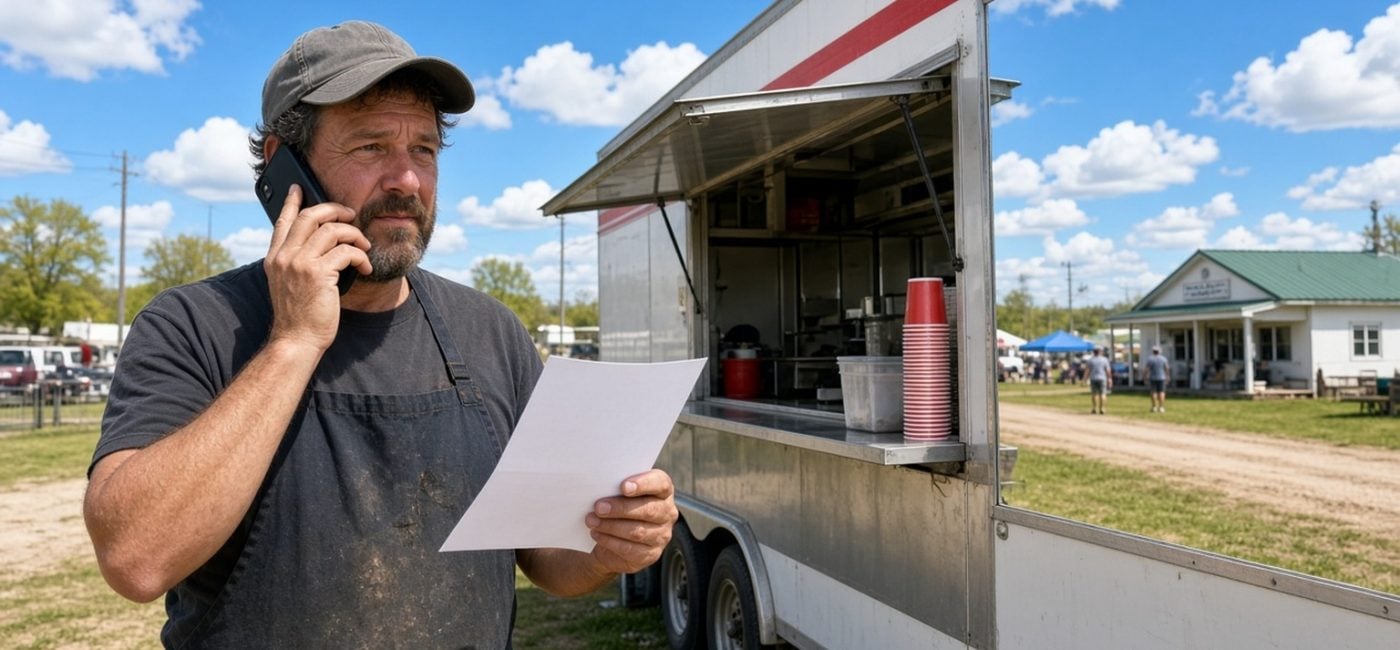
A vendor receives a convincing message about a newly available fair space. The logo looks familiar, the deadline is urgent, and the payment instructions seem plausible. The message did not come from the fair. By the time the real office hears about it, the operator may have paid someone else and purchased stock for a booking that never existed. Fair vendor application scams work best when nobody knows what a real approval looks like.
Fair boards cannot prevent every impersonation, but they can make their own process harder to imitate and easier to verify. The application, approval, invoice, and payment trail should tell one consistent story. August operations and renewal discussions are a good time to close gaps before another busy cycle increases the pressure to act quickly.
Publish one authoritative route into the program
Give prospective vendors a clear starting point on the fair's official site. Identify the application process, responsible department, expected approval steps, and a contact method that can be independently verified. Avoid making a social-media comment or an individual's personal account the only source of booking information.
The Federal Trade Commission's small-business scam guide describes impersonation, fake invoices, and pressure tactics. Its practical message applies here: staff need clear procedures for verifying invoices and payments, and unexpected urgency should not replace checking. A recognizable logo or familiar name does not establish authority.
Keep the official information current. Old application forms, outdated staff names, and conflicting payment instructions give a convincing impersonator material to reuse. An archive can remain available when needed, but it should not look like the current application window to someone searching quickly on a phone.
Explain what a real approval looks like
A vendor should know the difference between submitting an application, being placed on a waiting list, receiving conditional approval, and holding a confirmed agreement. If those stages are vague, a scammer can sell a false booking using language the fair itself has never defined.
Provide a consistent confirmation record with the relevant event, dates, approved operation, responsible contact, and next steps. Do not expose unnecessary internal identifiers or personal information. The purpose is a dependable process, not a complicated document that vendors cannot interpret without calling three departments.
Explain that unsolicited claims about guaranteed spaces or special access should be verified through the official channel. Make verification easy and courteous. A vendor who is embarrassed or repeatedly redirected may stop asking questions just when a questionable request most needs a second look.
Separate payment details from an email's authority
Email is useful for communication but should not be the sole authority for a material change in where money goes. A message can imitate a staff member, use a lookalike domain, or arrive from a compromised account. The safest operational question is not whether it sounds convincing but whether the change has been independently verified.
CISA's phishing guidance explains how messages can be used to obtain sensitive information or prompt harmful actions. Train staff and vendors to examine the request and use known channels rather than follow an unexpected link. A familiar display name is not a substitute for a verified process.
Have finance and operations agree on how payment changes are authenticated. Use a previously established contact route, not a phone number supplied only in the questionable message. Record the verification and approval according to the organization's controls before changing instructions or releasing a payment.
Protect the accounts behind the process
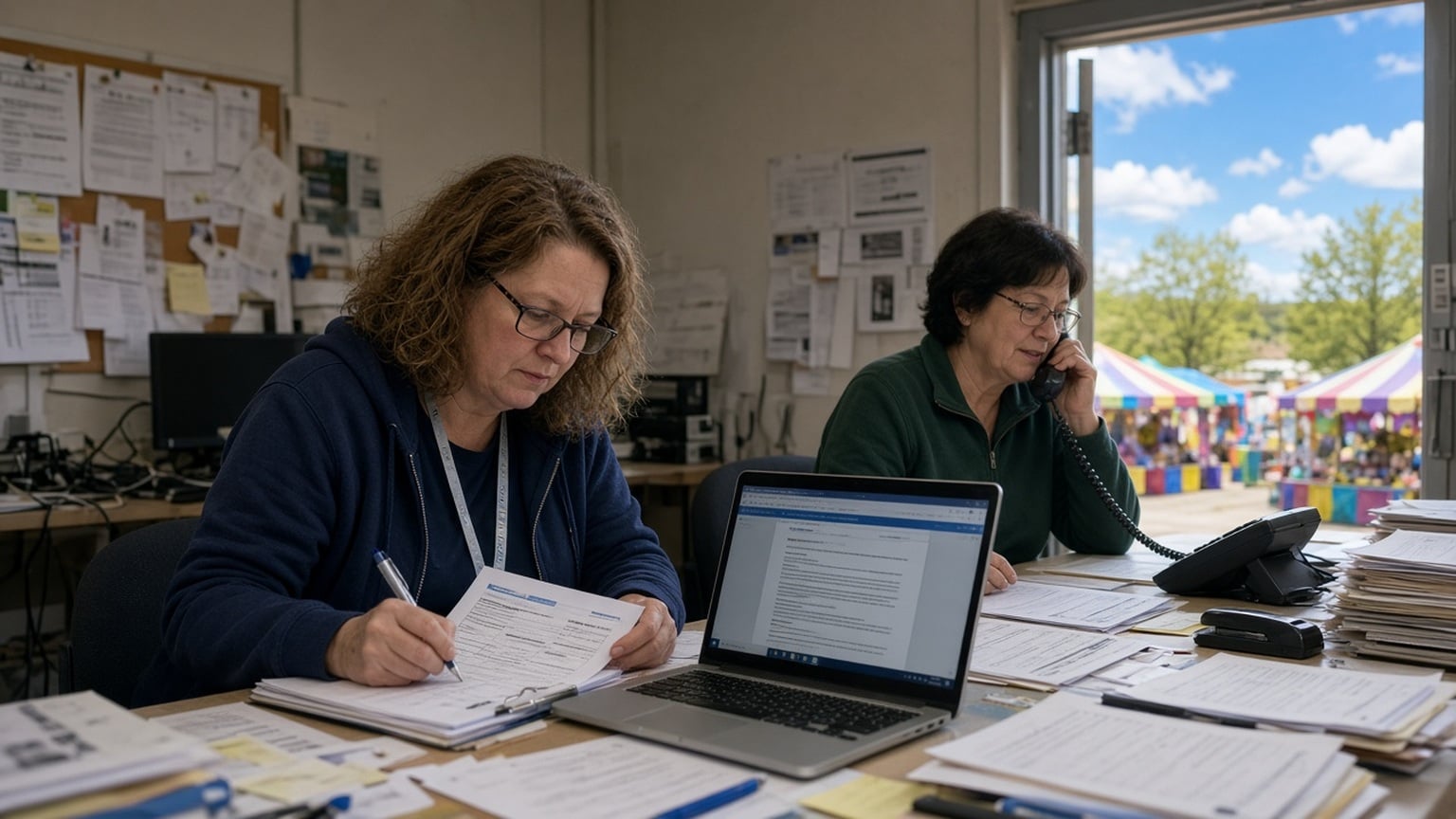
A clean public application page cannot compensate for an unprotected mailbox used to send invoices and agreements. Review access to vendor records, website forms, shared files, and finance systems. Remove former staff access promptly and limit permissions to what current roles require.
CISA recommends multifactor authentication to add protection beyond a password. Use appropriate account security with qualified IT support, including stronger options where available. Do not share a single login across a rotating group simply because it seems convenient during the event.
Plan for recovery as well. Identify who can respond if the primary account owner is unavailable or an account is suspected of compromise. Recovery methods and administrator access should be managed securely, not written into a public-facing vendor guide. Operational continuity should not expose the keys to the system.
Give frontline staff a short verification script
The person answering the fair's phone may be the first to hear about impersonation. Provide a practical script: identify the event and request, check the approved vendor process, and direct the caller to the responsible office. Do not ask the caller to forward passwords, complete card numbers, or sensitive account credentials.
Staff should know what they can confirm and when to escalate. They may be able to verify the official application route without confirming private details about another applicant. A documented process avoids either extreme: casually validating an unfamiliar invoice or refusing to help someone check an obvious warning sign.
Keep the response calm. A vendor who has already paid may be upset or embarrassed. Do not blame the caller or promise recovery. Preserve the information needed for the fair's response and direct them to appropriate financial institutions, reporting channels, or law enforcement as the situation requires.
Watch for fake urgency during real deadlines
A real application deadline creates an attractive backdrop for a false demand. Messages about the last space, an immediate permit fee, or a threatened cancellation can sound plausible when the fair is genuinely processing applications. Tell vendors in advance how legitimate deadlines and payment requests are communicated.
Avoid training people to ignore all urgent messages. Instead, give them a reliable way to verify one quickly. A known office number, a secure established system, or another reviewed process can help distinguish the real requirement from an imitation without delaying legitimate business unnecessarily.
Use the same discipline internally. A message apparently from leadership should not bypass purchasing or payment controls because everyone is busy. The FTC guide emphasizes training staff to recognize pressure and verify. The fair's actual behavior should reinforce that instruction rather than reward shortcuts by senior people.
Make the invoice trail match the agreement
An invoice should connect to an identifiable authorized commitment. Finance needs to know what was approved, who approved it, and whether the requested payment matches the agreement. Operations needs to know whether the vendor actually has a confirmed space and any outstanding conditions.
The SBA's business-planning guidance emphasizes connecting organizational responsibilities and financial planning. Applied here, that means the booking process should not stop at vendor selection while finance invents a separate approval trail. Clear ownership reduces the uncertainty a false invoice can exploit.
Do not solve the problem by circulating sensitive documents to everyone. Establish an appropriately controlled record that the relevant staff can access. A concise status field and a known owner may answer most routine questions without exposing bank information, personal identifiers, or confidential commercial details.
Respond as if the confusion may be wider
When one vendor reports a suspicious message, ask whether the same impersonation could affect others. Coordinate the response among operations, communications, finance, and IT as appropriate. Preserve the relevant evidence through the established process rather than deleting everything immediately and losing the trail.
If money has moved, the affected party should contact its financial institution promptly and follow appropriate fraud-reporting guidance. The fair should not guarantee that a transfer can be reversed or act as an informal investigator into private accounts. Qualified responders and institutions have roles that an event office does not.
Use a verified official channel for any necessary warning. Explain the authentic process and the action recipients should take, without republishing malicious links or unnecessary personal information. A warning should help people verify and report, not accidentally distribute the fraudulent instructions more widely.
Include scams in continuity planning
A compromised account or false payment campaign can disrupt operations even if the financial loss is limited. Vendors may not know whom to trust, staff may stop processing legitimate applications, and the fair may need to verify a backlog of records. Plan how essential work continues during that uncertainty.
The SBA's emergency-preparedness guidance supports establishing continuity arrangements and response responsibilities before disruption. For vendor administration, identify a secure alternate contact method, who can authorize temporary changes, and how records will be reconciled afterward. Avoid ad hoc workarounds that remove the controls being restored.
Test the plan with an explicitly hypothetical message asking for a changed payment destination. Can staff identify the independent verification route? Can they distinguish a booking confirmation from an application receipt? Can they report the message without forwarding sensitive information to a large group? Those answers are more useful than a general warning to be careful.
Make trust verifiable
The fair should be welcoming to legitimate vendors without asking them to rely on personal familiarity alone. A small operator applying for the first time deserves the same clear process as a returning concessionaire. Consistent information also protects the staff who would otherwise be expected to recognize every applicant and every invoice by memory.
Review the process after staff changes, website updates, or a new payment system. What was authoritative last season may no longer be correct. Put an owner on the public application instructions and the internal approval controls so neither becomes an abandoned document.
A dependable vendor program makes the authentic route obvious and the verification step normal. That will not eliminate fraud, but it can reduce confusion and make suspicious requests easier to challenge before they become a financial and operational problem for the fair community.
# Design payment verification for busy days
A control that requires one unavailable person can encourage staff to bypass it. Establish an approved backup and a clear way to pause a request while verification is completed. The absence of the usual finance lead should not convert an unverified email into authority to change payment instructions.
Use a simple exception record showing who raised the issue, which established contact route was used, who approved the result, and where the supporting information is stored. Keep sensitive financial details in the appropriate controlled system rather than copying them into a broadly shared operations log.
Review the process with returning vendors as well as new applicants. Familiarity can make a changed request seem less suspicious, especially when it appears to follow a genuine conversation. Encourage independent verification without making it sound like an accusation against the vendor or employee.
A practical process protects legitimate deadlines too. Staff can complete the check and proceed confidently rather than leave every unusual request unresolved. The aim is a reliable decision path, not a blanket refusal to communicate or an informal promise that the fair will recognize every fake.
Close the gaps fair vendor application scams exploit
Schedule a consultation with FairFirst to review the concession application, approval, and communication process. We can help identify where unclear ownership or inconsistent instructions create unnecessary risk.
Financial controls and technical security should be reviewed by the appropriate specialists. The operating process needs to support their work, not undermine it during a deadline. Talk with FairFirst before your next vendor cycle opens.
Sources
- Scams and Your Small Business: A Guide for Business — Federal Trade Commission, 2023
- Recognize and Report Phishing — Cybersecurity and Infrastructure Security Agency
- Turn On Multifactor Authentication — Cybersecurity and Infrastructure Security Agency
- Prepare for Emergencies — U.S. Small Business Administration
- Write Your Business Plan — U.S. Small Business Administration


