


In the ever-evolving landscape of event management, a new trend is taking center stage in 2024: micro-events. As venue managers, we’re witnessing a significant shift in how people gather, celebrate, and conduct business. The era of massive conventions and sprawling festivals isn’t over, but it’s certainly sharing the spotlight with a more intimate counterpart. This blog post delves into the world of micro-events, exploring why they’re gaining popularity, how traditional venues can adapt to accommodate them, and the unique opportunities they present for both event organizers and attendees. Industry groups such as the Events Industry Council offer resources for planners and venues adapting to this shift.
What are Micro-Events?
Micro-events are small-scale gatherings typically hosting between 10 to 100 attendees. These events prioritize quality interactions, personalized experiences, and focused content over large crowds and broad appeal. They can range from corporate strategy sessions and product launches to intimate weddings and niche hobby meetups. The key characteristic of a micro-event is its emphasis on creating a tailored, immersive experience for a select group of participants.
The Driving Forces Behind the Micro-Event Trend
- Post-Pandemic Caution: While large gatherings have resumed, many people still prefer smaller, more controlled environments.
- Quality Over Quantity: Attendees and organizers alike are prioritizing meaningful connections and experiences.
- Sustainability Concerns: Smaller events often have a reduced environmental impact.
- Technological Advancements: Improved virtual components allow for hybrid events, expanding reach without increasing physical attendance.
- Personalization: Smaller groups enable more customized, attendee-specific content and experiences.
Adapting Traditional Spaces for Micro-Events
As venue managers, the rise of micro-events presents both challenges and opportunities. Here’s how we can adapt our spaces to cater to this growing trend:
- Flexible Spaces:
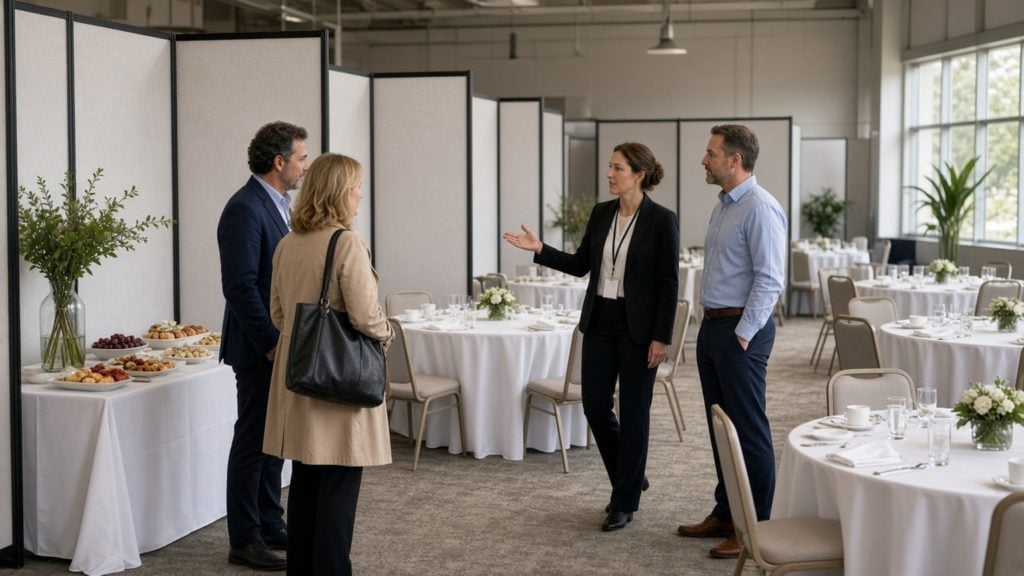
Create modular environments that can be easily reconfigured for different group sizes. Invest in movable partitions, adjustable lighting, and versatile furniture. This flexibility allows you to transform a large ballroom into several intimate settings or open up smaller rooms for a more spacious feel. - Technology Integration:
Upgrade your venue’s technological infrastructure to support hybrid events. This includes high-speed internet, state-of-the-art audiovisual equipment, and interactive displays. Consider installing 360-degree cameras and sound systems that can capture the essence of the micro-event for virtual attendees. - Intimate Atmospheres:
Design cozy, welcoming spaces within your venue. This might involve creating lounge areas, breakout rooms, or even outdoor spaces like rooftop gardens or courtyards. The goal is to facilitate close interactions and conversations. - Customization Options:
Offer a range of customization options to event organizers. This could include adjustable mood lighting, personalized signage, or the ability to brand smaller spaces effectively. The more tailored the space feels, the more successful the micro-event will be. - Catering for Small Groups:
Develop relationships with local caterers who specialize in small-batch, high-quality offerings. Consider installing small kitchens or food prep areas near micro-event spaces to facilitate fresh, personalized dining experiences.
Benefits of Micro-Events for Venues:
While adapting to micro-events requires some investment, the benefits for venues are substantial:
- Increased Booking Frequency:
With the ability to host multiple small events simultaneously, venues can increase their overall booking frequency and revenue. - Diverse Client Base:
Micro-events attract a wide range of clients, from startups and small businesses to luxury brands and niche interest groups, broadening your venue’s appeal. - Off-Peak Utilization:
Smaller events are often more flexible with their timing, allowing venues to fill traditionally off-peak hours and days. - Reduced Wear and Tear:
Smaller gatherings generally result in less wear and tear on facilities compared to large-scale events. - Enhanced Reputation:
Successfully hosting intimate, high-quality events can boost a venue’s reputation and lead to positive word-of-mouth marketing.
Strategies for Marketing Micro-Event Spaces
To capitalize on the micro-event trend, venues need to adjust their marketing strategies:
- Highlight Flexibility: Showcase your venue’s ability to transform and accommodate various event sizes and styles.
- Emphasize Intimacy: Use visual marketing to demonstrate how your space can create cozy, personal atmospheres.
- Showcase Technology: Promote your venue’s technological capabilities, especially for hybrid events.
- Target Niche Markets: Develop marketing campaigns aimed at specific industries or interest groups that frequently host micro-events.
- Offer Packages: Create all-inclusive micro-event packages that simplify the planning process for organizers.
Case Studies: Successful Micro-Events
To illustrate the potential of micro-events, let’s look at a few successful examples:
- Tech Startup Product Launch:
A software company used our venue’s sleek conference room and adjacent outdoor terrace to host a 50-person product launch. The intimate setting allowed for hands-on product demonstrations and one-on-one interactions with key clients and media. - Culinary Masterclass:
A renowned chef utilized our small-scale kitchen and dining area to conduct a series of 20-person cooking classes. The limited group size ensured each participant received personal attention and a truly immersive experience. - Corporate Strategy Retreat:
A multinational corporation booked our secluded meeting spaces for a 3-day strategy retreat with their top 30 executives. The private setting and customized amenities facilitated focused discussions and team-building activities.
Challenges and Considerations
While micro-events offer numerous advantages, there are challenges to consider:
- Revenue Per Event:
Smaller events may generate less revenue individually, requiring a shift in pricing strategies. - Staffing:
Managing multiple simultaneous micro-events may require more staff or different staffing structures. - Marketing Efforts:
Attracting a steady stream of micro-events may require more intensive and targeted marketing efforts. - Balancing Act:
Venues need to strike a balance between catering to micro-events and maintaining capacity for larger gatherings.
The Future of Micro-Events
As we look ahead, the micro-event trend shows no signs of slowing down. In fact, we anticipate further evolution in this space:
- AI-Driven Personalization:
Artificial intelligence will play a larger role in customizing micro-events, from suggesting optimal room layouts to personalizing attendee experiences. - Sustainability Focus:
Eco-friendly practices will become even more critical, with micro-events leading the way in sustainable gathering practices. - Virtual Reality Integration:
As VR technology improves, we may see more events incorporating virtual elements, allowing for even smaller physical gatherings with a broader virtual audience. - Niche Specialization:
Venues may start to specialize in specific types of micro-events, becoming go-to locations for particular industries or event styles.
Conclusions
The rise of micro-events represents a significant shift in the event management landscape. For venue managers, this trend offers exciting opportunities to diversify our offerings, attract new clients, and create truly memorable experiences. By adapting our spaces, embracing technology, and focusing on personalization, we can position our venues at the forefront of this growing movement.
As we navigate this new era of gatherings, the key to success lies in our ability to remain flexible, innovative, and attuned to the changing needs of event organizers and attendees. The intimate nature of micro-events allows us to showcase the best of what our venues have to offer, creating spaces where connections are forged, ideas are born, and unforgettable moments are created.
In embracing the micro-event trend, we’re not just adapting to a new market demand – we’re participating in reshaping the very nature of how people come together in 2024 and beyond. It’s an exciting time to be in venue management, and the future of micro-events promises to be as dynamic and engaging as the gatherings themselves.
Micro-Events on the Fairgrounds: A Practical Guide for Fair Boards
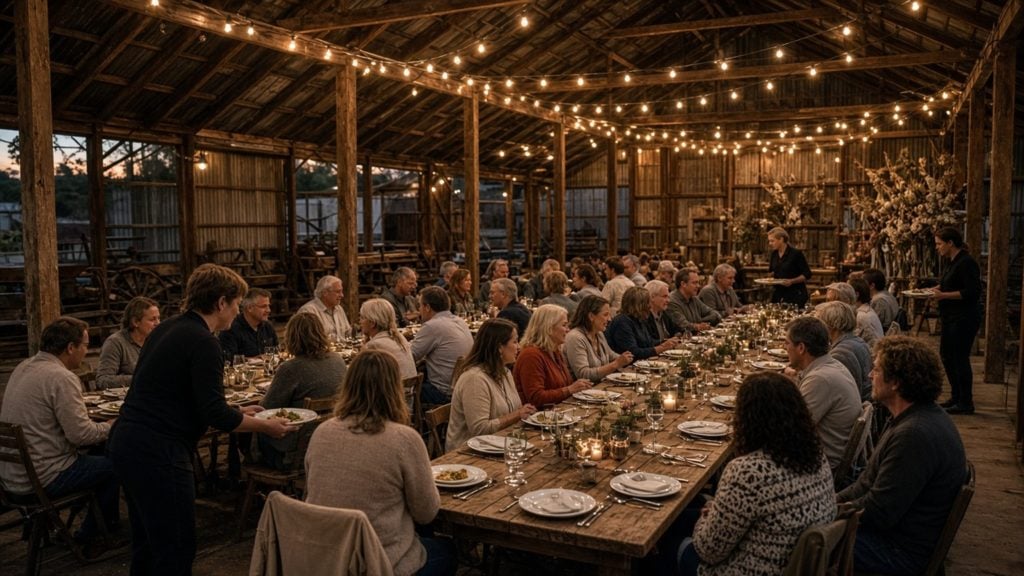
Fairgrounds have something most hotels and conference centers do not: buildings, barns, lawns, and kitchens that sit quiet for much of the year. Micro-events are one of the most practical ways to put that space to work between fair seasons. A 40-person retirement lunch in an exhibit hall corner, a 4-H awards dinner, a small farm-to-table supper on the lawn, or a weekday training session for a local business can all bring in rental income without the cost and complexity of a large interim event.
For California fairs, the Department of Food and Agriculture’s Fairs and Expositions branch keeps a page on fairground rentals, a useful reminder that interim use is a normal part of how fairgrounds serve their communities. The steps below help a fair board turn that idea into a repeatable program.
Start With an Honest Space Inventory
List every space that could host 10 to 100 guests, the range most micro-events fall into. Note the square footage, restrooms, parking, power, lighting, heating and cooling, and how close each space is to a kitchen. Be candid about what each room looks like today. A livestock barn may be perfect for a rustic dinner in October and unusable in August. Our article on fairground kitchen rental feasibility walks through how to judge whether your food facilities can support year-round bookings.
Make Every Space Accessible
Small events still have to welcome every guest. The Department of Justice’s ADA Title III primer explains the obligations of businesses and facilities open to the public, and the 2010 ADA Standards for Accessible Design cover routes, entrances, and restrooms. Check the path from parking to the room, not just the room itself. Our guide to accessible fair concessions has practical fixes that apply to small events as well.
Plan the Food Before You Sell the Room
Food is often the reason a micro-event books one venue over another, and it is also where permits come in. Decide whether you will offer an in-house menu, an approved caterer list, or both. Caterers and temporary food operators need the right permits from the local environmental health agency. In Alameda County, for example, the community events and temporary food facilities program explains the permit process. If guests want beer or wine, confirm the right license type through the Department of Alcoholic Beverage Control’s license types page before you promise a bar.
Price for Small Groups, Not Small Revenue
The original article noted that smaller events may bring less revenue individually. The answer is usually packaging, not discounting. Build simple packages that bundle the room, tables and chairs, basic audio, cleaning, and a food minimum. Set a clear minimum spend, a deposit, and a cancellation policy. Track your real cost per event, including staff time for setup and cleanup, so you know which packages actually make money. The U.S. Small Business Administration’s guide to writing a business plan is a helpful framework for testing those numbers.
Staff for Several Small Events at Once
Hosting multiple micro-events on the same day can lift booking frequency, but it also spreads staff thin. Assign one event lead per booking, even if that person covers two small rooms. Give each lead a one-page run sheet with arrival times, the menu, emergency contacts, and who to call for help. Keep a short checklist for setup and closing so every room is reset the same way. After each event, ask the client two or three quick questions about the space, the food, and the staff, and use the answers to improve the next booking.
Market Micro-Events Where Locals Look
Micro-event clients are usually local: businesses, families, clubs, nonprofits, and schools. Show real photos of each space set for a small group, update them each season so clients see the rooms as they look today, publish clear capacity numbers, and list the packages with starting prices. Partner with local chambers, ag organizations, and community groups who already plan gatherings. Peer organizations such as the Western Fairs Association and the International Association of Venue Managers are good places to compare notes on interim-use programs. Our article on fair food court sponsorship also offers ideas for sharing costs with local partners.
A Quick Checklist for Launching Micro-Events
- Inventory: List spaces, capacities, utilities, and seasonal limits.
- Access: Check routes, entrances, and restrooms for accessibility.
- Food: Decide on in-house or approved caterers, and confirm permits and alcohol licensing.
- Pricing: Build packages with minimums, deposits, and cancellation terms.
- People: Assign an event lead and a run sheet for every booking.
- Marketing: Use real photos, clear capacities, and local partners.
Micro-events can keep a fairground busy, useful, and visible all year. If your fair board wants help building a food and beverage program for small events, or wants to know whether your kitchens and buildings are ready for year-round bookings, schedule a consultation with FairFirst.


