Editors Note: This article originally appeared on July 1st, 2011.
Pleasanton, CA – This is the story of the quarter-ton hamburger. Ever had that moment when you’re grilling burgers for a family BBQ and someone jokes, “Hey, why not make it bigger?” Well, our president Nick Nicora had that same thought – except he wasn’t joking. And that’s how we ended up creating a hamburger that weighs more than some professional wrestlers.
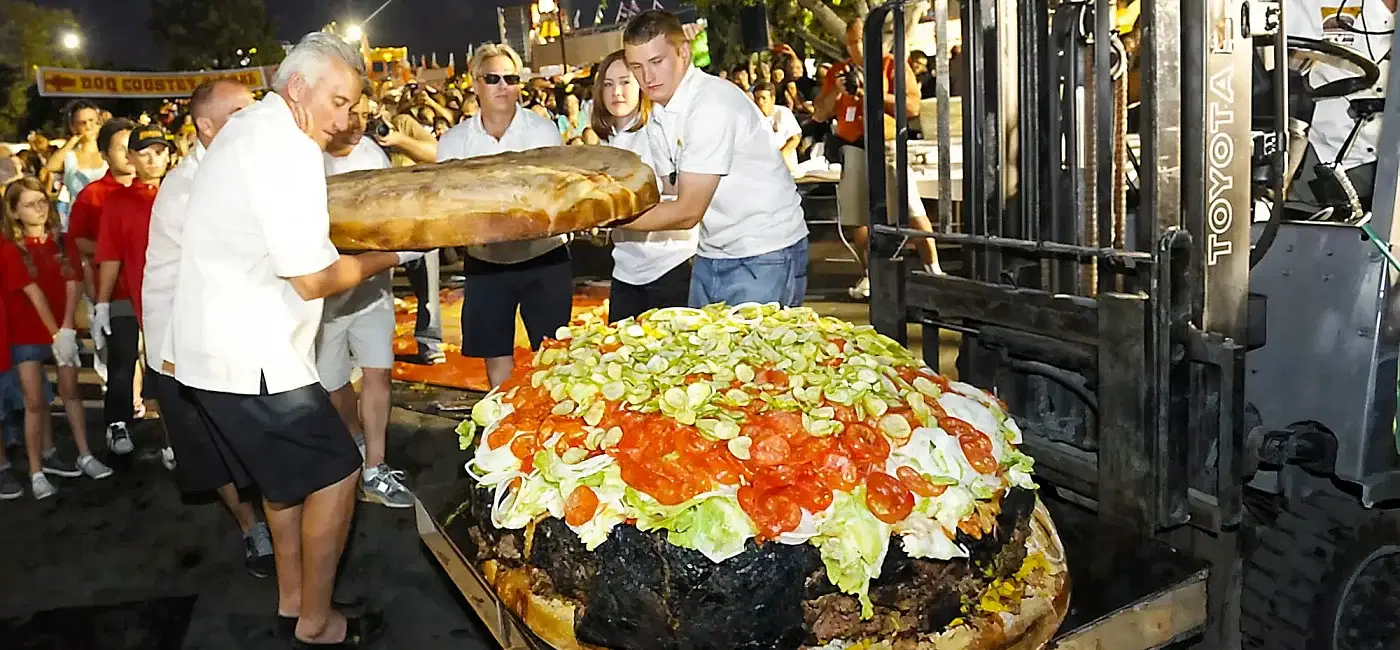
Let me paint you a picture: imagine a burger that tips the scales at 777 pounds. Yes, you read that right. That’s not a typo, and I haven’t been sampling too much of our cooking wine. We’re talking about a burger so massive it needed a forklift to move it. If that’s not American ingenuity at its finest, I don’t know what is.
“The old record was held in Canada,” Nick explained, with what I can only describe as a glint of patriotic mischief in his eye. “We wanted to bring it home to America on the 4th of July.” Because nothing says “independence” quite like showing up the neighbors with a burger that could feed a small army.
How the Quarter-Ton Hamburger Was Built
Breaking this record wasn’t just a matter of throwing some meat on the grill. Our team, alongside Brett Enright from Juicy’s Traveling Barbecue, spent a grueling 15 hours cooking this behemoth. The ingredient list reads like a small grocery store’s inventory:
– A 110-pound bun (that’s heavier than my nephew) – 50 pounds of cheese (enough to make a Wisconsin dairy farmer proud) – 30 pounds of lettuce (finally, a way to get teenagers to eat their greens) – 20 pounds of onions (sorry, kissing booth operators) – 12 pounds of pickles (because even record-breaking burgers need their vegetables)
For the calorie counters out there (bless your hearts), this beauty clocks in at 1,375,000 calories. That’s enough to feed one person for almost two years, though we strongly advise against trying that diet plan.
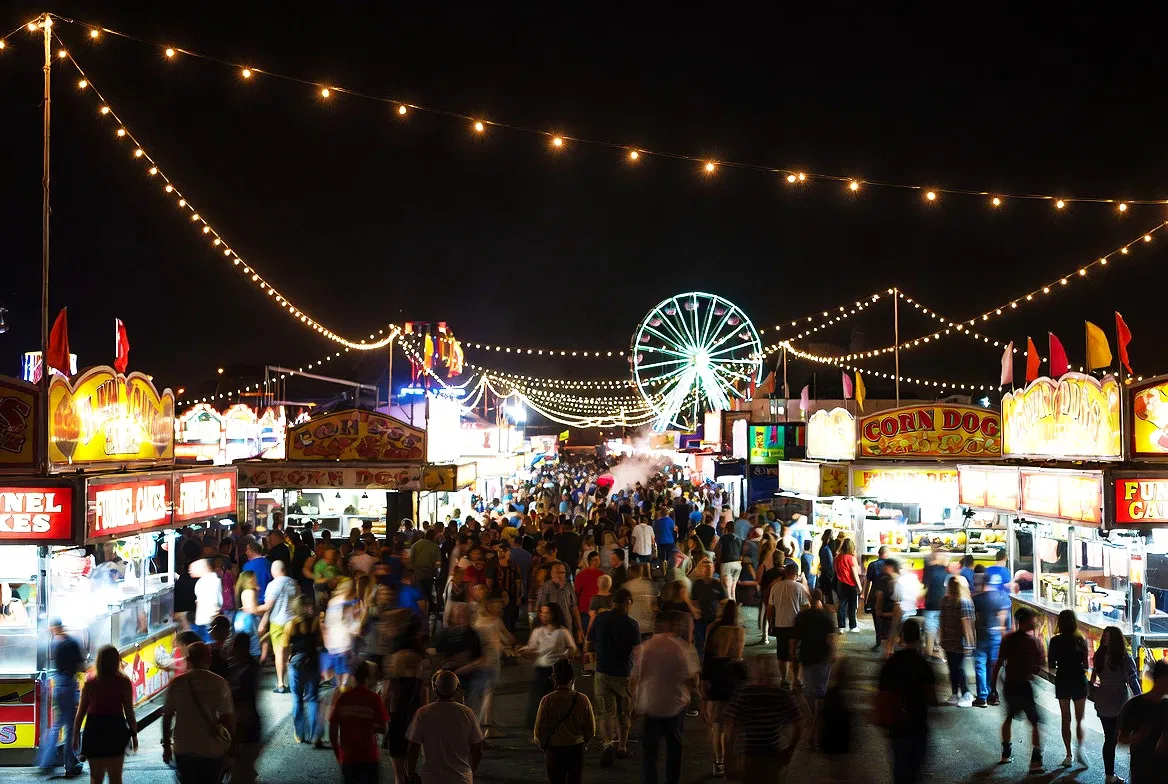
But here’s the best part – this wasn’t just about breaking records. We sold pieces of this monumental achievement for 99 cents at the Alameda County Fair, with proceeds going to the Alameda County Food Bank. Because when you make history, you might as well make a difference too.
And for those of you thinking, “I need this at my next family reunion,” you’re in luck. The burger is now available for purchase through Juicy’s Outlaw Grill for a mere $5,000. Just remember to order 48 hours in advance – Rome wasn’t built in a day, and neither is a quarter-ton burger.
So there you have it, folks. FairFirst didn’t just break a world record; we brought it home to America where it belongs. And while we can’t guarantee this burger will solve world peace, we can promise one thing: it definitely won’t fit in your average drive-thru bag.
What the Quarter-Ton Hamburger Teaches Fair Food Operators
The quarter-ton hamburger was a fun day for the crew and a memorable one for guests. It was also a working example of what it takes to pull off a large, unusual food attraction at a fair. Behind the 777-pound headline sat the same questions every concession manager faces: Is the food safe? Can we move it without hurting anyone? Do we have enough people for the hours? Is the money handled cleanly? Fair boards and operators planning a signature item can use those questions as a planning guide.
Big Food Is Still Food Safety
A record burger is not exempt from the rules that govern a regular patty. The FDA Food Code sets the model cooking and holding standards that states build on, and the California Department of Public Health’s Retail Food Program explains how the California Retail Food Code is applied through local agencies. For an oversized item, the hard part is proving that the center reached a safe temperature. Plan for calibrated probe thermometers, multiple temperature checks in different spots, and a written log.
Talk to the local health department long before the event. In Alameda County, the community events and temporary food facilities program handles permits for booths at events, and its requirements cover equipment, handwashing, and food storage. Inspectors are much more helpful when they see the plan early than when they discover a 110-pound bun on opening morning. Our guide to fair concession food safety covers the controls that apply to every booth.

Moving Heavy Food Safely
A burger heavy enough to need a forklift brings workplace safety into the food plan. Cal/OSHA’s rule on powered industrial truck operator training requires employers to make sure each forklift operator is competent to run the truck safely, and federal OSHA keeps a resource page on powered industrial trucks. Use a trained, certified operator, mark out a clear path, and keep guests well back while the load is moving.
Think about the surface, too. A food-safe pallet or platform, clean wrapping, and a plan for how the item will be cut and plated all matter. Every extra lift or transfer is another chance for contamination or injury, so design the process to move the food as few times as possible.
Long Cooks Mean Long Shifts
The team spent 15 hours cooking the quarter-ton hamburger. A cook that long needs a staffing plan that rotates people through the heat, gives everyone real breaks, and keeps fresh eyes on temperature checks. Cal/OSHA’s heat illness prevention guidance calls for water, shade, rest, and training for outdoor workers. The Labor Commissioner explains California’s meal period and rest period rules, and its overtime guidance helps managers budget for long days. Our article on county fair concession burnout has more on keeping crews healthy over a long run.
Charity Tie-Ins Need Clear Terms
Selling pieces of the burger for 99 cents, with proceeds going to the Alameda County Community Food Bank, gave the record a purpose beyond the photo. Charity tie-ins work best when everyone agrees on the details in writing before the event. Define what “proceeds” means, how cash and card sales will be counted, who reconciles the totals, and when the donation will be delivered.
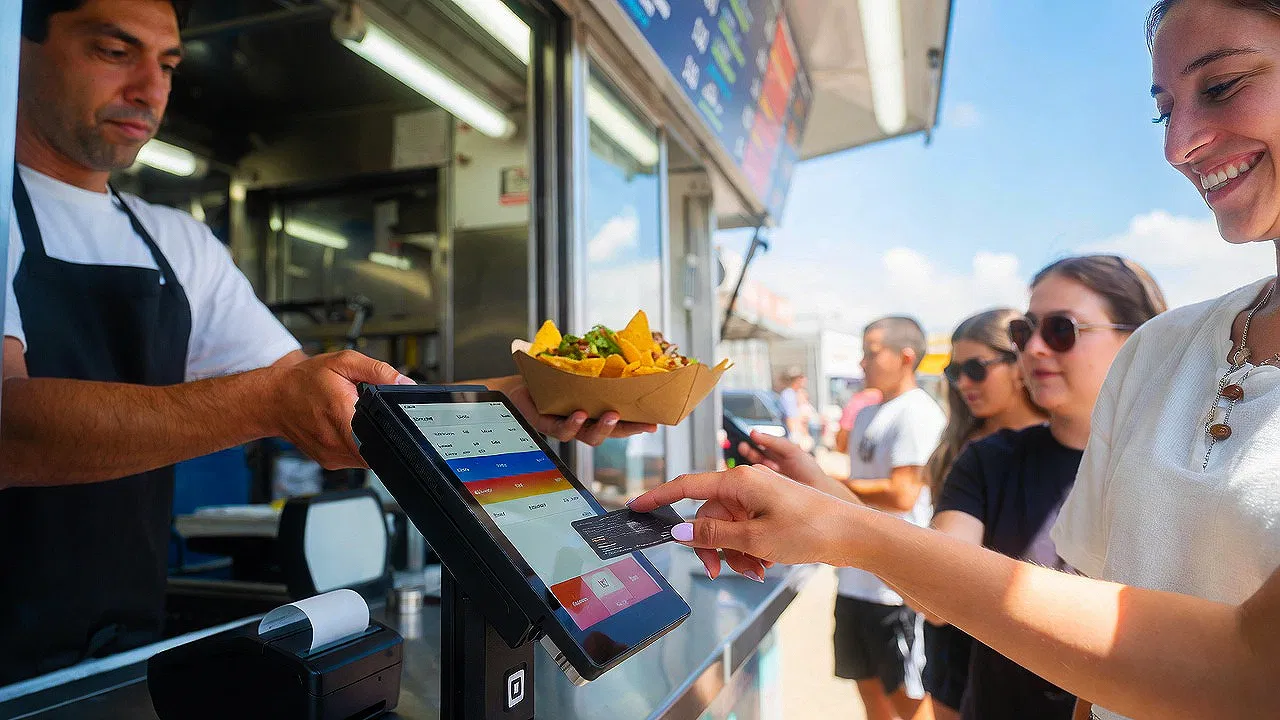
Sales at events still carry tax and recordkeeping duties. The California Department of Tax and Fee Administration has guidance for temporary sellers at events, and the IRS explains recordkeeping basics for businesses. Keep the charity sales on a separate register key or POS item so the numbers are easy to prove later. Our guide to fair cash controls covers counting and reconciliation steps.

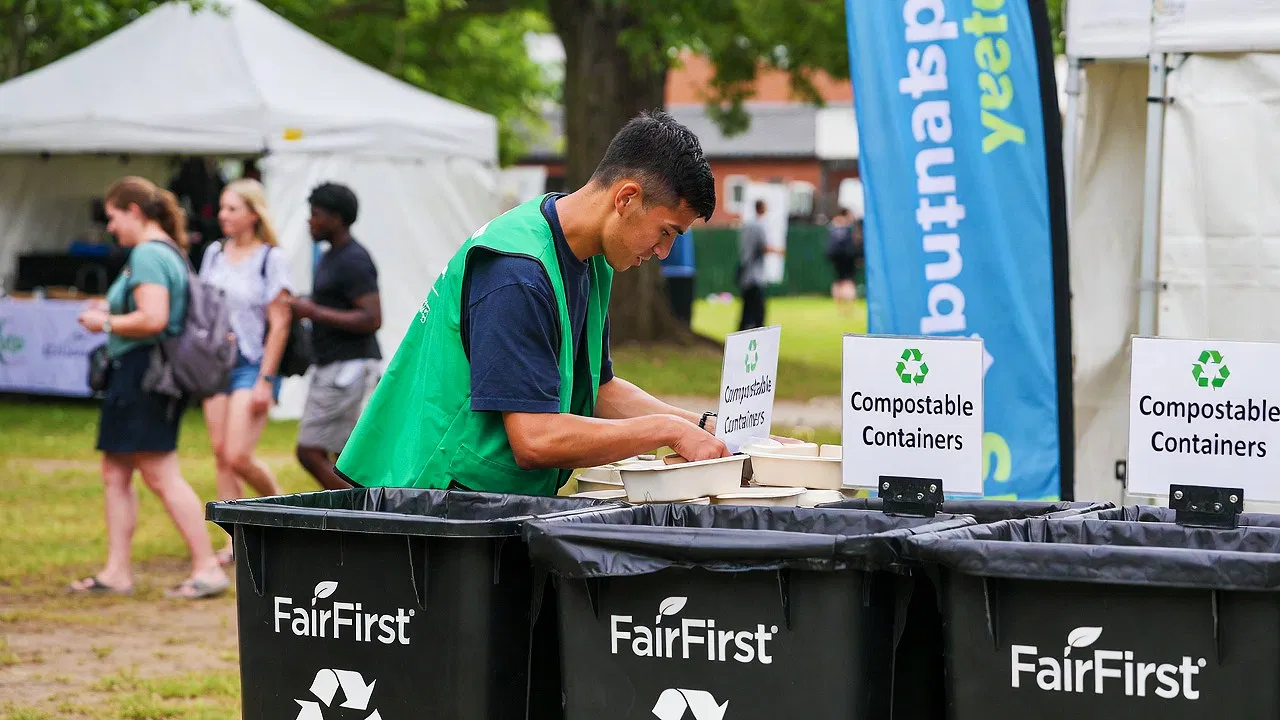
Plan for leftovers as well. If edible food remains, California’s food recovery rules may apply to some organizations, and CalRecycle’s edible food recovery FAQ is a good starting point. A food recovery partner can only accept food that has been held safely, so build that into the temperature plan. Our article on fair edible food recovery explains how to set up a safe handoff.
Price, Portion, and Pace
Pricing a novelty item is part marketing and part math. A 99-cent piece of the quarter-ton hamburger was easy to say yes to, which kept the line moving and the donations growing. Before you set a price, decide what the item is for. Is it a fundraiser, a loss leader that drives traffic to nearby booths, or a profit center? Each answer leads to a different portion size, price, and staffing plan.
Portioning a giant item also takes planning. Decide in advance how the burger will be cut, how big each serving will be, and how quickly the crew can plate and hand out portions. Hot food has to stay hot while it waits, so the cutting and serving pace has to match the line. Keep extra gloves, utensils, and serving containers on hand, and give one person the job of watching temperatures while everyone else serves. Our guide to fair menu price transparency covers how to post prices clearly so guests know what they are paying before they reach the window.
Verify the Record the Right Way
If the goal is an official record, the record keeper’s rules come first. Guinness World Records says accepted applicants receive official guidelines and next steps, and those guidelines can affect the recipe, the weighing method, and the evidence you need to collect. Assign one person to own the paperwork, witnesses, photos, and video so the kitchen team can focus on cooking.
Choose Partners and Put It in Writing
The burger came together because FairFirst worked alongside Brett Enright of Juicy’s Traveling Barbecue. Partnerships like that are the heart of fair food, and they work best with a clear written scope. Spell out who supplies equipment, who holds the health permit, who carries insurance, and who is responsible if something goes wrong. The U.S. Small Business Administration’s guide to business insurance is a helpful primer for smaller partners. Our articles on concession contract scope and fair concession insurance risk go deeper.
Plan for the Crowd
A giant burger draws a crowd, and crowds need space. OSHA’s crowd management safety guidelines recommend planning barricades and lines in advance and assigning trained staff to manage them. Place the viewing area away from cooking equipment and fuel, and keep a clear emergency lane. Our guide to fair concession queue planning shows how to keep lines from blocking the midway.
Finally, plan how you will tell the story. Assign someone to take photos and video during the build, collect quotes from partners, and share updates with local media and on the fair’s own channels. A great attraction keeps working for the fair long after the last piece is sold, as long as someone captures it.
Quarter-Ton Hamburger Planning Checklist
- Permit: Review the plan with local environmental health before you build anything.
- Temperature: Use calibrated thermometers, several probe points, and a written log.
- Equipment: Use trained forklift operators and keep guests clear of moving loads.
- People: Rotate crews through long cooks, with water, shade, and real breaks.
- Money: Put charity terms in writing and track those sales separately.
- Records: Assign one owner for record paperwork, witnesses, and video.
- Partners: Write down who supplies, who permits, and who insures.
- Crowd: Plan viewing space, lines, and an emergency lane.
The quarter-ton hamburger is still a favorite FairFirst story because it mixed a big, silly goal with real community benefit. Your fair can do the same with the right preparation. If your board is planning a signature food attraction or wants help running stronger concessions, schedule a consultation with FairFirst and we will help you plan it safely from the first permit to the final count.


