


“We Hired the Wrong Concessions Manager and It Almost Cost Us the Fair” — Lessons from 2025 Takeovers

Hiring the wrong fair concessions manager rarely fails all at once. It shows up as unresolved vendor questions, unclear reporting, and board time lost to daily problems. Learn what to look for before the next takeover.
A Board Connection Is Not a Vendor Selection Policy: Handle Conflicts Before the Vote

A board relationship needs review before specifications and negotiations begin, not just before voting. Build a fair vendor-selection process that connects disclosure, qualified advice, participation limits, clear criteria, and accurate contract administration from the start.
“Our Commission Check Came Up $42K Short”: The Vendor Settlement Drama No Fair Wants to Repeat
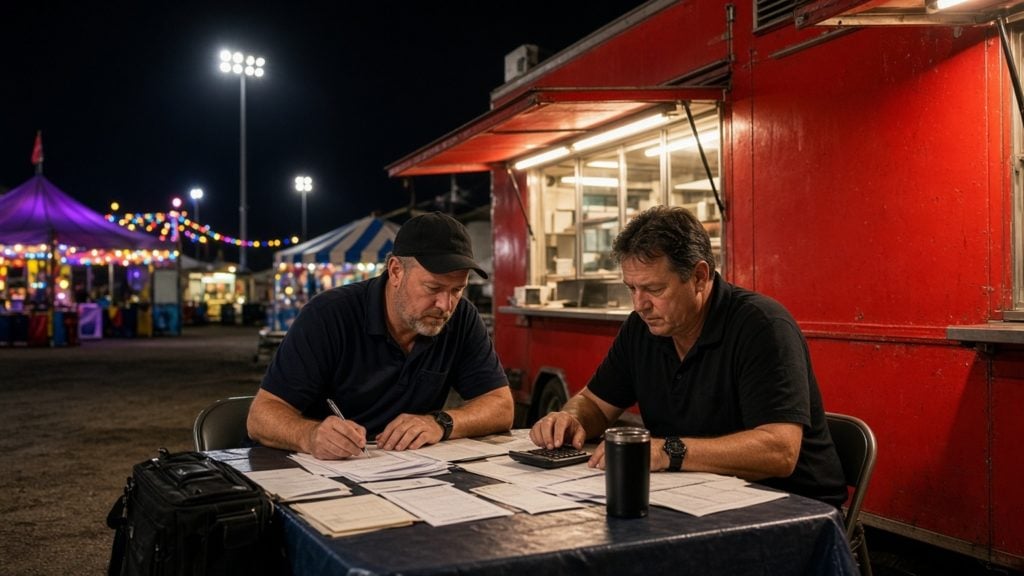
A commission check that comes up short turns the end of the fair into a fight. Learn how a clear fair vendor settlement process, defined sales bases, and authorized deductions keep final payments calm and defensible.
Insurance Premiums Are Up 30% — The Hidden Concession Risk Fairs Can No Longer Ignore
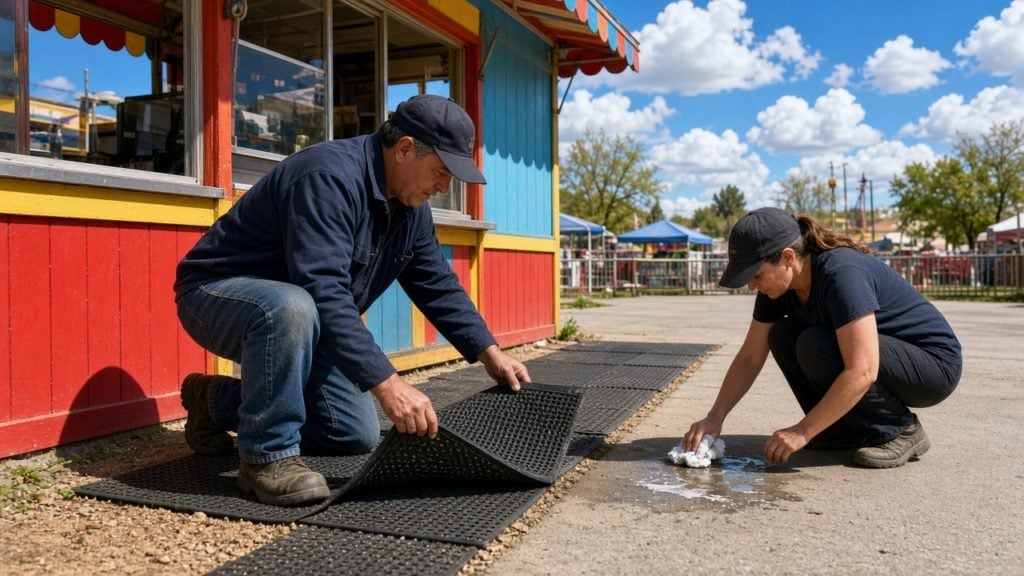
Insurance belongs in the concessions operating plan, not just the renewal packet. Understanding fair concession insurance risk helps boards connect busy food windows, rushed employees, and guest injuries to the premiums they ultimately pay.
Sustainability Isn’t Optional Anymore — Why 2026 Fairs Are Getting Pressured on Waste and Packaging
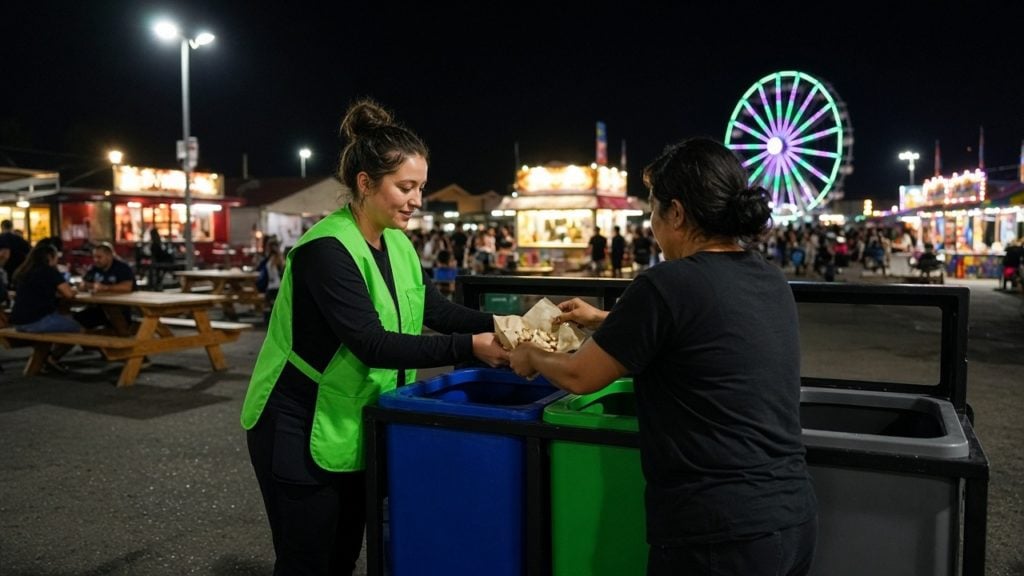
Overflowing trash cans behind the food court are now a compliance issue as well as an image problem. Get an overview of California fair waste and packaging rules and how vendors can meet them without slowing service.
One Bad Vendor Can Tank Your Whole Fair’s Reputation — The 2026 Vetting Process That Actually Works
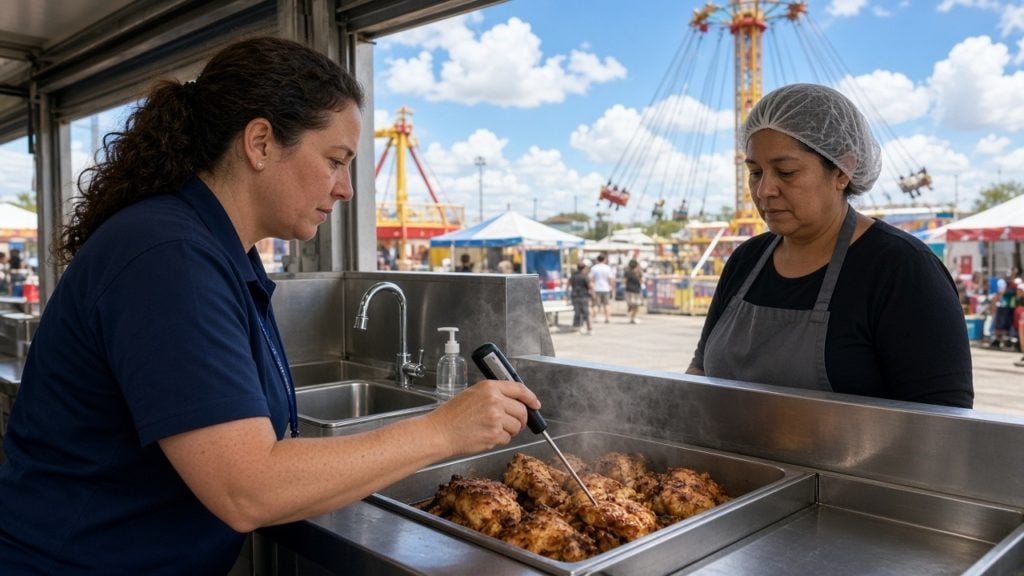
One careless vendor can put your whole fair in the local news for the wrong reasons. A practical fair vendor vetting process helps boards check food safety, service, and reliability before anyone signs a concession contract.
“They’re Staying on the Grounds” Is Not a Housing Plan — Get Seasonal Lodging Responsibilities in Writing
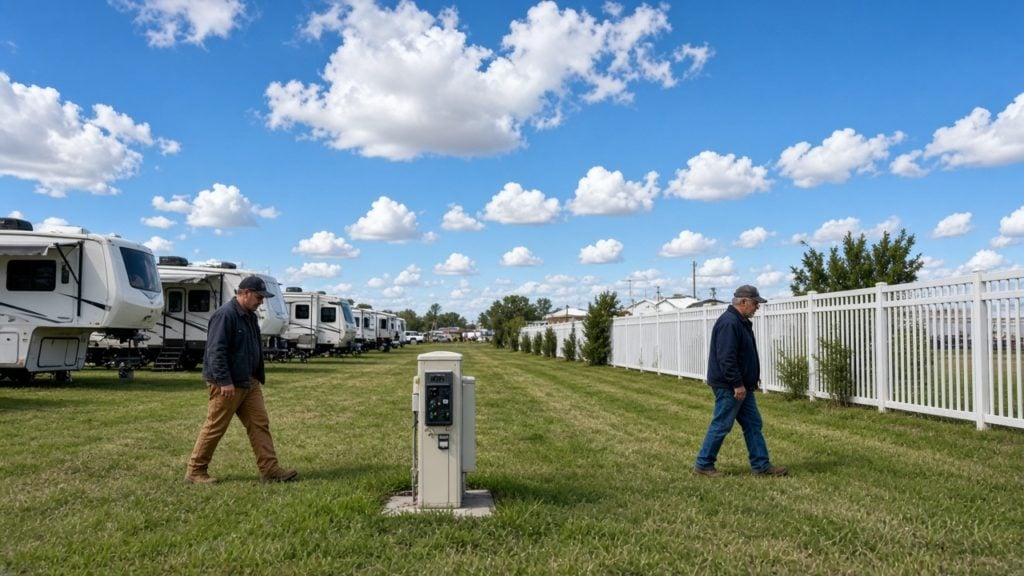
Telling vendors they can stay on the grounds is not a housing arrangement. A written seasonal fairground lodging plan settles RV placement, sanitation, power, and responsibilities before small assumptions become overnight problems for your staff.
Your Fairgrounds Are Quiet for Months — Could the Food Infrastructure Earn Its Keep?
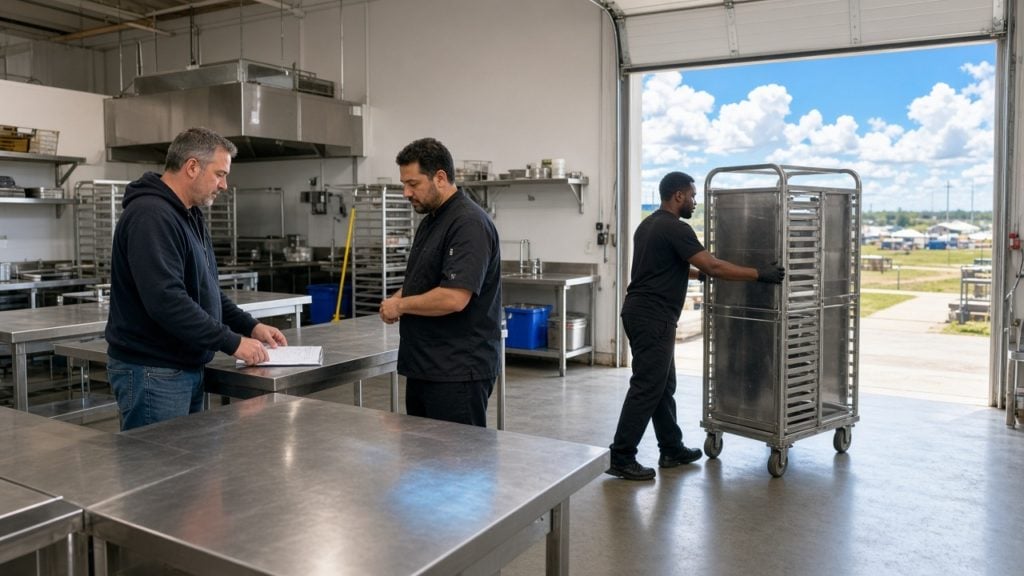
Fairground kitchens often sit quiet for months, but rental income is never automatic. A careful fairground kitchen rental feasibility review weighs equipment, permits, staffing, and demand before the board commits to year-round food use.
A Banner Is Not a Food-Court Sponsorship — Give Partners Something Useful to Fund
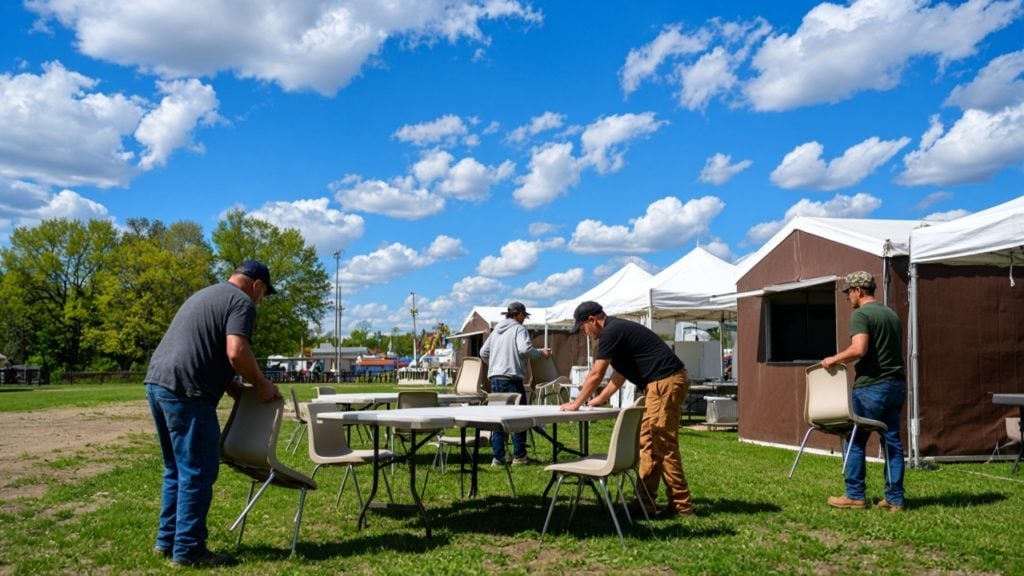
A logo on a banner gives sponsors little to talk about. A smarter fair food court sponsorship funds something guests actually use, like shaded seating or water refill stations, with clear promises both sides can measure.
“That Wasn’t in the Contract” — The Concession Scope Creep That Lands Back on the Fair
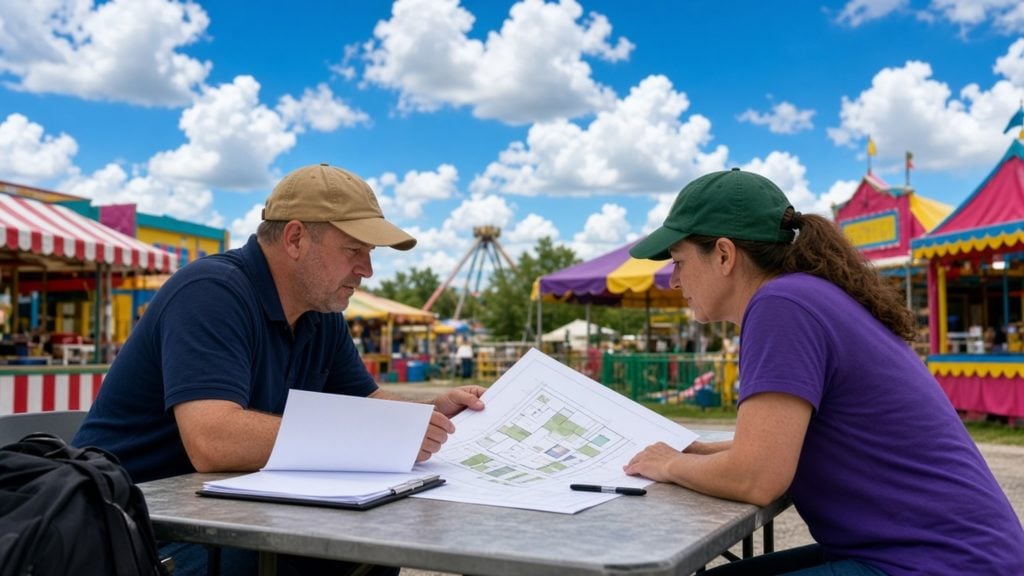
Discovering a contract gap during opening week gets expensive very fast for everyone. Clear concession contract scope spells out who supplies equipment, connections, and services, and how changes get approved before small gaps become disputes.