


Your Fairgrounds Are Quiet for Months — Could the Food Infrastructure Earn Its Keep?
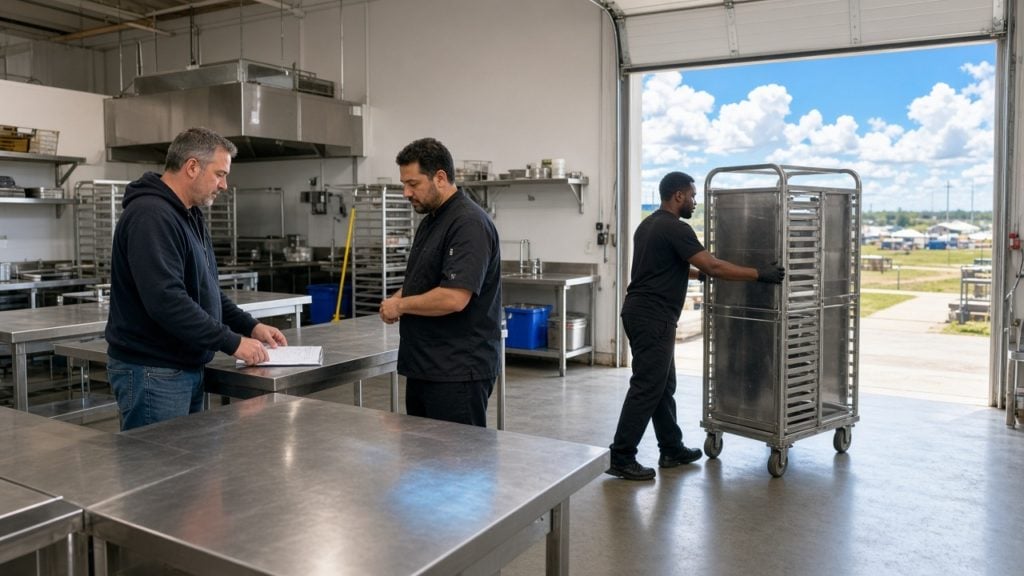
Fairground kitchens often sit quiet for months, but rental income is never automatic. A careful fairground kitchen rental feasibility review weighs equipment, permits, staffing, and demand before the board commits to year-round food use.
Good Food Shouldn’t Leave in a Dumpster — Build an Edible Recovery Handoff That Works
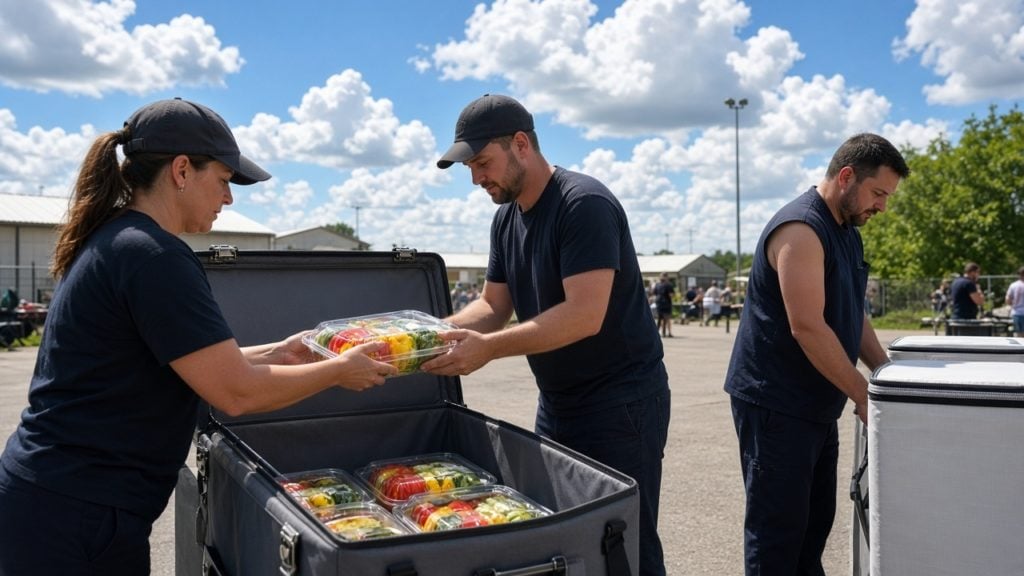
Good food should not end the night in a dumpster. Fair edible food recovery works best with an approved handling process, proper packaging, a ready recipient, and a pickup window agreed long before closing time arrives.
One Bad Alcohol Handoff Can Become the Whole Fair’s Problem — Build Responsible Service Into Operations
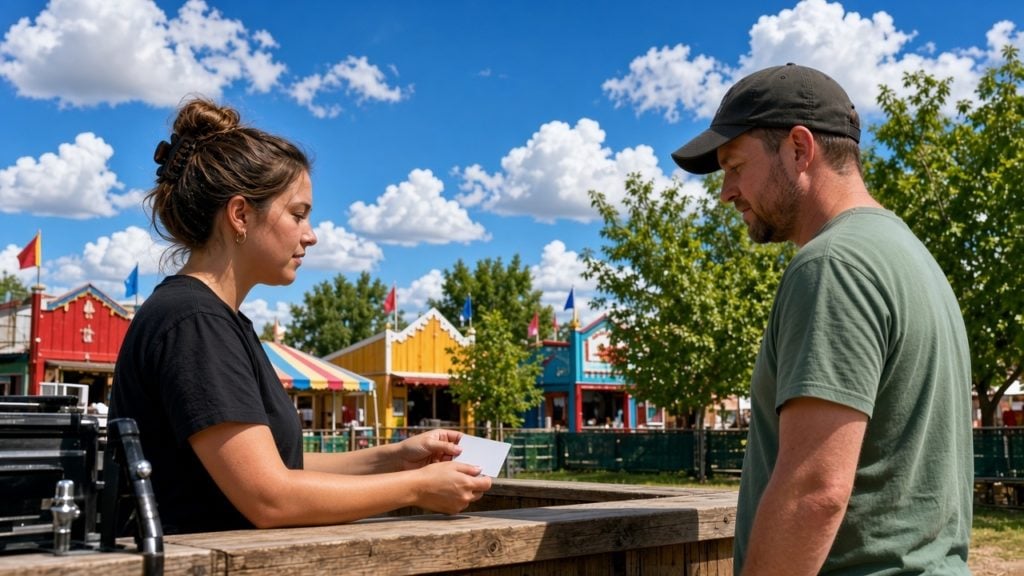
One bad alcohol handoff can become the whole fair’s problem. Responsible alcohol service at fairs depends on clear authority, trained servers, and supervisors who back decisions, not just wristbands and a licensing binder on a shelf.
The Menu Says One Price. The Guest Pays Another. Stop the Food-Court Sticker Shock
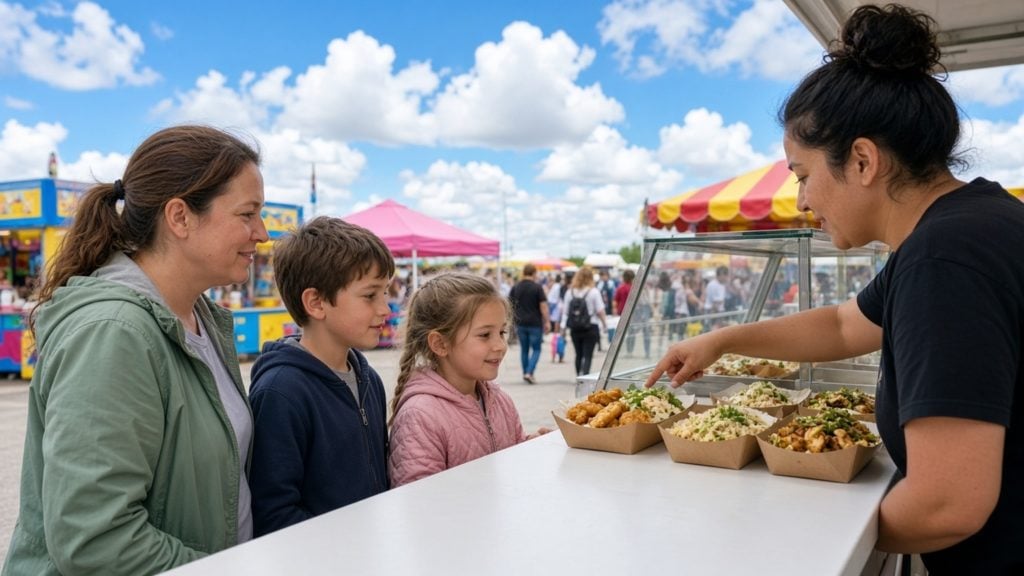
Nothing slows a line like a guest surprised by the price at the counter. Fair menu price transparency means clear sizes, visible add-ons, and upfront charges, so cashiers take orders instead of explaining confusing menu boards.
Clean Water In, Grey Water Out — The Concession Connections Nobody Wants to Own
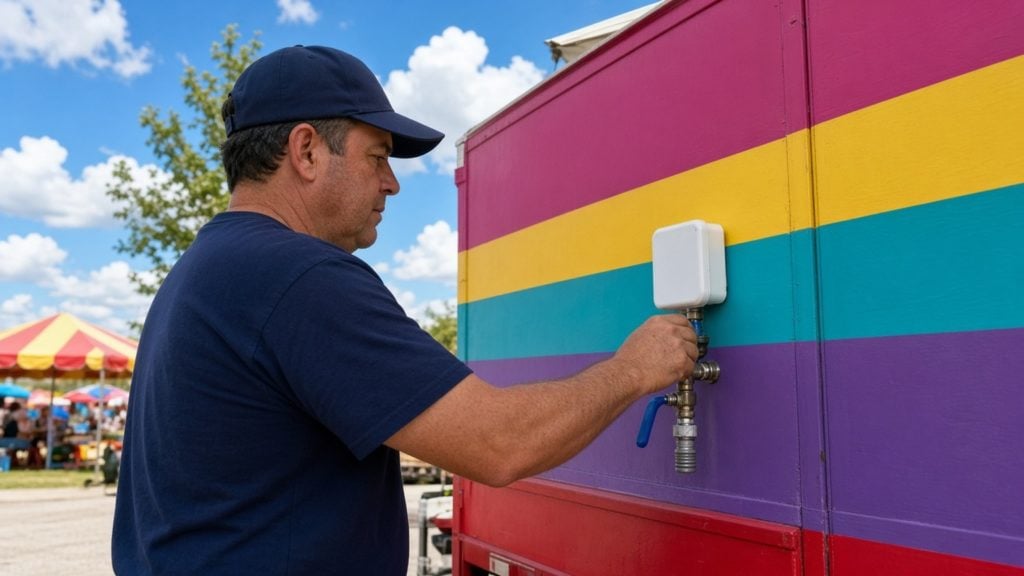
Guests never see the water lines, but they feel it when service stops. Fair water and wastewater planning maps supply, holding, and disposal routes with responsible people and approved fallbacks long before move-in day arrives.
“The Fire Marshal Says We Can’t Open” — Propane Planning Before the First Flame
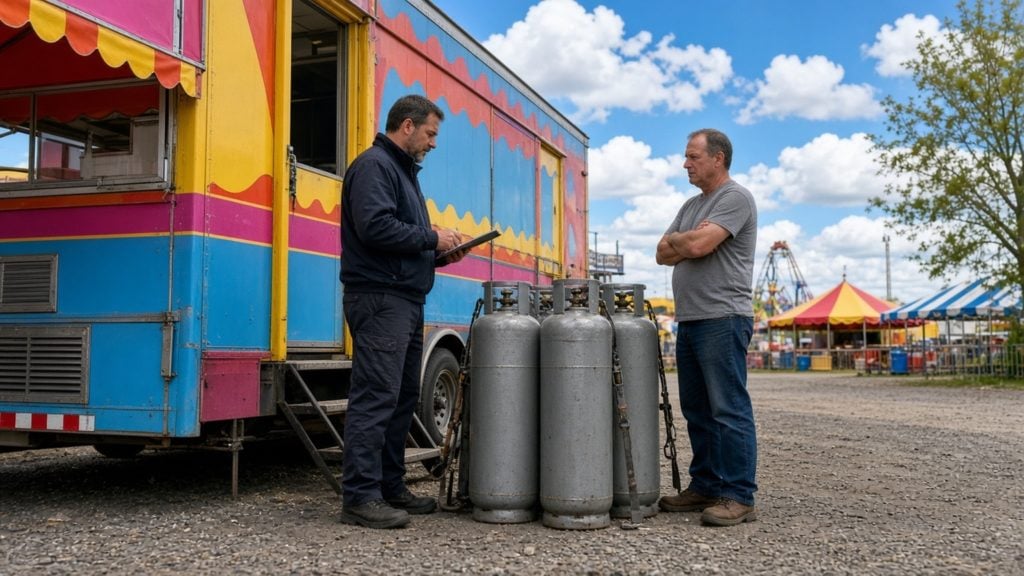
A cooking setup that worked at another event can still fail a fire inspection here. Smart fair propane planning settles fuel arrangements, layout, and location-specific requirements early, so the first flame lights on schedule.