


From Vendor Applications to Teardown in 10 Days — Why Most Fairs Are Drowning in 2026 Logistics
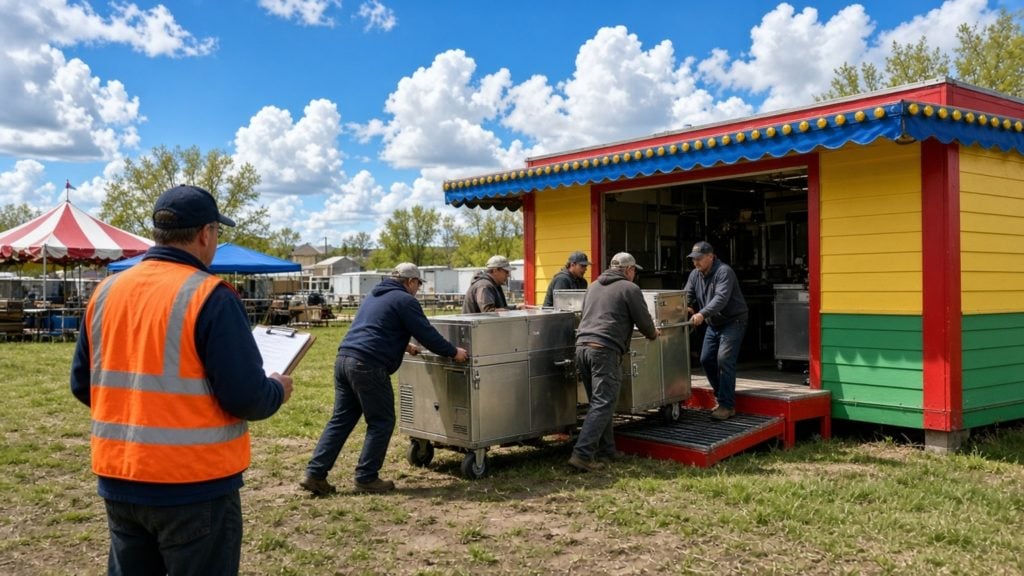
Vendor applications, insurance documents, power requests, and move-in all land on the same exhausted office. This guide to fair concessions logistics shows how to sequence the work so opening week feels organized instead of overwhelming.
The 2026 Food-Safety Hammer Is Dropping — Why More County Fairs Are Getting Hit with Surprise Violations
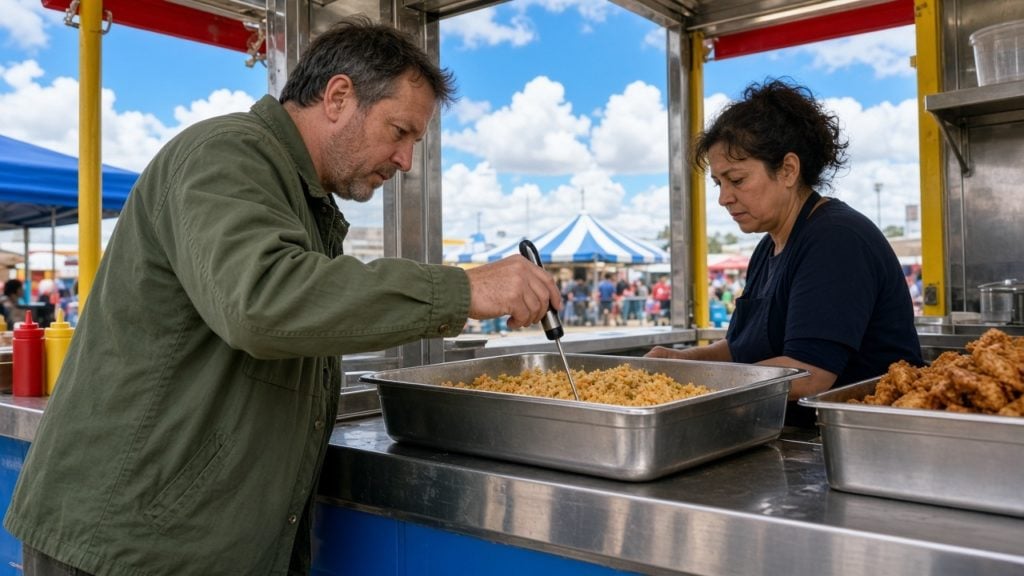
An empty soap dispenser or unsafe holding temperature can shut down a booth on its busiest day. This look at fair concession food safety covers the established rules and preparation that keep inspections from becoming emergencies.
The Ice Run Is Part of Food Safety: Protect Every Cup From Delivery to Service
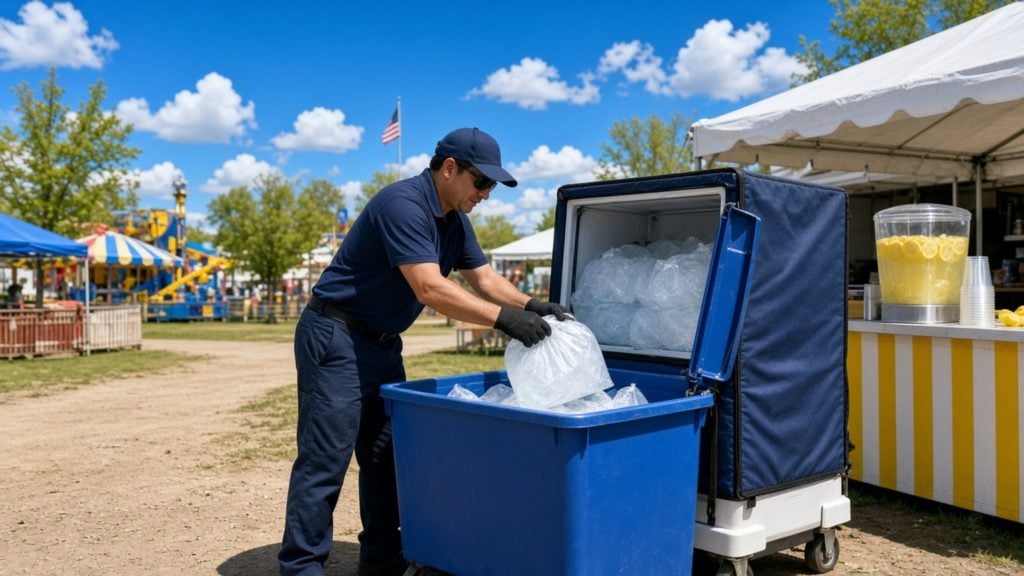
Every cup depends on an ice-handling chain guests never see. Protect your fair beverage program with approved supply, controlled deliveries, separate cooling uses, clean utensils, and practical responses when demand or equipment creates pressure.
Sustainability Isn’t Optional Anymore — Why 2026 Fairs Are Getting Pressured on Waste and Packaging
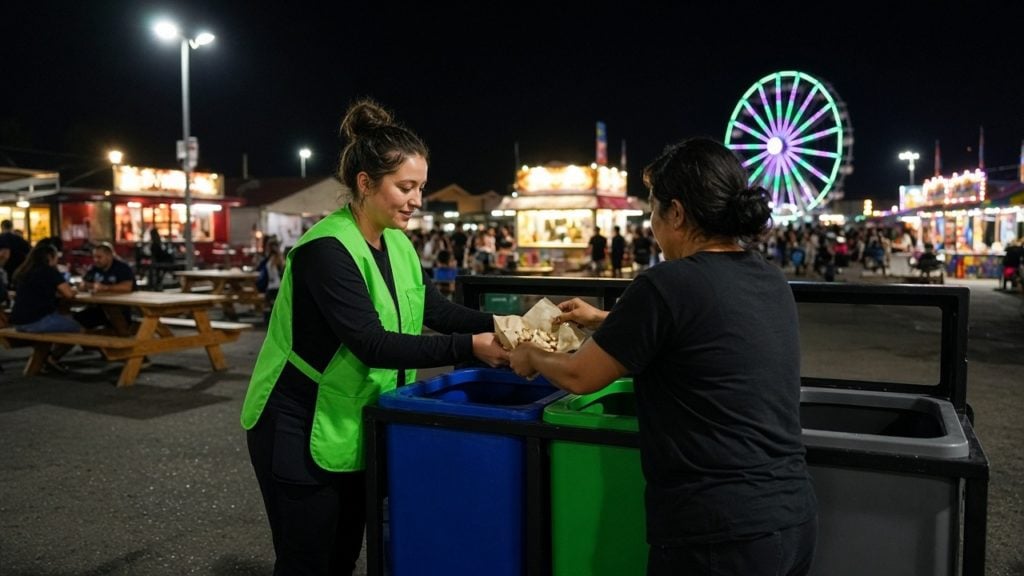
Overflowing trash cans behind the food court are now a compliance issue as well as an image problem. Get an overview of California fair waste and packaging rules and how vendors can meet them without slowing service.
The “Healthy Food Item” Mandate Is Back — How Fairs Are Making It Sell in 2026
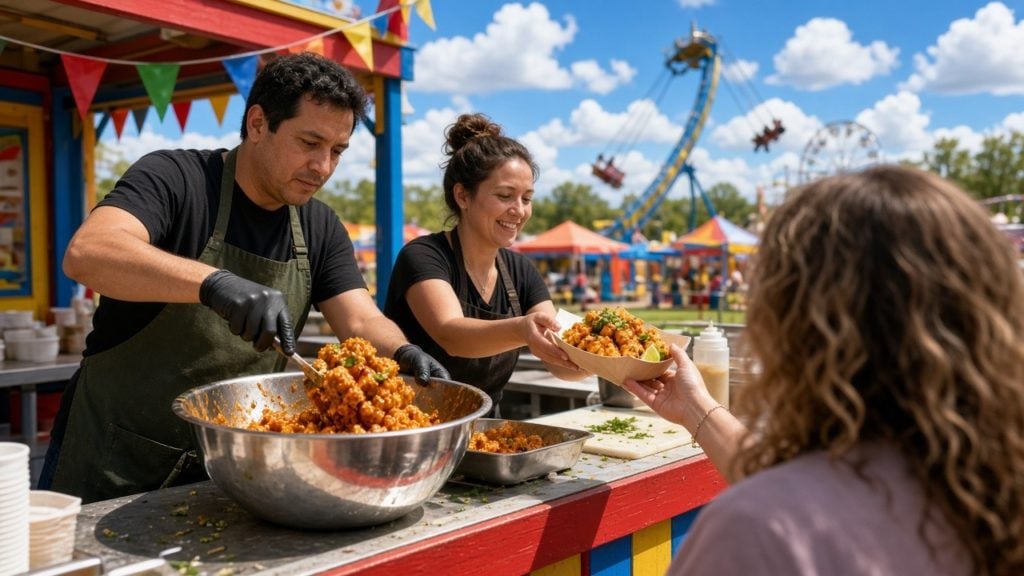
Healthy options do not have to mean a sad fruit cup nobody buys. Discover how fairs can make healthy fair food appealing, work with vendors on menus that sell, and turn a contract requirement into guest demand.
One Bad Vendor Can Tank Your Whole Fair’s Reputation — The 2026 Vetting Process That Actually Works
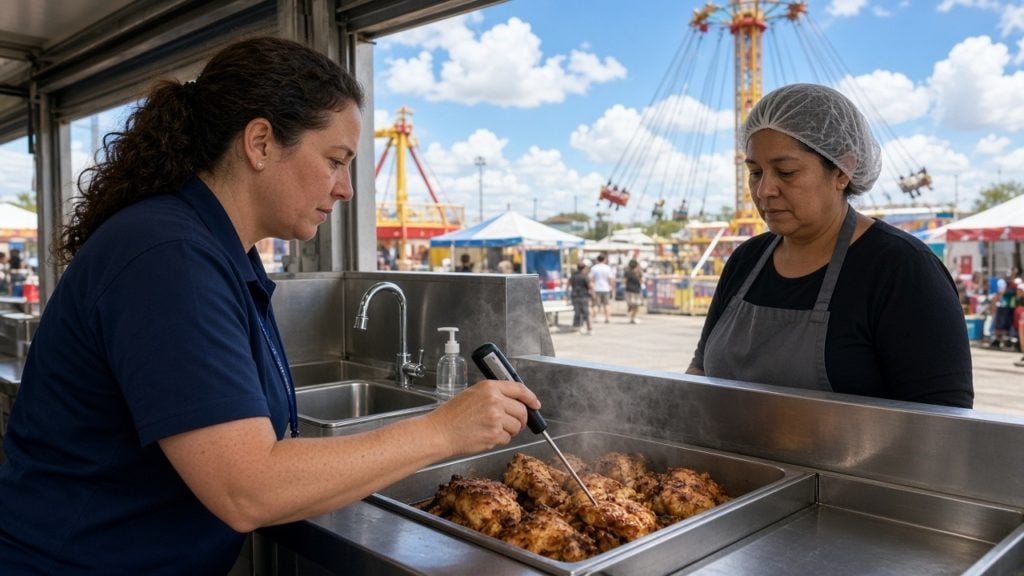
One careless vendor can put your whole fair in the local news for the wrong reasons. A practical fair vendor vetting process helps boards check food safety, service, and reliability before anyone signs a concession contract.
Teen Workers Are Not Interchangeable Labor: Build an Age-Safe Fair Concession Roster
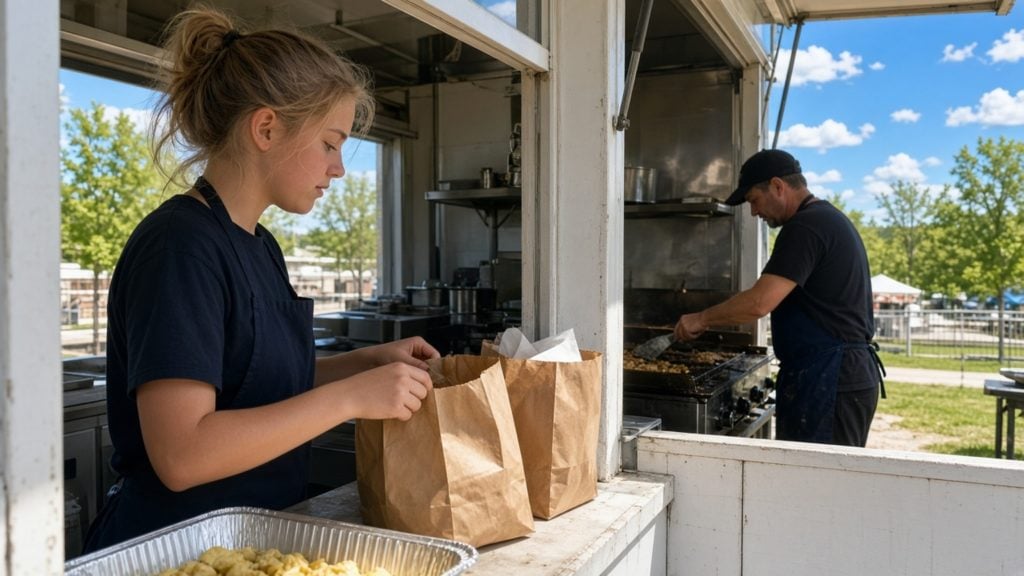
A full staffing roster can hide serious age-related assignment gaps. Build a fair concession plan that connects youth workers, permitted tasks, operating hours, adult coverage, and practical supervision before the first busy weekend arrives.
MAHA Is Coming for Fair Food — What the New Nutritional Scrutiny Means for Your 2026 Menu
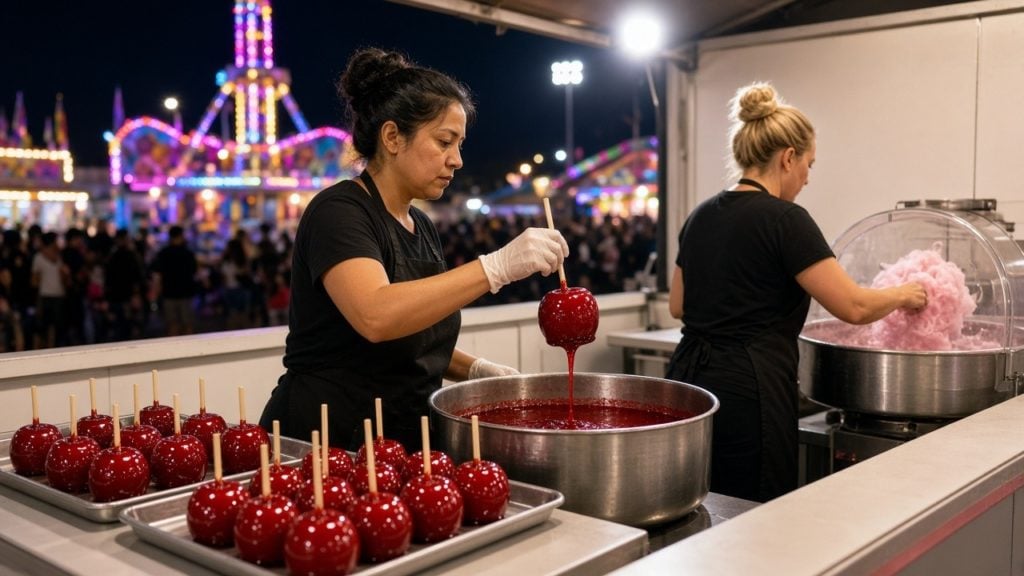
Questions about food dyes and ultra-processed snacks are reaching fair boardrooms. Learn what the MAHA fair food conversation means for your menu, your vendors, and your public health partners as nutritional scrutiny grows this season.
“They’re Staying on the Grounds” Is Not a Housing Plan — Get Seasonal Lodging Responsibilities in Writing
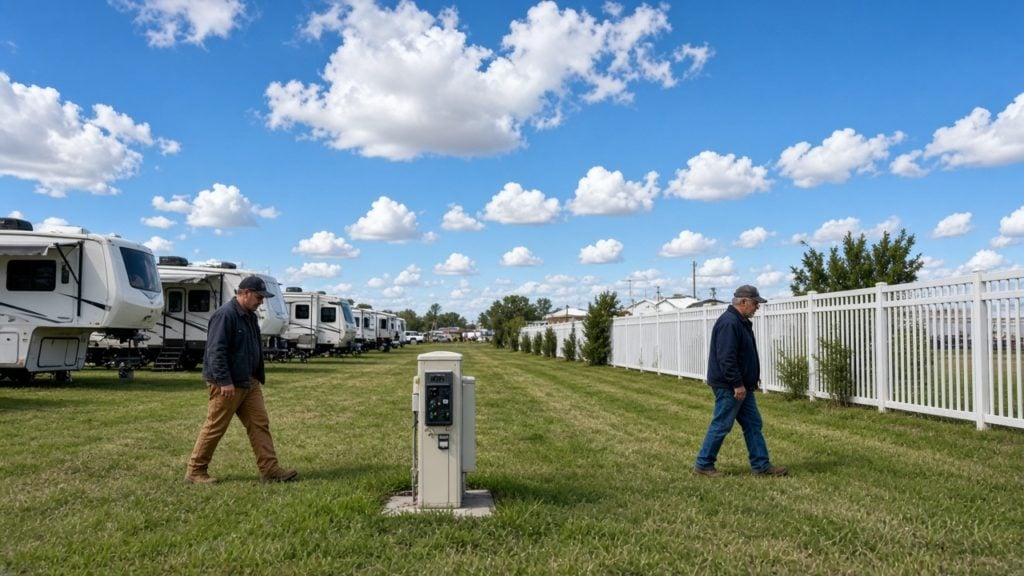
Telling vendors they can stay on the grounds is not a housing arrangement. A written seasonal fairground lodging plan settles RV placement, sanitation, power, and responsibilities before small assumptions become overnight problems for your staff.
Who Gets the Tip? The Wage-Policy Argument You Want Settled Before Opening
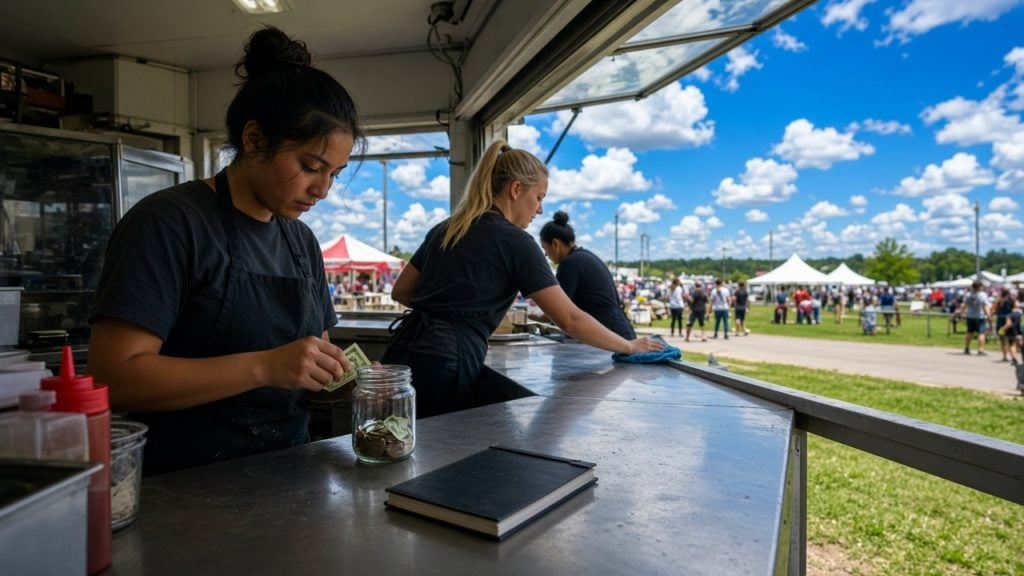
A tip jar raises real questions about who gets the money and whether supervisors share it. Set a clear California fair tip policy before opening day so crews, managers, and receipts all tell the same story.