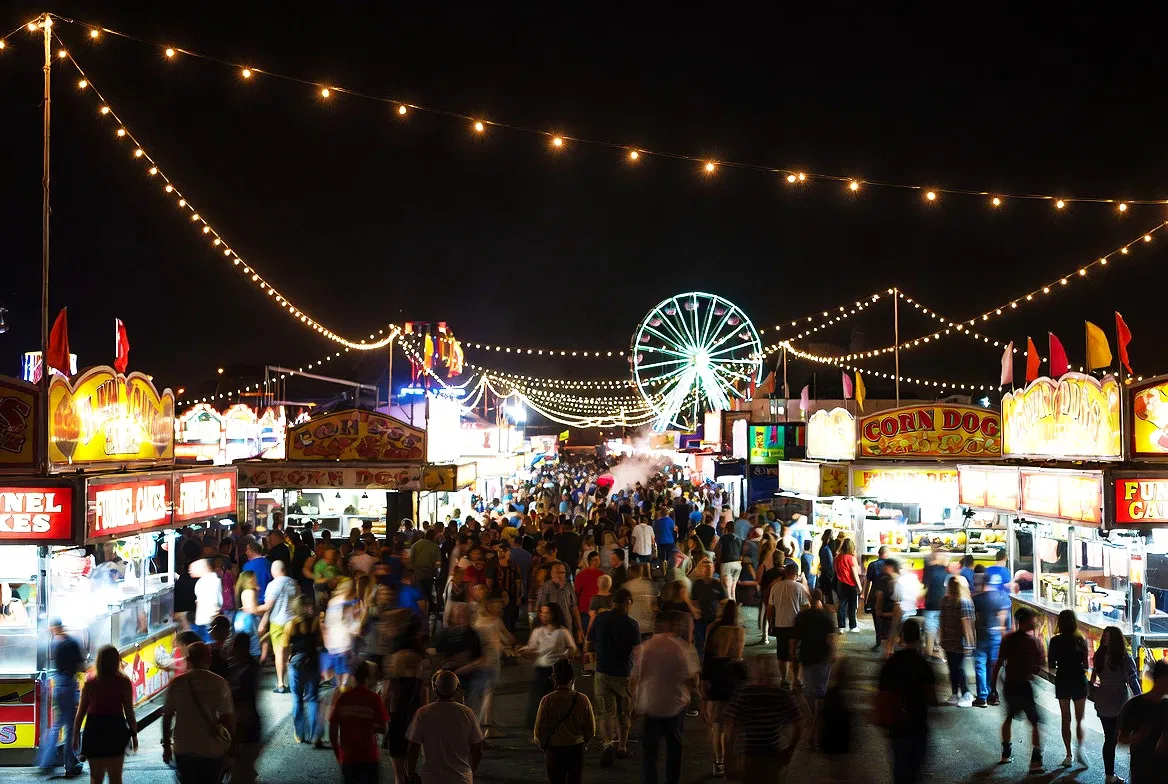
Who Gets the Tip? The Wage-Policy Argument You Want Settled Before Opening
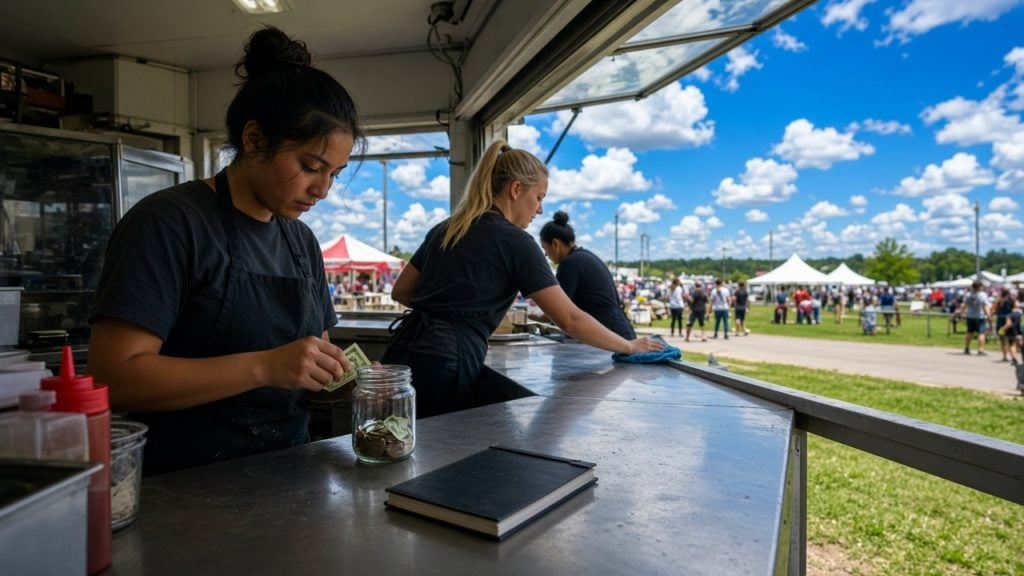
A tip jar raises real questions about who gets the money and whether supervisors share it. Set a clear California fair tip policy before opening day so crews, managers, and receipts all tell the same story.
Your Fairgrounds Are Quiet for Months — Could the Food Infrastructure Earn Its Keep?
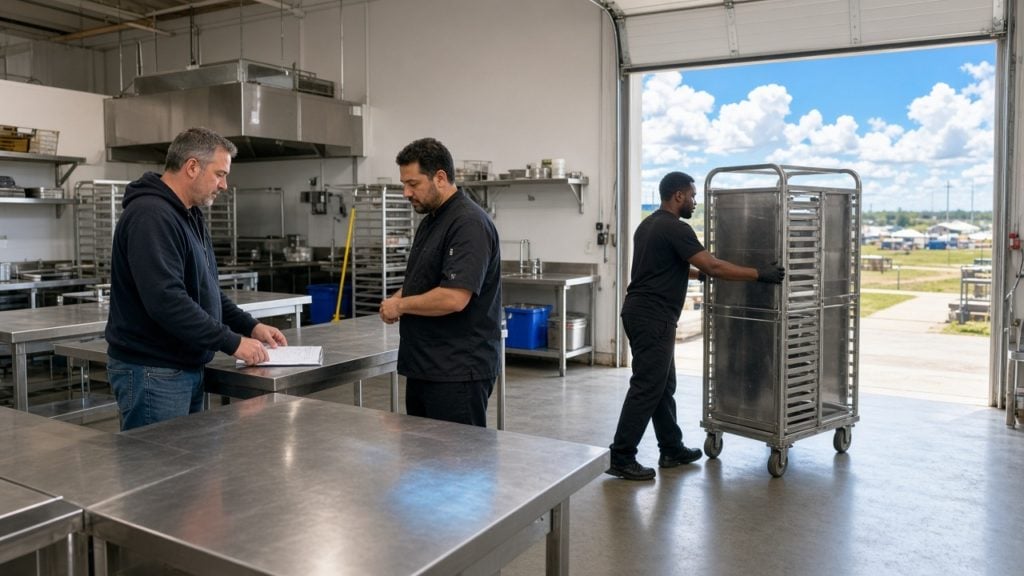
Fairground kitchens often sit quiet for months, but rental income is never automatic. A careful fairground kitchen rental feasibility review weighs equipment, permits, staffing, and demand before the board commits to year-round food use.
The Concert Ends. Why Does the Food Court Feel Closed? Rethink the Fair After Dark
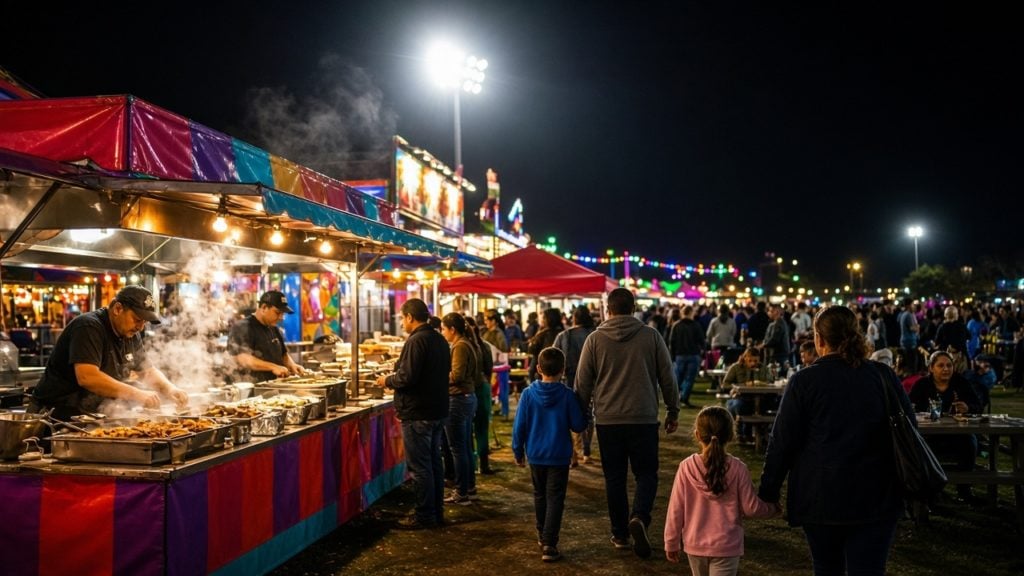
Guests leaving a concert expect dinner, not lowered shutters and endless lines. Planning the fair food court after dark aligns staffing, lighting, cleaning, and menus with entertainment so evening crowds stay, eat, and enjoy the night.
A Banner Is Not a Food-Court Sponsorship — Give Partners Something Useful to Fund
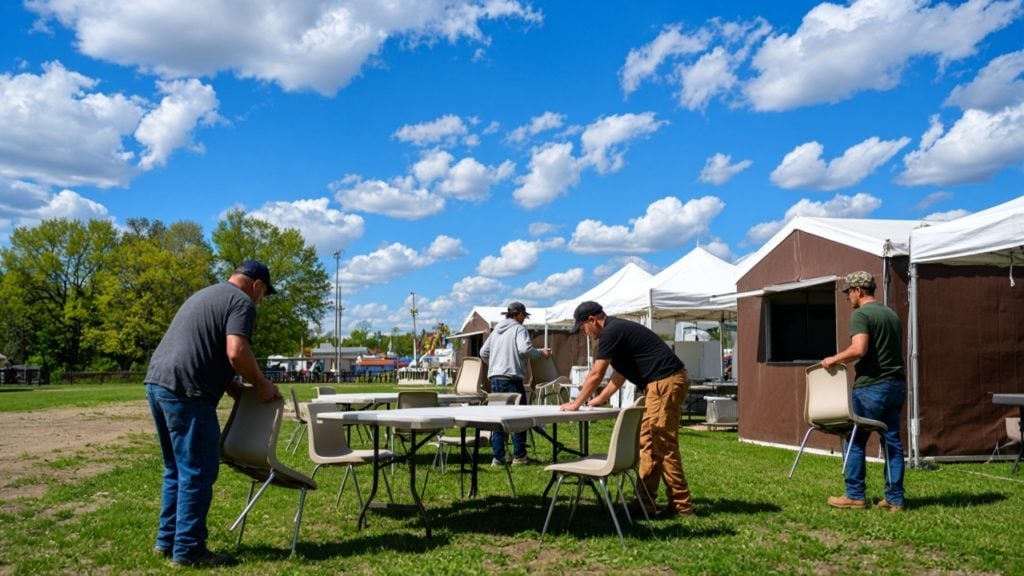
A logo on a banner gives sponsors little to talk about. A smarter fair food court sponsorship funds something guests actually use, like shaded seating or water refill stations, with clear promises both sides can measure.
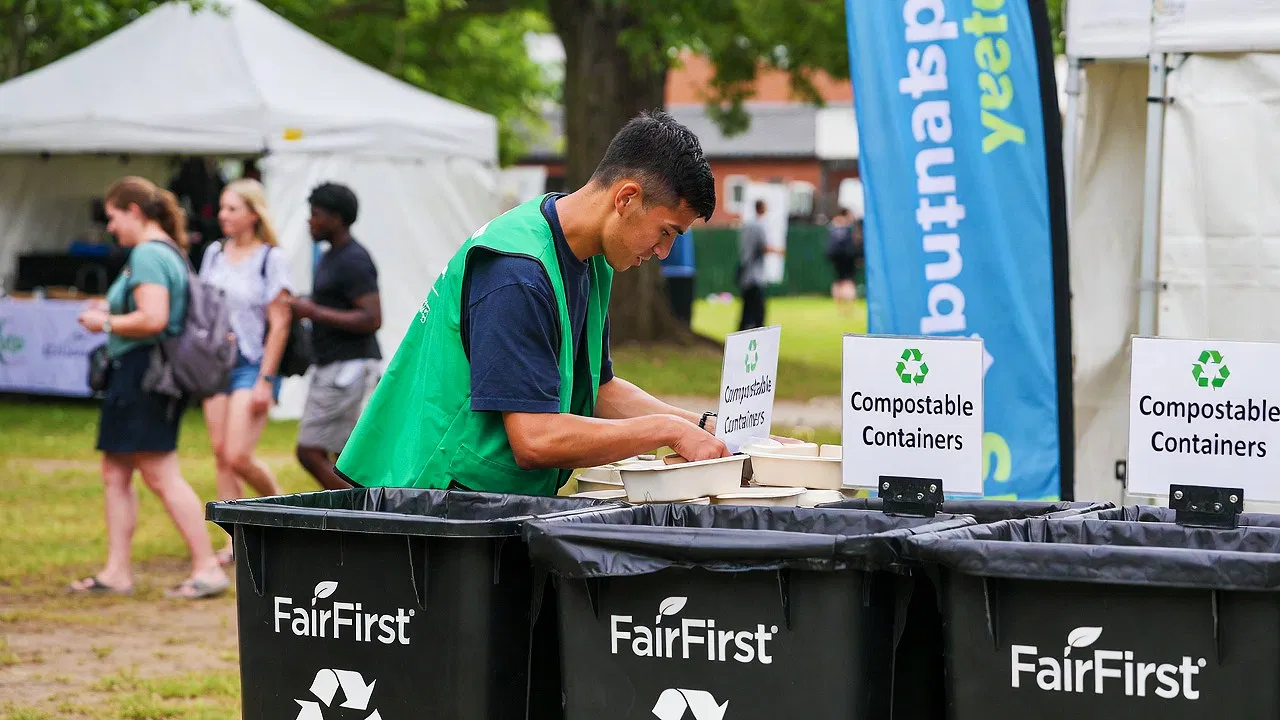
Good Food Shouldn’t Leave in a Dumpster — Build an Edible Recovery Handoff That Works
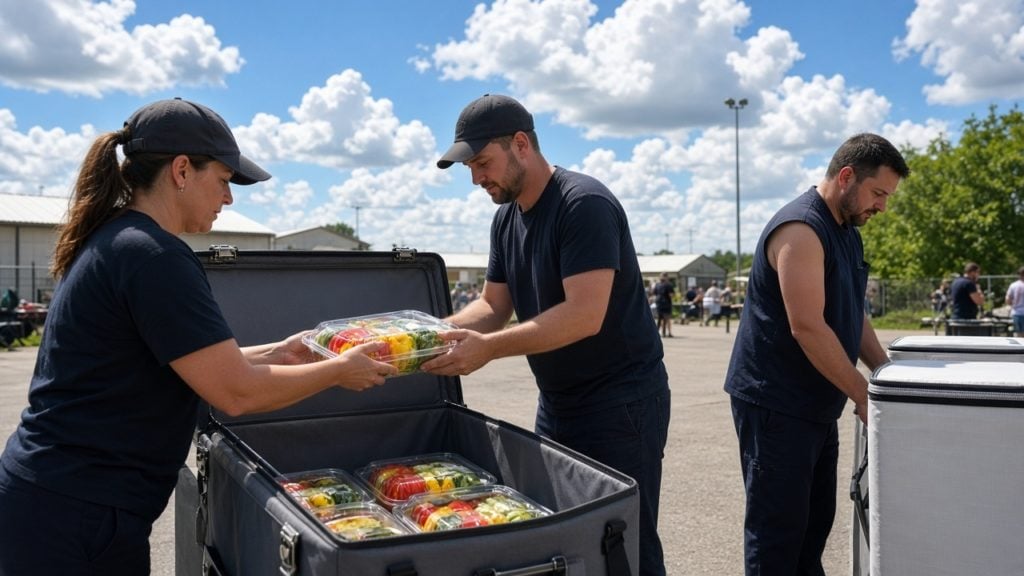
Good food should not end the night in a dumpster. Fair edible food recovery works best with an approved handling process, proper packaging, a ready recipient, and a pickup window agreed long before closing time arrives.
Blue Sky at Opening, Smoke by Supper — Who Makes the Call When Air Quality Changes?

A clear opening morning does not guarantee clean air by dinner. A written fair air quality operations plan defines who checks conditions, who makes the call, and how vendors and guests hear the decision quickly.
Wind Doesn’t Care About Your Dinner Rush — The Weather Decision Plan Every Food Court Needs
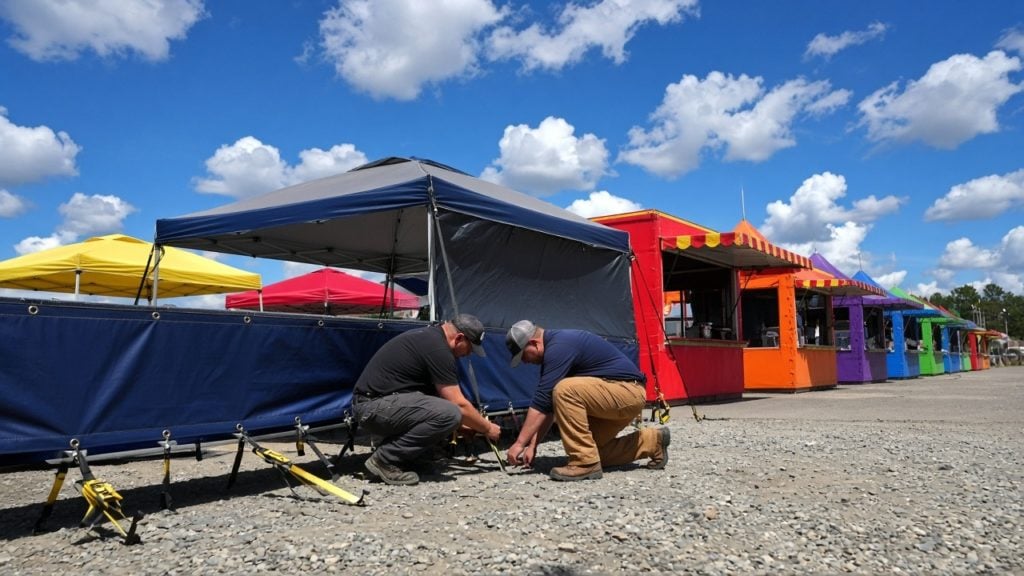
When a gust starts lifting canopies during the dinner rush, nobody should be debating who can stop service. A fair food court weather plan sets thresholds, authority, and communication before the wind picks up.
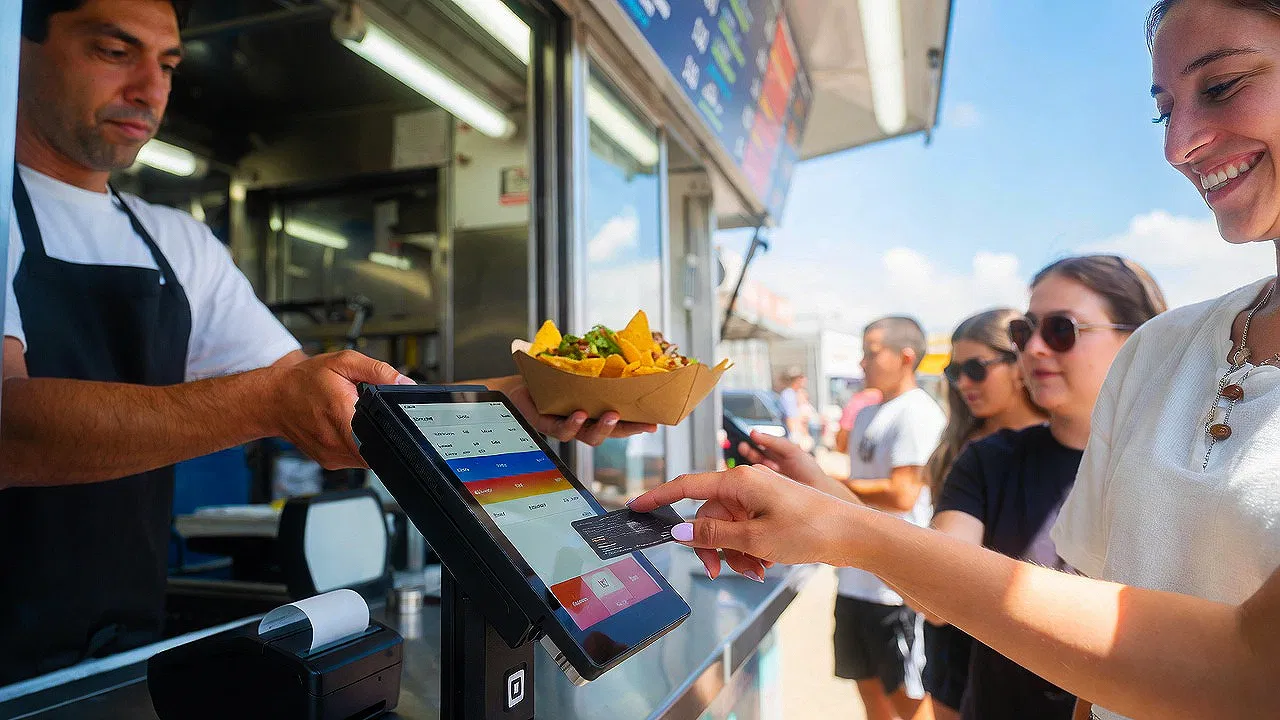
Skip the Order Line, Join the Pickup Mess? Make Digital Ordering Work on the Grounds
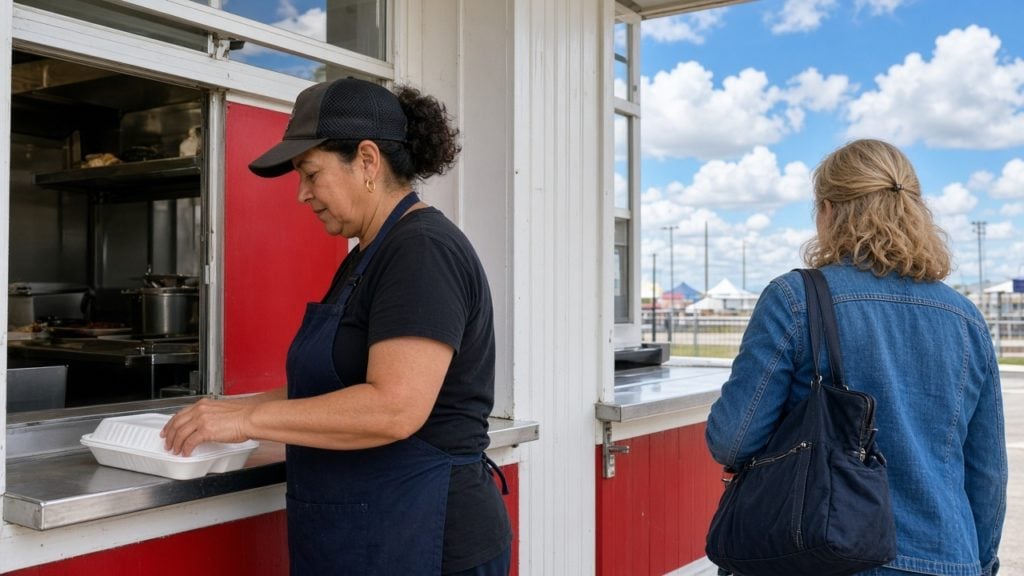
Phone orders can shorten the walk-up line while piling meals on the counter. Making digital ordering at county fairs work means planning pickup zones, kitchen flow, and order tracking so convenience actually reaches the guest.
One Bad Alcohol Handoff Can Become the Whole Fair’s Problem — Build Responsible Service Into Operations
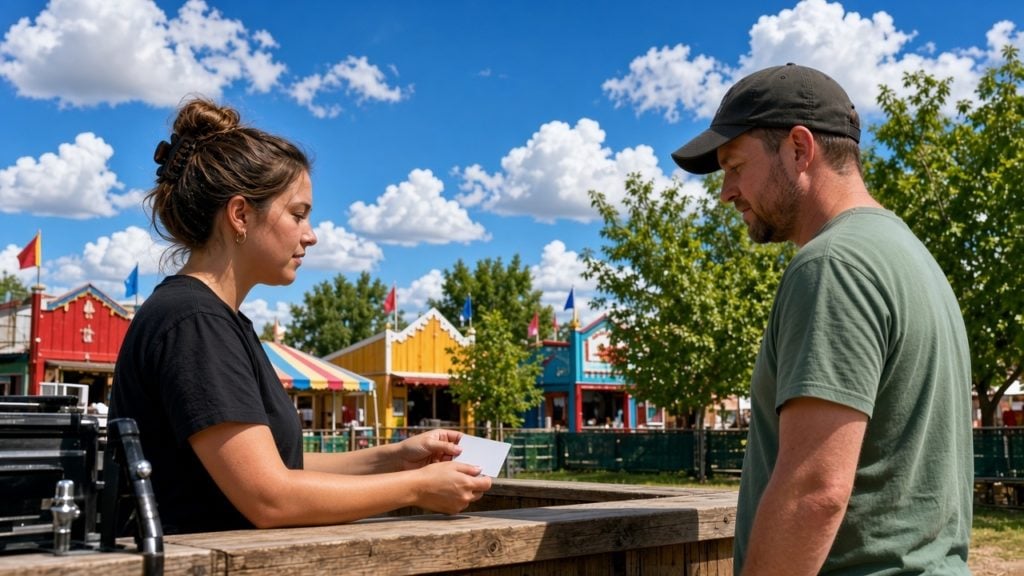
One bad alcohol handoff can become the whole fair’s problem. Responsible alcohol service at fairs depends on clear authority, trained servers, and supervisors who back decisions, not just wristbands and a licensing binder on a shelf.
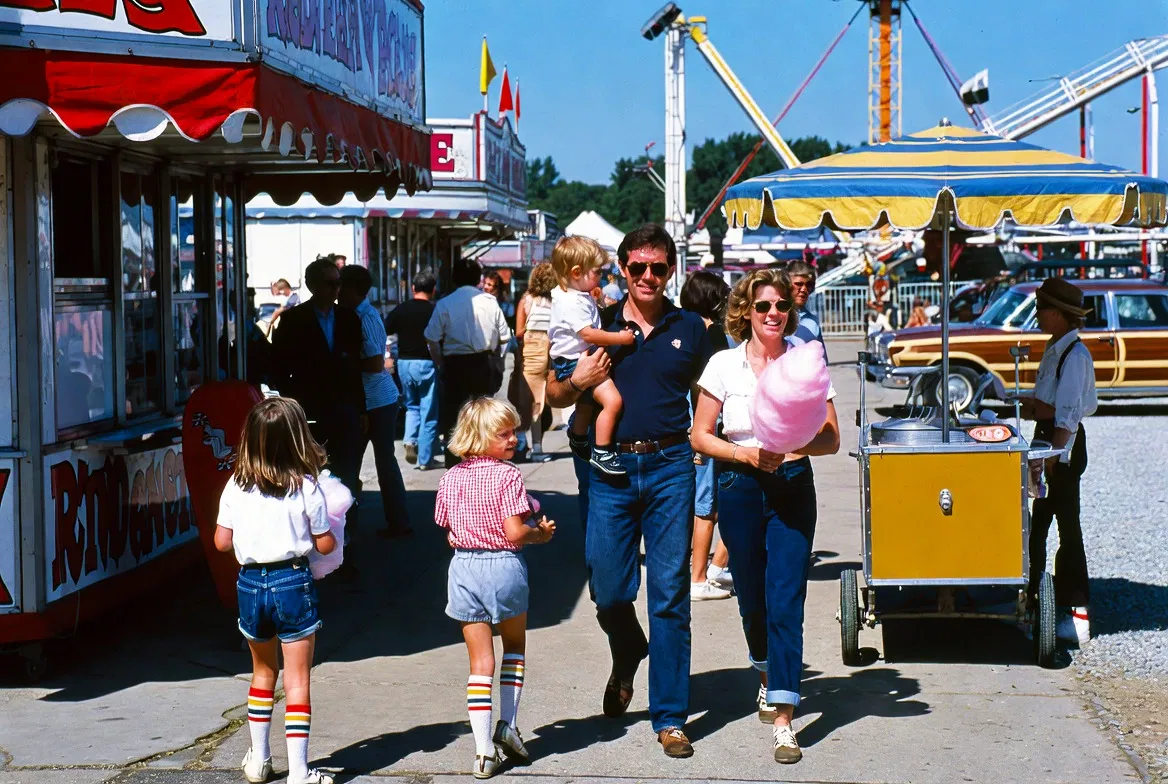
Your Best Food Stand Is Blocking the Midway — The Queue Problem That Spreads Everywhere
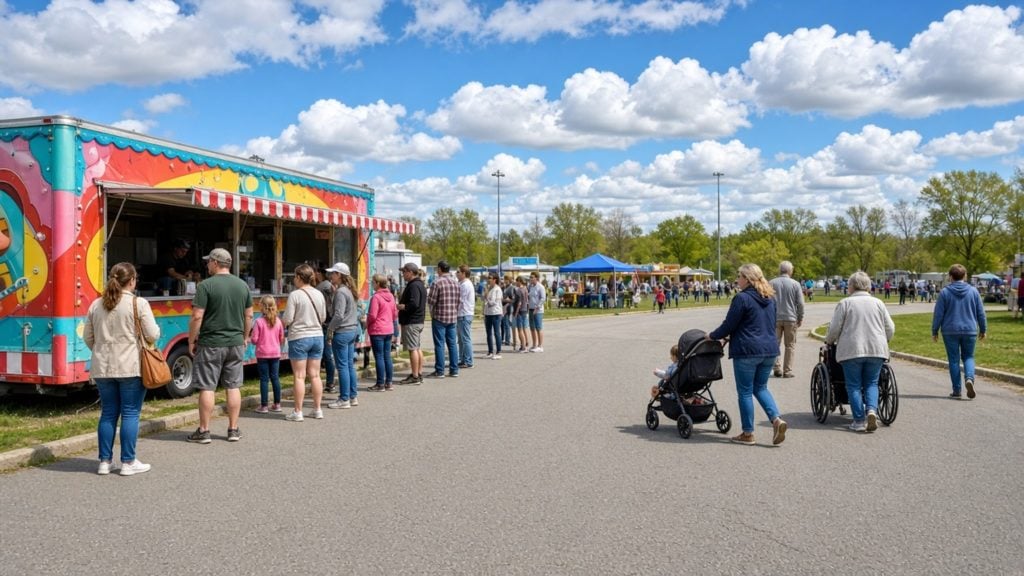
Your busiest food stand can block the midway and spill into neighboring booths. Good fair concession queue planning separates ordering, waiting, and pickup so popular vendors succeed without frustrating everyone trying to walk past the line.