


The Last Cleaning Shift Can Create Next Season’s Problem: Control Concession Chemicals

The final cleaning shift can leave hidden hazards for the next crew. Strengthen concession chemical controls with product inventories, understandable instructions, suitable protection, separate storage, and a documented teardown handoff before next season begins.
The Food Inventory Disaster Hitting Fairs in 2026
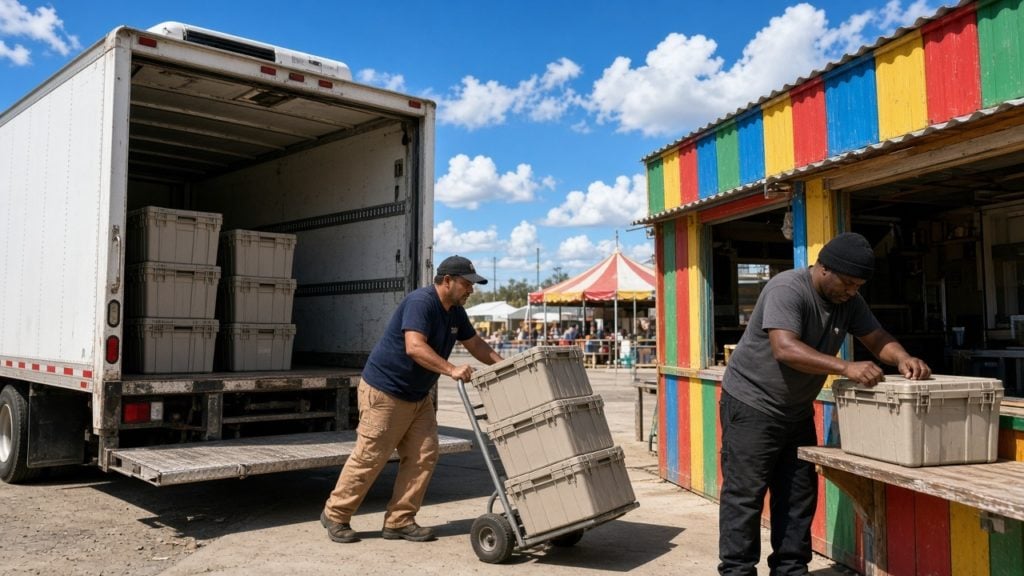
Running out of a best-selling item on day three can quietly drain a short selling window. Practical fair concession inventory management helps forecast demand, stage backup stock, and protect revenue before guests see empty menus.
The Cooler Is Warming: Make the Food Decision Before the Electrician Arrives
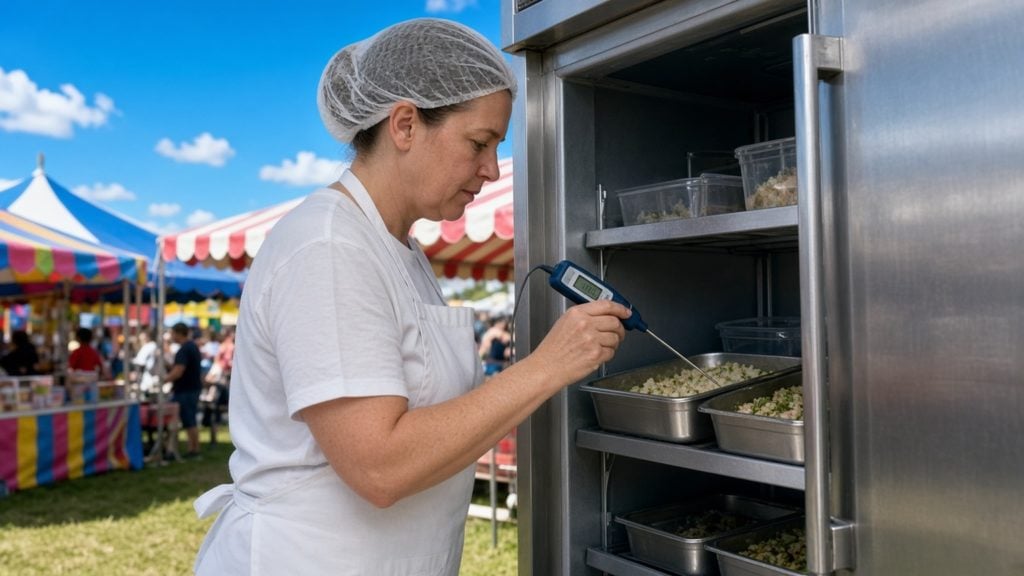
A repaired refrigerator does not erase the food’s temperature history. Give your fair concession team clear product holds, documented evidence, usable backup capacity, and separate food-safety and equipment decisions before the next interruption happens.
The 2026 Food-Safety Hammer Is Dropping — Why More County Fairs Are Getting Hit with Surprise Violations
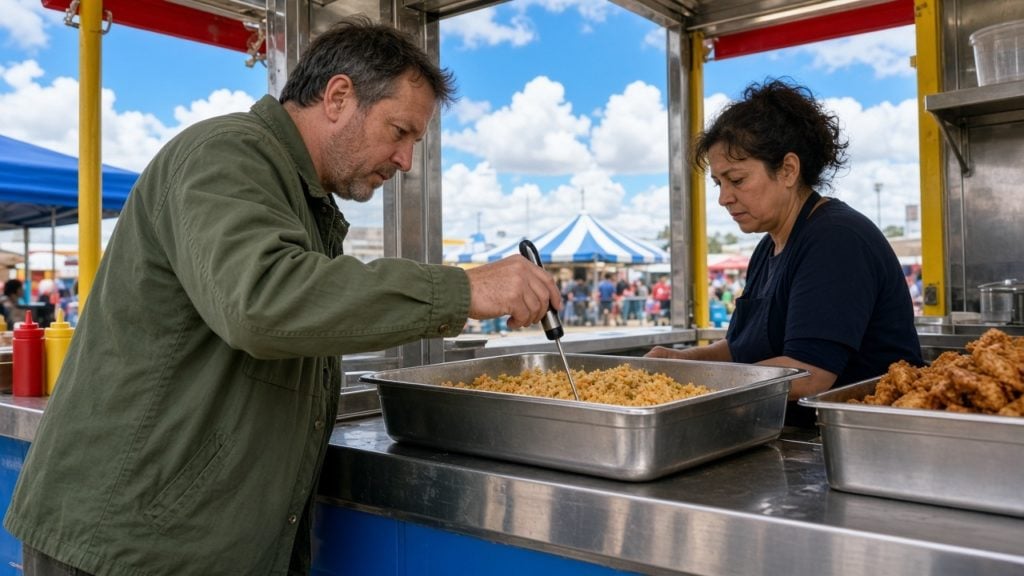
An empty soap dispenser or unsafe holding temperature can shut down a booth on its busiest day. This look at fair concession food safety covers the established rules and preparation that keep inspections from becoming emergencies.
A Signed Training Sheet Does Not Mean Your Fair Crew Understood the Job
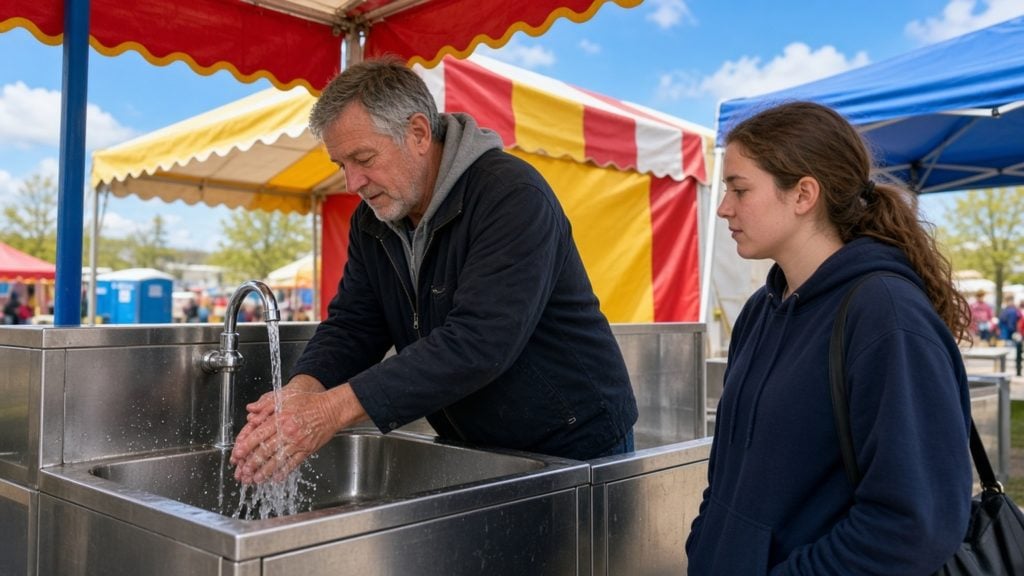
Signed orientation sheets do not prove a crew understood the work. Strengthen fair concession training with clear language, live demonstrations, respectful teach-back, product-specific instructions, and shift handoffs that remain usable during the busiest service periods.
Insurance Premiums Are Up 30% — The Hidden Concession Risk Fairs Can No Longer Ignore
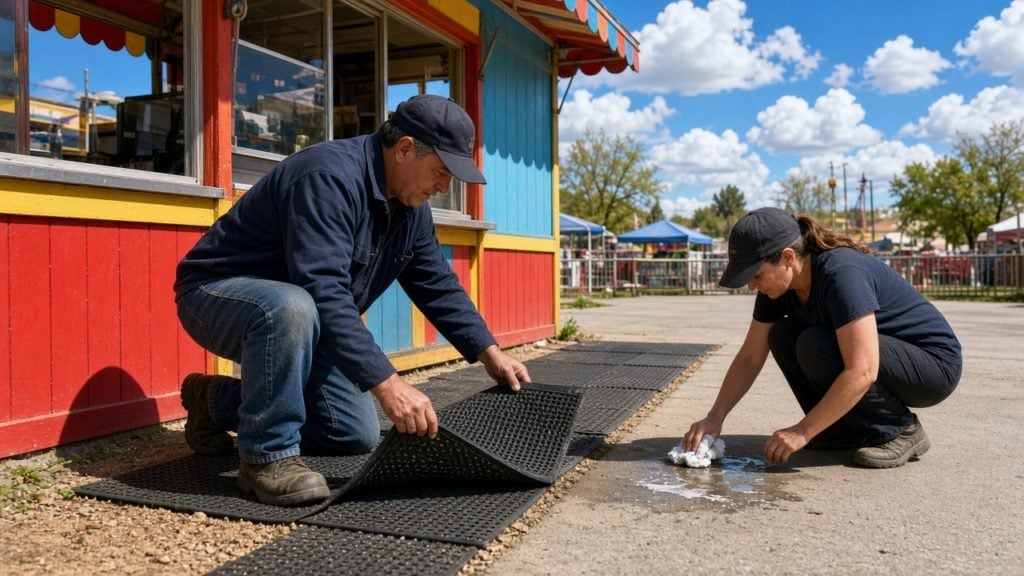
Insurance belongs in the concessions operating plan, not just the renewal packet. Understanding fair concession insurance risk helps boards connect busy food windows, rushed employees, and guest injuries to the premiums they ultimately pay.
The Ice Run Is Part of Food Safety: Protect Every Cup From Delivery to Service
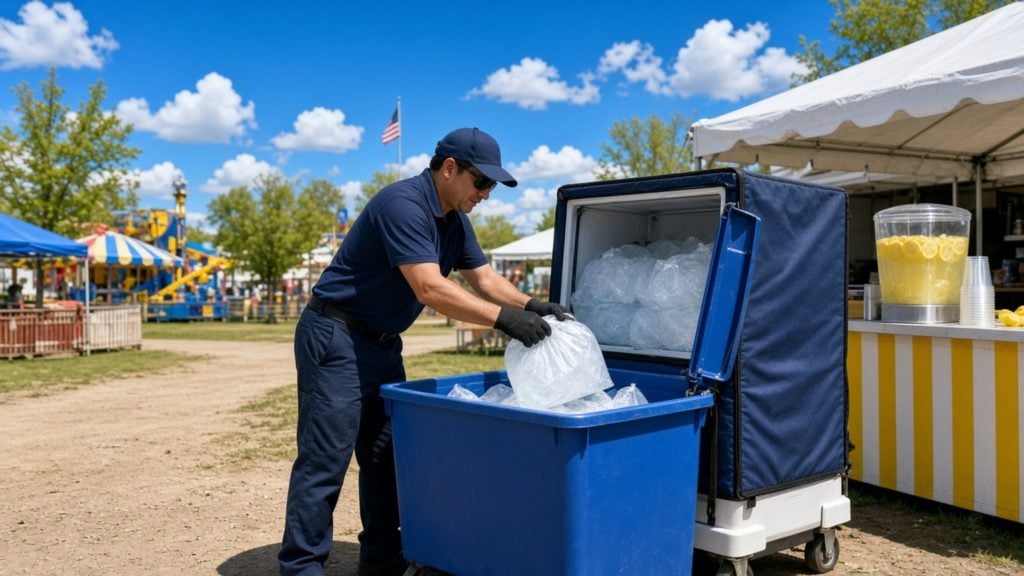
Every cup depends on an ice-handling chain guests never see. Protect your fair beverage program with approved supply, controlled deliveries, separate cooling uses, clean utensils, and practical responses when demand or equipment creates pressure.
A Sick Call Is a Food-Safety Decision, Not a Staffing Negotiation
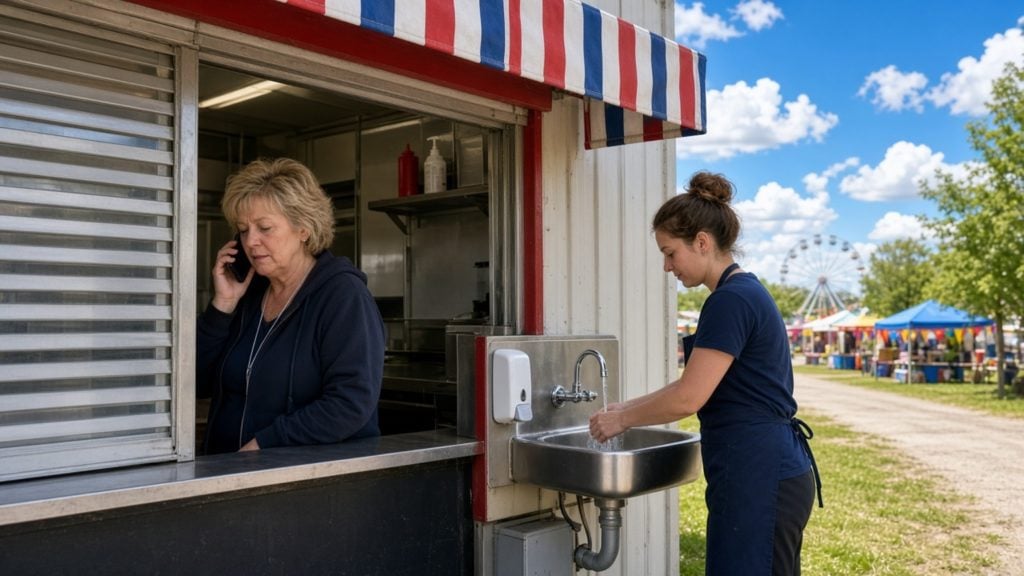
A sick call should trigger a reliable plan, not a debate about keeping the line moving. Give fair concession supervisors clear illness reporting, qualified coverage, cleanup ownership, and controlled service fallbacks before opening day arrives.
From the Livestock Barn to the Lunch Line: Fix the Handwashing Handoff

Guests move quickly from livestock exhibits to lunch, but handwashing cannot be an afterthought. Connect animal exits, public facilities, food placement, and maintenance ownership into a practical fairground handoff that works all day and night.
One Bad Vendor Can Tank Your Whole Fair’s Reputation — The 2026 Vetting Process That Actually Works
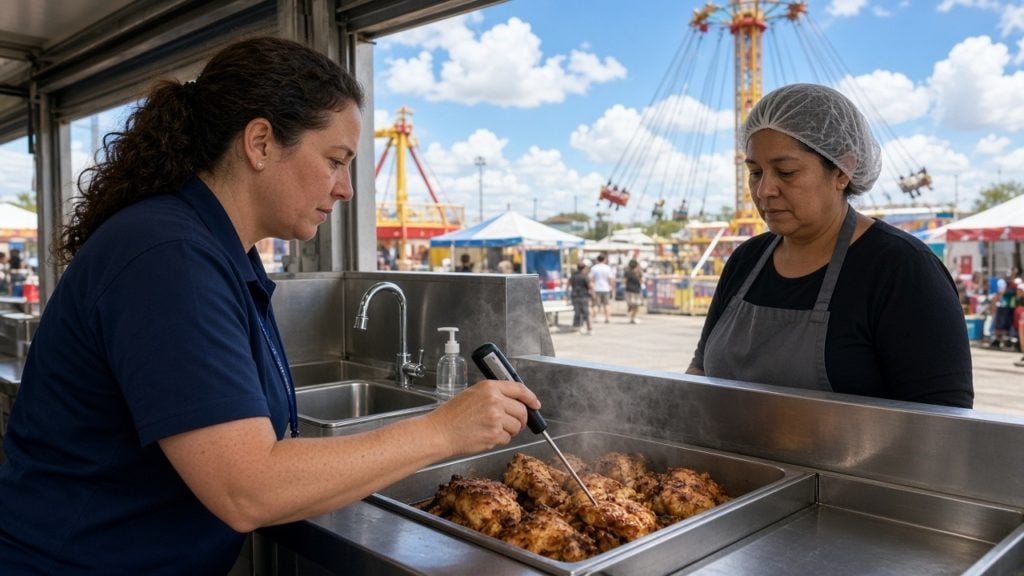
One careless vendor can put your whole fair in the local news for the wrong reasons. A practical fair vendor vetting process helps boards check food safety, service, and reliability before anyone signs a concession contract.