


Teen Workers Are Not Interchangeable Labor: Build an Age-Safe Fair Concession Roster
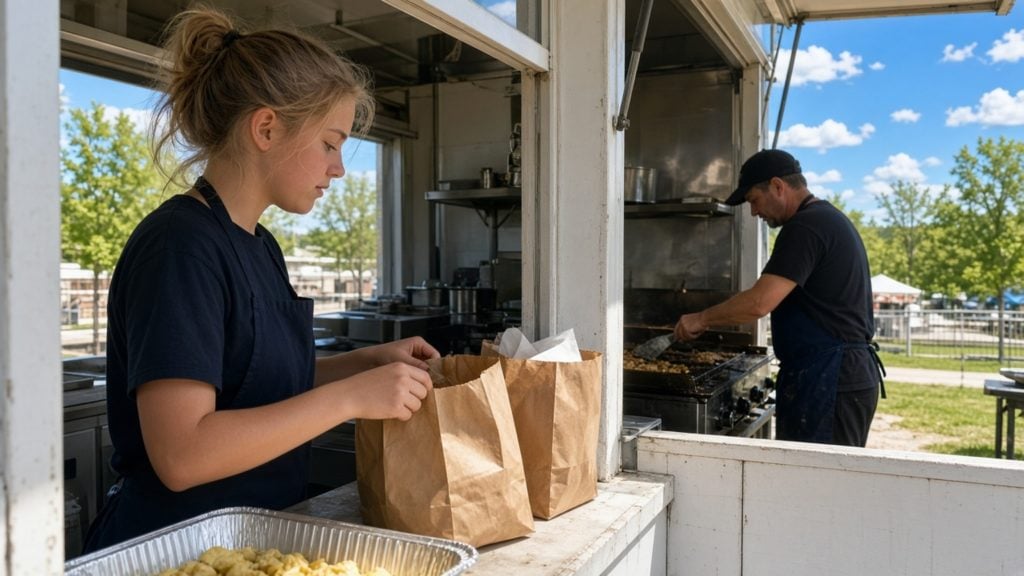
A full staffing roster can hide serious age-related assignment gaps. Build a fair concession plan that connects youth workers, permitted tasks, operating hours, adult coverage, and practical supervision before the first busy weekend arrives.
That Fryer Won’t Fix Itself in Storage — The Maintenance Decisions That Shape Next Season
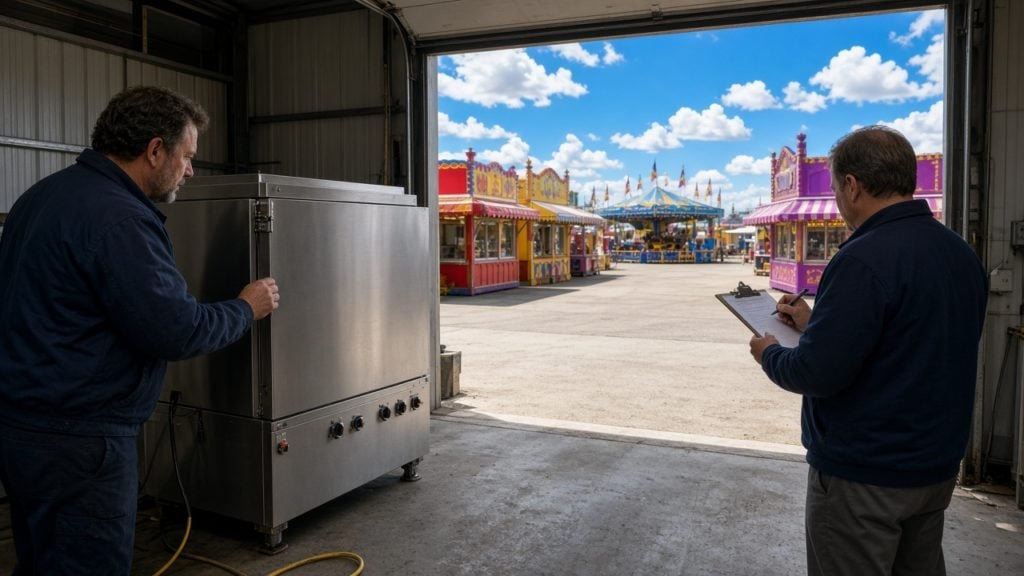
A fryer with an unresolved fault comes out of storage with the same problem. Strong fair concession equipment maintenance assigns every repair an owner after teardown, so next season starts with reliable gear instead of surprises.
The Complaint Reached the Board Before the Food Manager — Build a Guest Recovery Process

When a guest complaint reaches the board before the food manager, the process has failed. Build a fair food court guest recovery system that gives every concern a clear owner, a quick answer, and a fair resolution.
Who Gets the Tip? The Wage-Policy Argument You Want Settled Before Opening
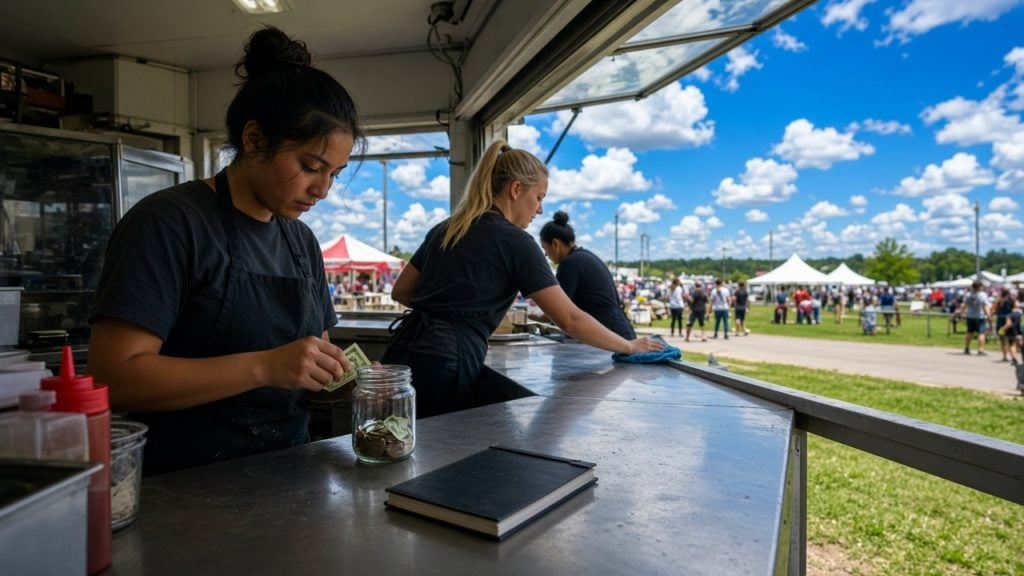
A tip jar raises real questions about who gets the money and whether supervisors share it. Set a clear California fair tip policy before opening day so crews, managers, and receipts all tell the same story.
Blue Sky at Opening, Smoke by Supper — Who Makes the Call When Air Quality Changes?

A clear opening morning does not guarantee clean air by dinner. A written fair air quality operations plan defines who checks conditions, who makes the call, and how vendors and guests hear the decision quickly.
Wind Doesn’t Care About Your Dinner Rush — The Weather Decision Plan Every Food Court Needs
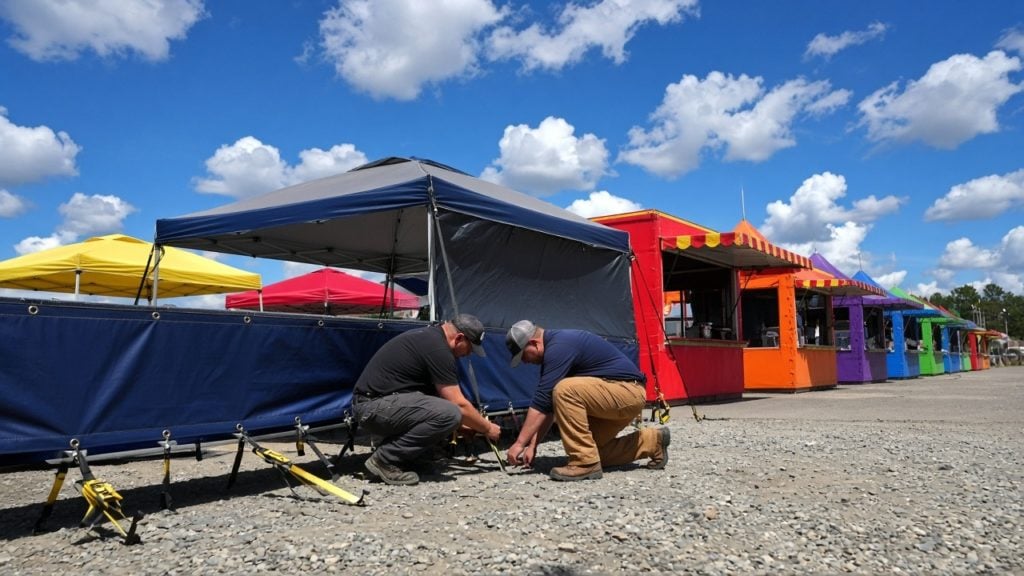
When a gust starts lifting canopies during the dinner rush, nobody should be debating who can stop service. A fair food court weather plan sets thresholds, authority, and communication before the wind picks up.
One Bad Alcohol Handoff Can Become the Whole Fair’s Problem — Build Responsible Service Into Operations
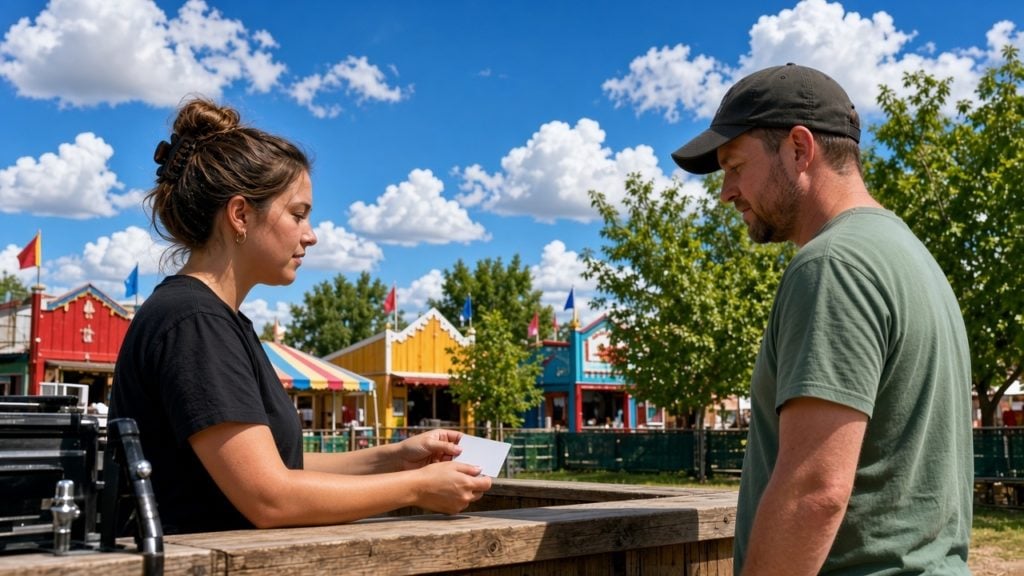
One bad alcohol handoff can become the whole fair’s problem. Responsible alcohol service at fairs depends on clear authority, trained servers, and supervisors who back decisions, not just wristbands and a licensing binder on a shelf.
The Menu Says One Price. The Guest Pays Another. Stop the Food-Court Sticker Shock
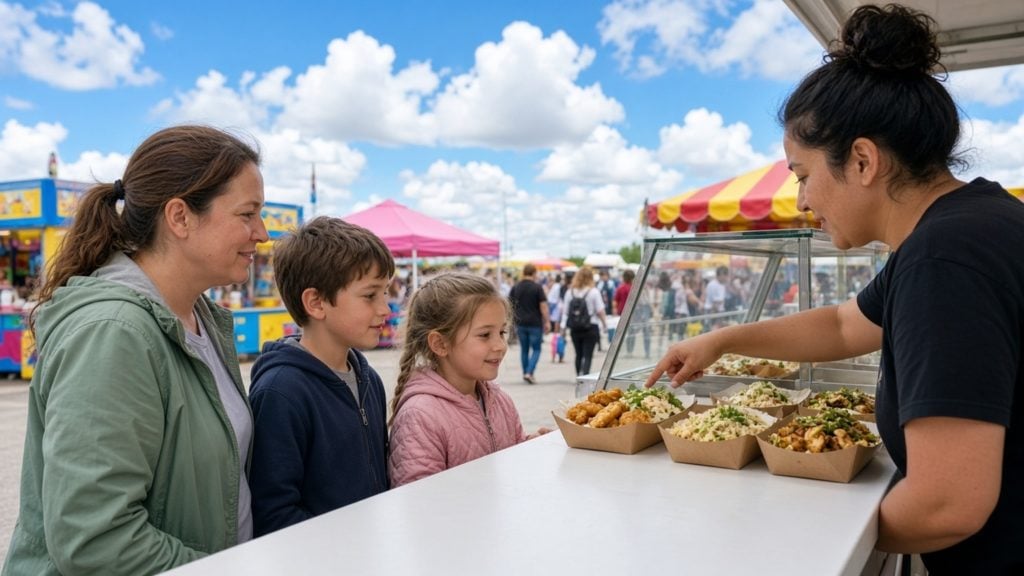
Nothing slows a line like a guest surprised by the price at the counter. Fair menu price transparency means clear sizes, visible add-ons, and upfront charges, so cashiers take orders instead of explaining confusing menu boards.
“Is There Sesame in That?” — Why Allergen Answers Cannot Depend on Who Is Working
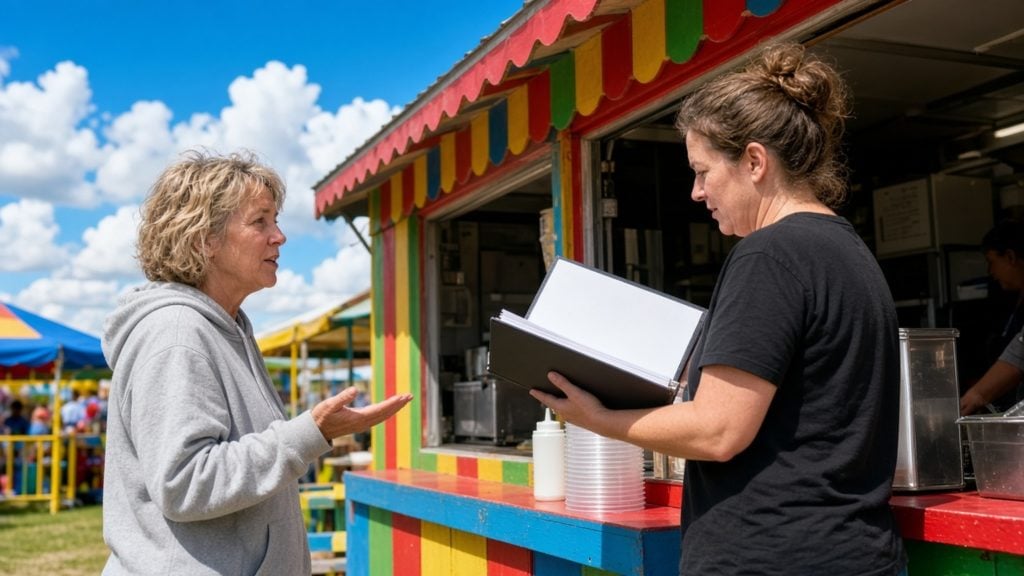
Allergen questions should never become a memory test for whoever is working. Reliable fair concessions allergen information needs a current source, a clear owner, and an escalation path that protects guests and the staff answering them.
“The Fire Marshal Says We Can’t Open” — Propane Planning Before the First Flame
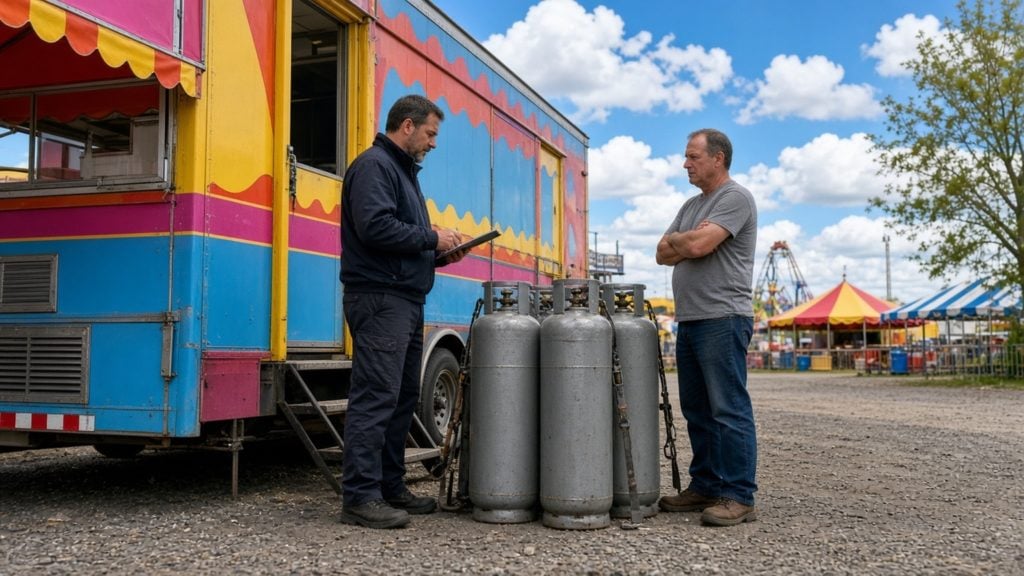
A cooking setup that worked at another event can still fail a fire inspection here. Smart fair propane planning settles fuel arrangements, layout, and location-specific requirements early, so the first flame lights on schedule.