

The Food Inventory Disaster Hitting Fairs in 2026
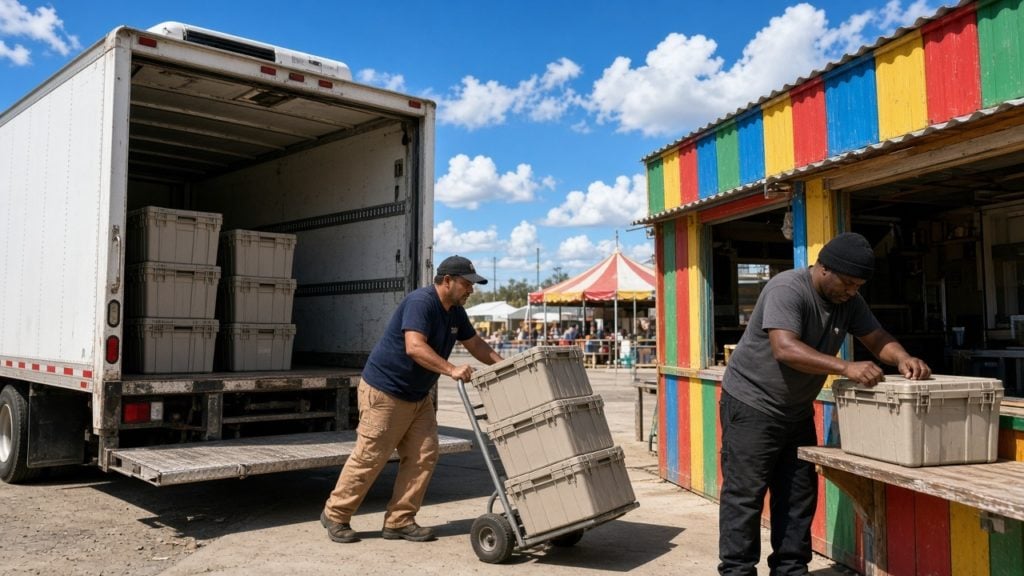
Running out of a best-selling item on day three can quietly drain a short selling window. Practical fair concession inventory management helps forecast demand, stage backup stock, and protect revenue before guests see empty menus.
Extended Hours, Bigger Crowds, Same Staff: The Burnout Crisis Facing 2026 County Fairs
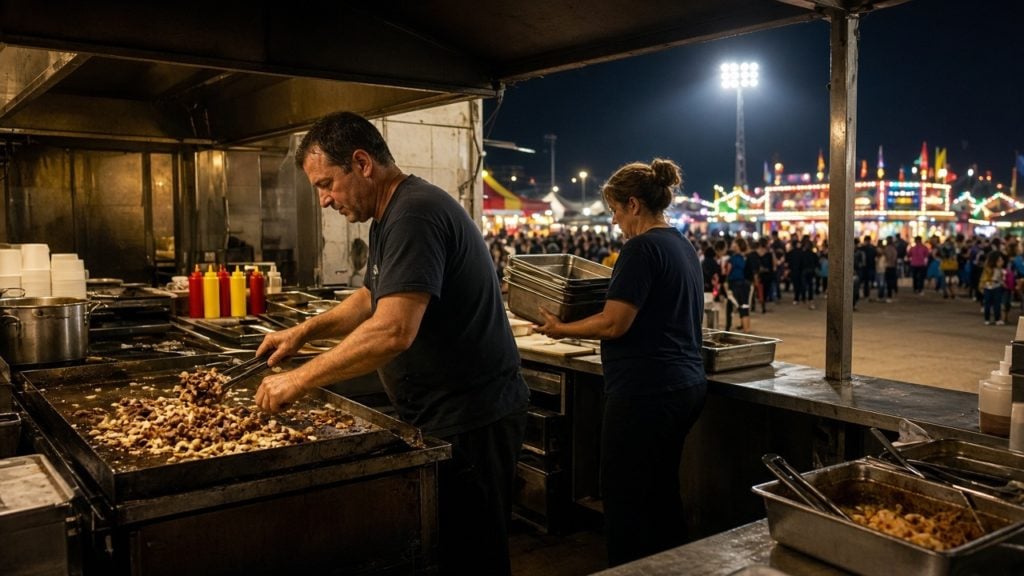
Adding evening hours sounds simple in a board meeting, but it stretches booth crews further every day. Learn how to spot county fair concession burnout early and plan staffing, breaks, and recovery that keep service steady.
The Cooler Is Warming: Make the Food Decision Before the Electrician Arrives
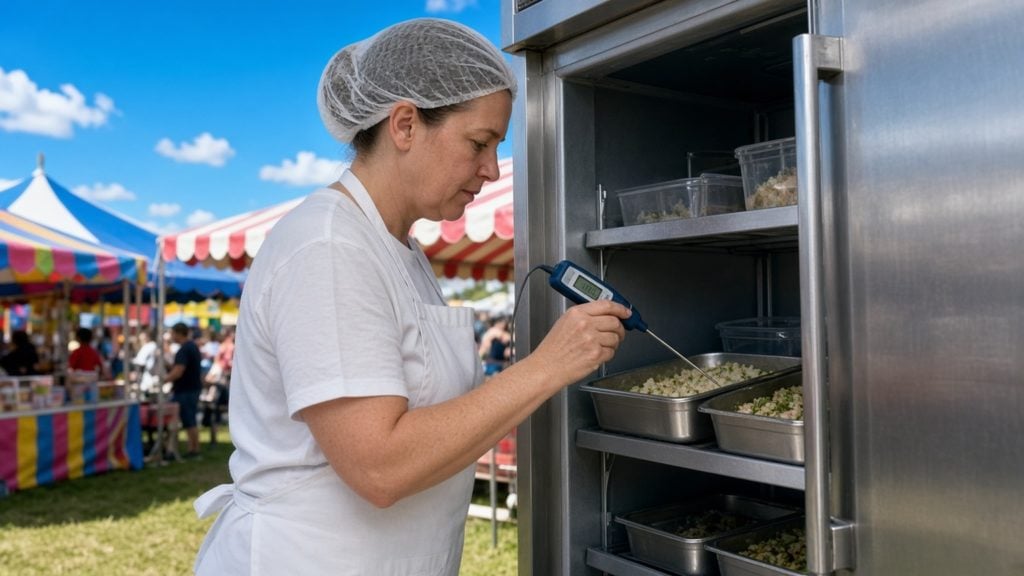
A repaired refrigerator does not erase the food’s temperature history. Give your fair concession team clear product holds, documented evidence, usable backup capacity, and separate food-safety and equipment decisions before the next interruption happens.
The 2026 Food-Safety Hammer Is Dropping — Why More County Fairs Are Getting Hit with Surprise Violations
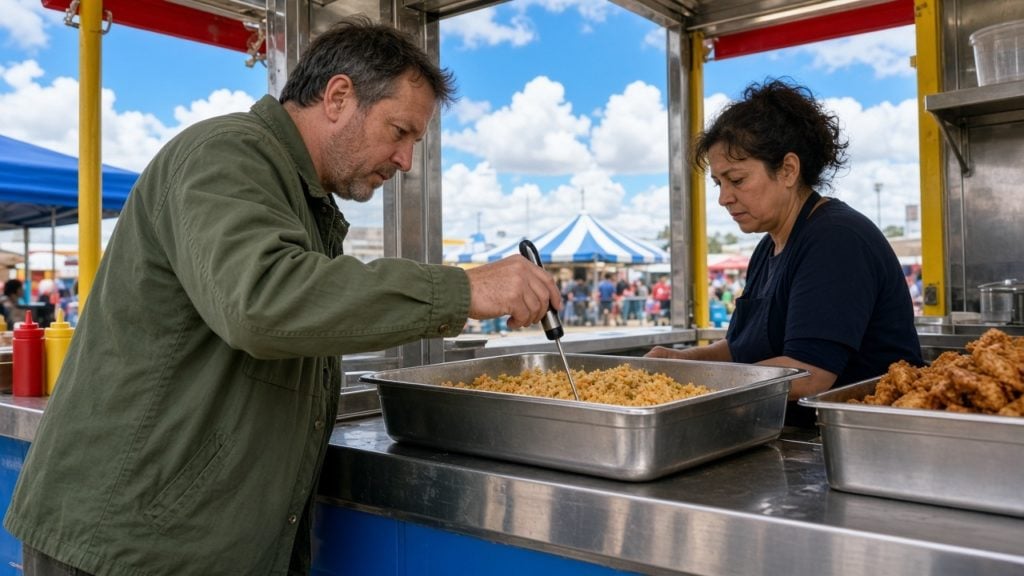
An empty soap dispenser or unsafe holding temperature can shut down a booth on its busiest day. This look at fair concession food safety covers the established rules and preparation that keep inspections from becoming emergencies.
A Signed Training Sheet Does Not Mean Your Fair Crew Understood the Job

Signed orientation sheets do not prove a crew understood the work. Strengthen fair concession training with clear language, live demonstrations, respectful teach-back, product-specific instructions, and shift handoffs that remain usable during the busiest service periods.
Labor Shortage Season Is Here Again — How Fairs Are Losing $50K+ in One Weekend from No-Shows
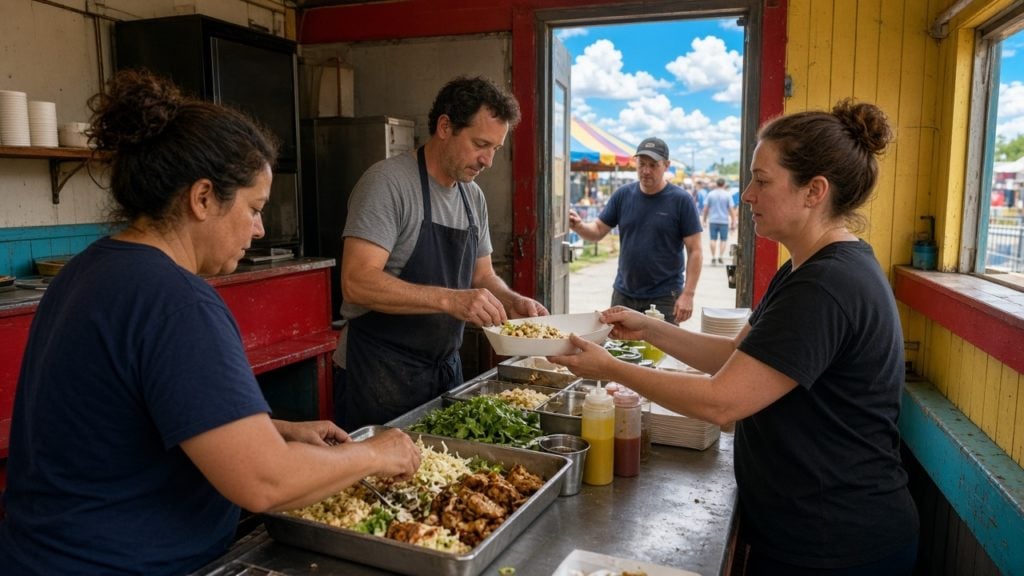
A few Saturday no-shows can cut sales capacity across an entire food court. Smart fair concession staffing plans for absences, cross-training, and gate access so missing workers do not turn into missing revenue for the fair.
Insurance Premiums Are Up 30% — The Hidden Concession Risk Fairs Can No Longer Ignore
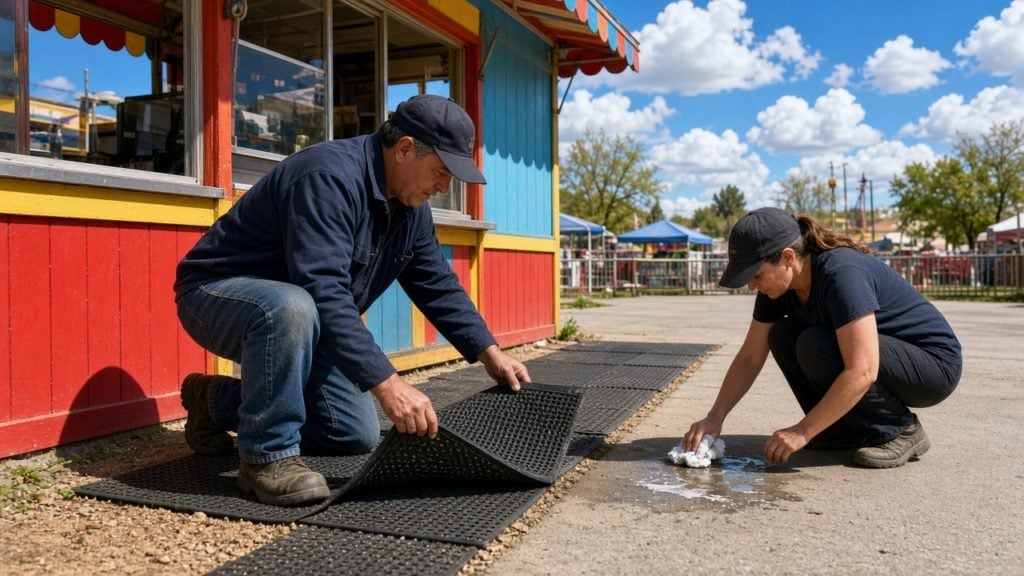
Insurance belongs in the concessions operating plan, not just the renewal packet. Understanding fair concession insurance risk helps boards connect busy food windows, rushed employees, and guest injuries to the premiums they ultimately pay.
The Ice Run Is Part of Food Safety: Protect Every Cup From Delivery to Service
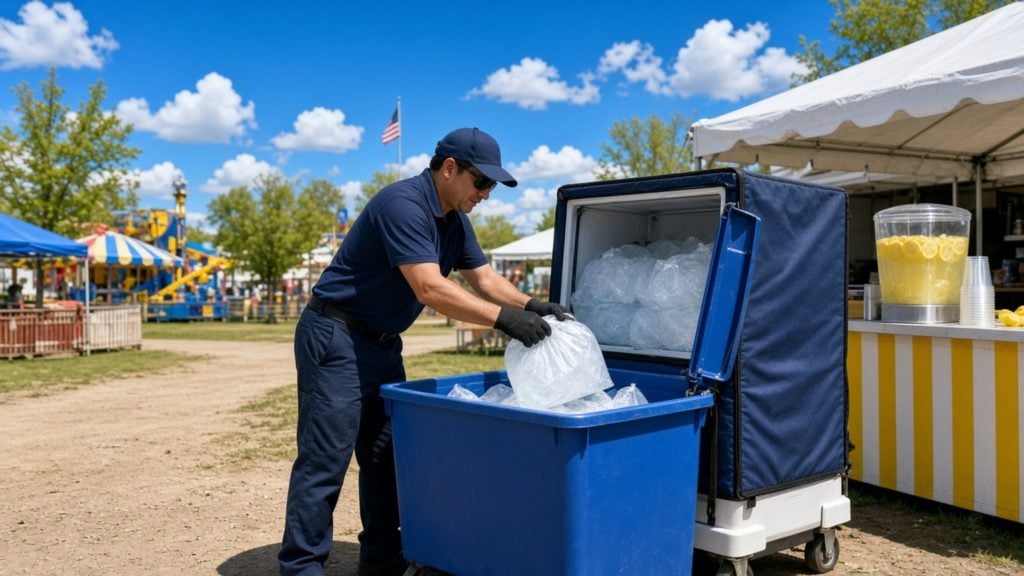
Every cup depends on an ice-handling chain guests never see. Protect your fair beverage program with approved supply, controlled deliveries, separate cooling uses, clean utensils, and practical responses when demand or equipment creates pressure.
Sustainability Isn’t Optional Anymore — Why 2026 Fairs Are Getting Pressured on Waste and Packaging
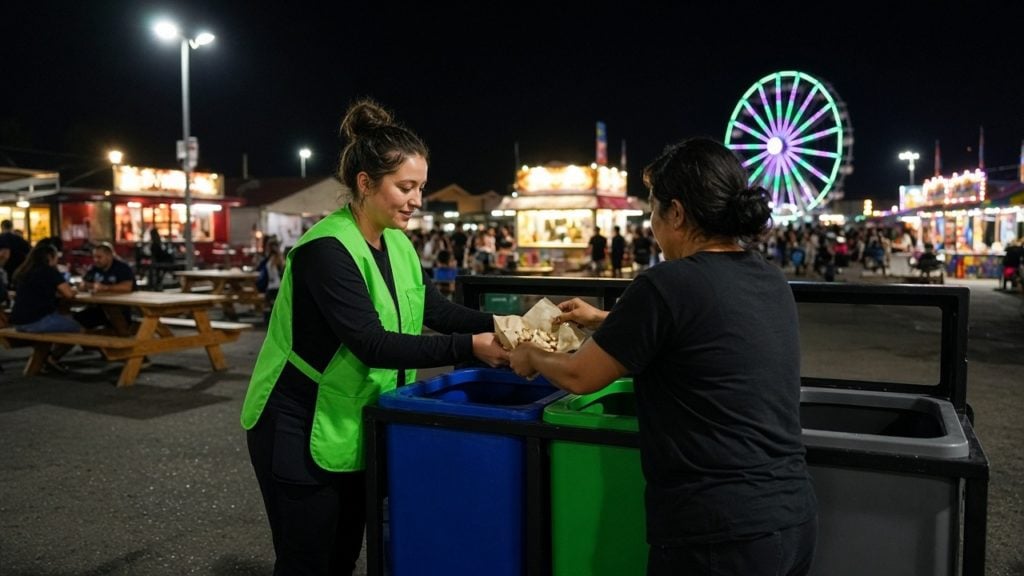
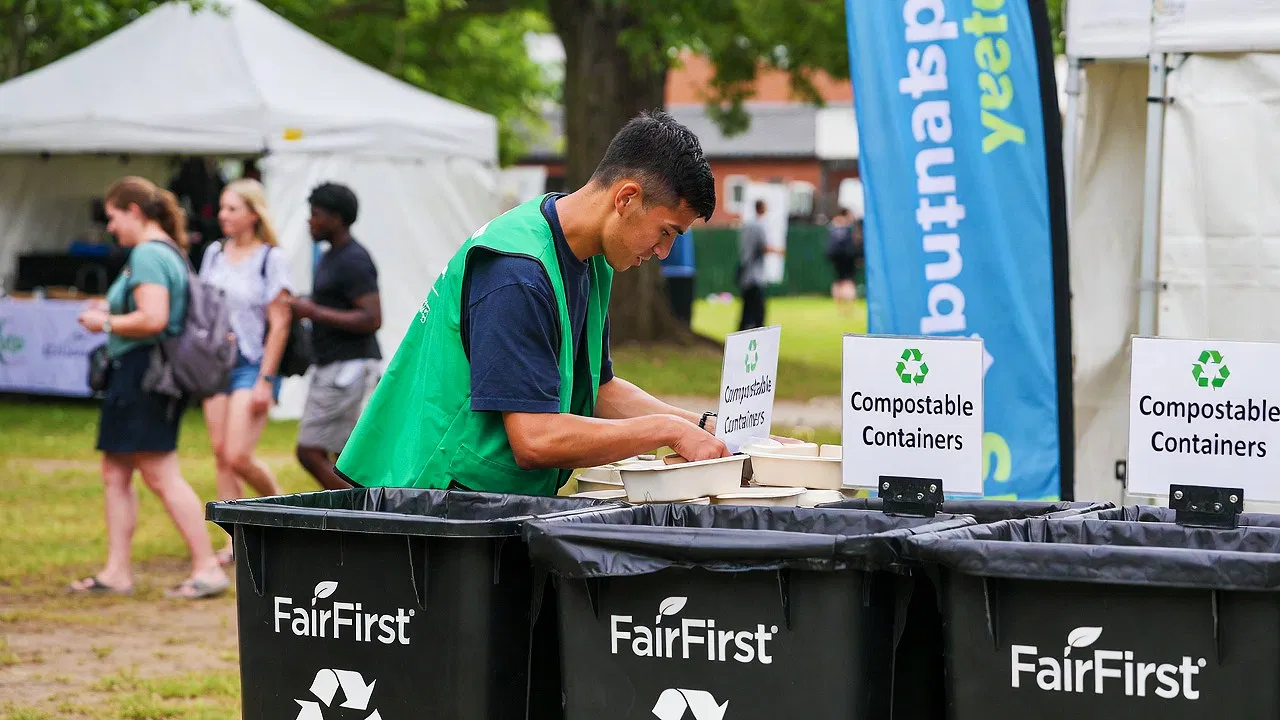
Overflowing trash cans behind the food court are now a compliance issue as well as an image problem. Get an overview of California fair waste and packaging rules and how vendors can meet them without slowing service.
A Sick Call Is a Food-Safety Decision, Not a Staffing Negotiation
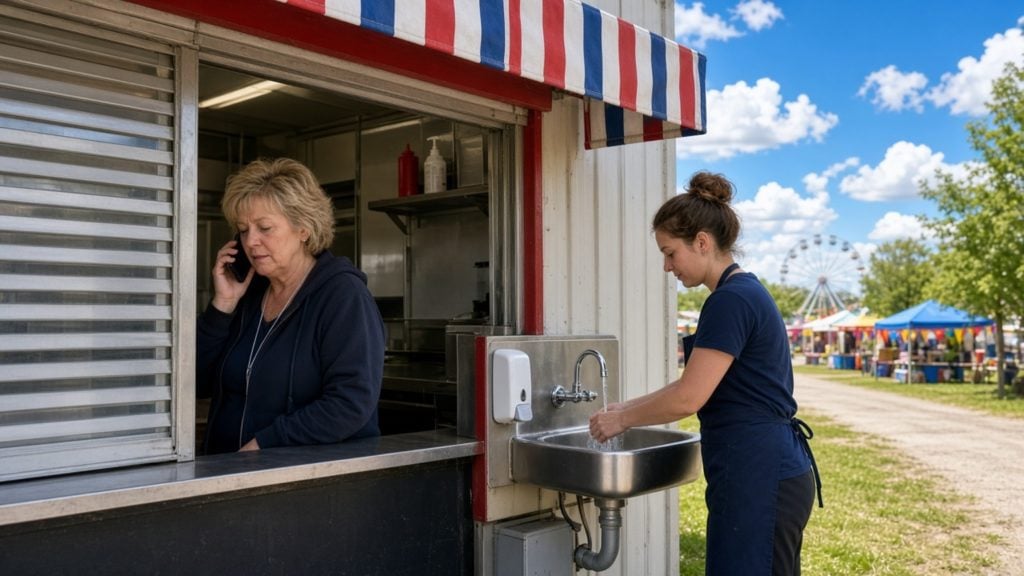
A sick call should trigger a reliable plan, not a debate about keeping the line moving. Give fair concession supervisors clear illness reporting, qualified coverage, cleanup ownership, and controlled service fallbacks before opening day arrives.