


One Bad Vendor Can Tank Your Whole Fair’s Reputation — The 2026 Vetting Process That Actually Works
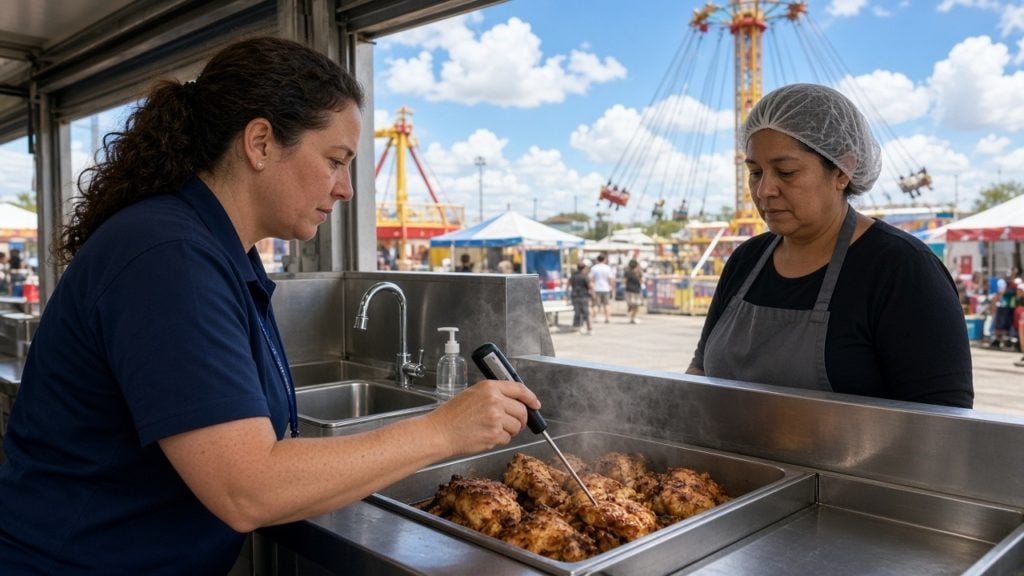
One careless vendor can put your whole fair in the local news for the wrong reasons. A practical fair vendor vetting process helps boards check food safety, service, and reliability before anyone signs a concession contract.
Teen Workers Are Not Interchangeable Labor: Build an Age-Safe Fair Concession Roster
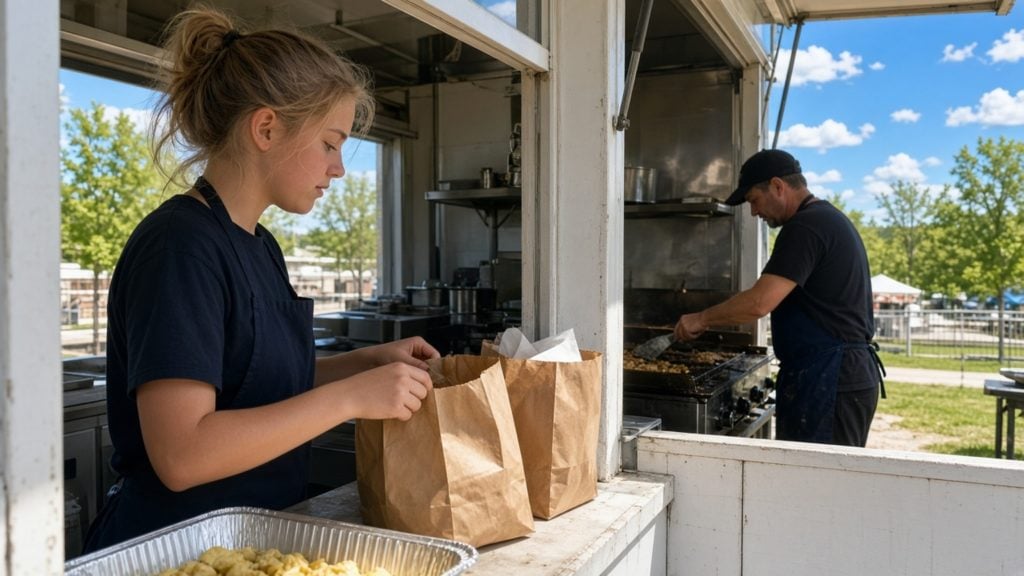
A full staffing roster can hide serious age-related assignment gaps. Build a fair concession plan that connects youth workers, permitted tasks, operating hours, adult coverage, and practical supervision before the first busy weekend arrives.
That Fryer Won’t Fix Itself in Storage — The Maintenance Decisions That Shape Next Season
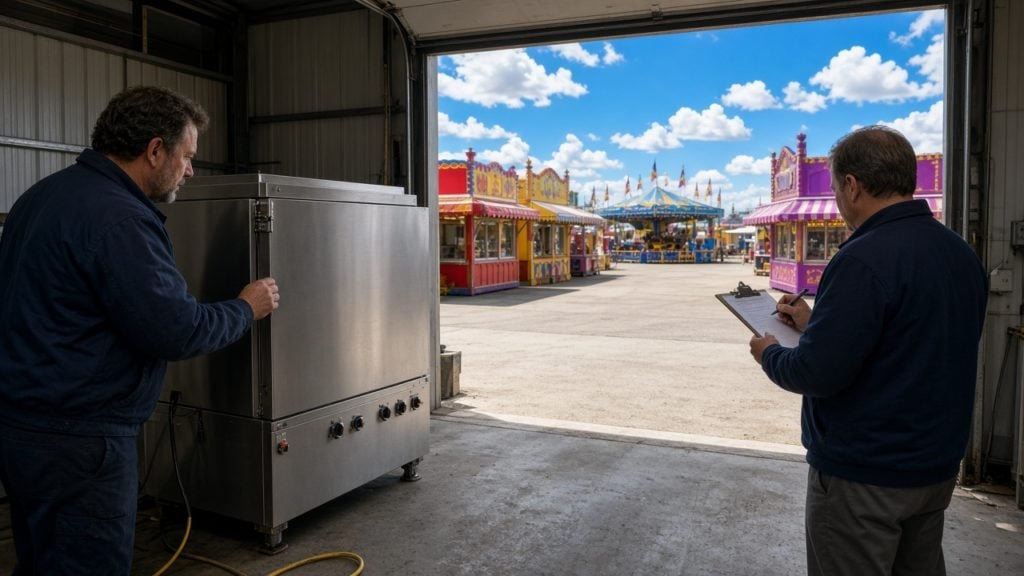
A fryer with an unresolved fault comes out of storage with the same problem. Strong fair concession equipment maintenance assigns every repair an owner after teardown, so next season starts with reliable gear instead of surprises.
“They’re Staying on the Grounds” Is Not a Housing Plan — Get Seasonal Lodging Responsibilities in Writing
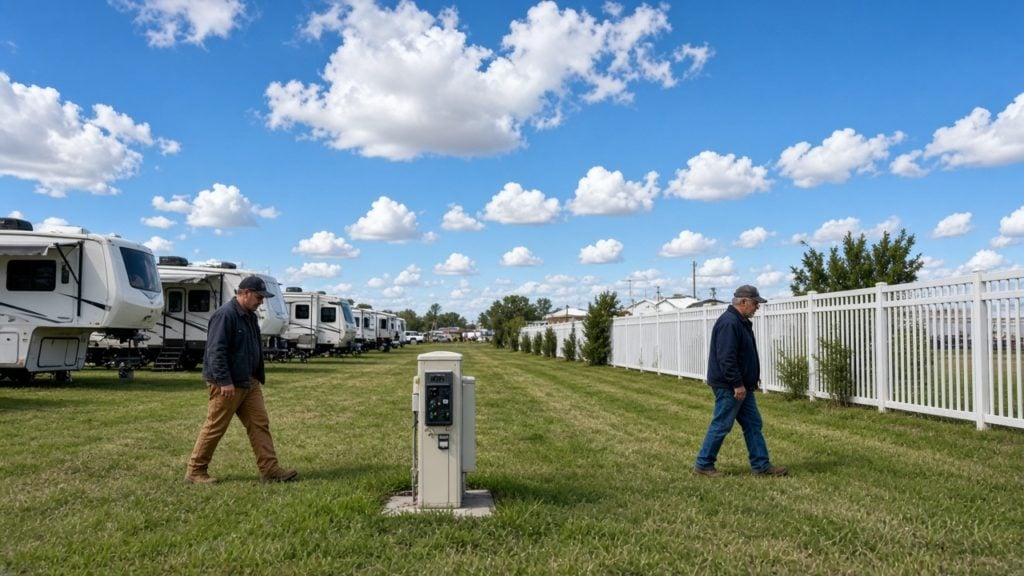
Telling vendors they can stay on the grounds is not a housing arrangement. A written seasonal fairground lodging plan settles RV placement, sanitation, power, and responsibilities before small assumptions become overnight problems for your staff.
Blue Sky at Opening, Smoke by Supper — Who Makes the Call When Air Quality Changes?

A clear opening morning does not guarantee clean air by dinner. A written fair air quality operations plan defines who checks conditions, who makes the call, and how vendors and guests hear the decision quickly.
Wind Doesn’t Care About Your Dinner Rush — The Weather Decision Plan Every Food Court Needs
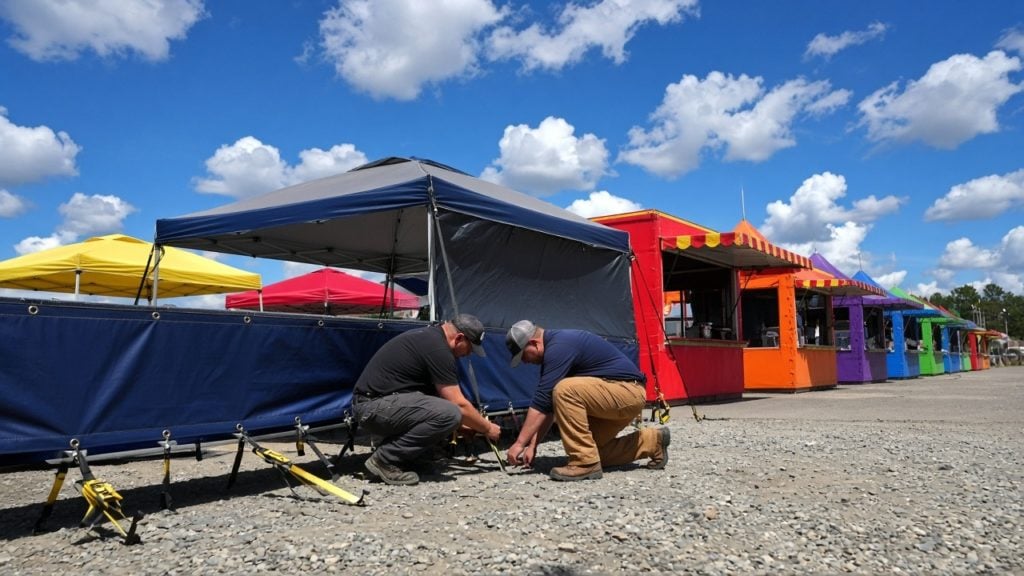
When a gust starts lifting canopies during the dinner rush, nobody should be debating who can stop service. A fair food court weather plan sets thresholds, authority, and communication before the wind picks up.
One Bad Alcohol Handoff Can Become the Whole Fair’s Problem — Build Responsible Service Into Operations
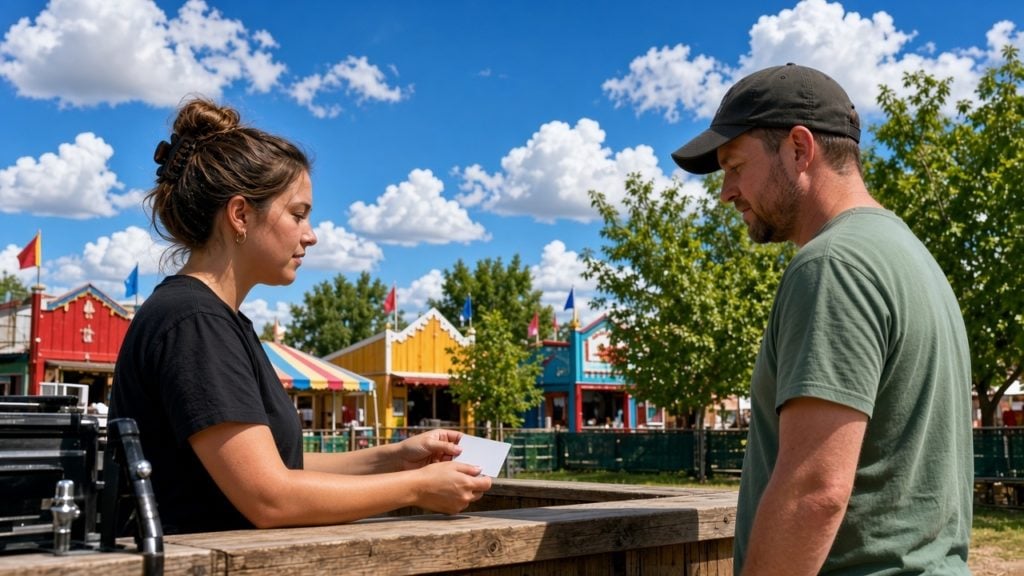
One bad alcohol handoff can become the whole fair’s problem. Responsible alcohol service at fairs depends on clear authority, trained servers, and supervisors who back decisions, not just wristbands and a licensing binder on a shelf.
Guests Came for the Fair, Not a Sunburned Lunch Line — Fix the Shade Gap
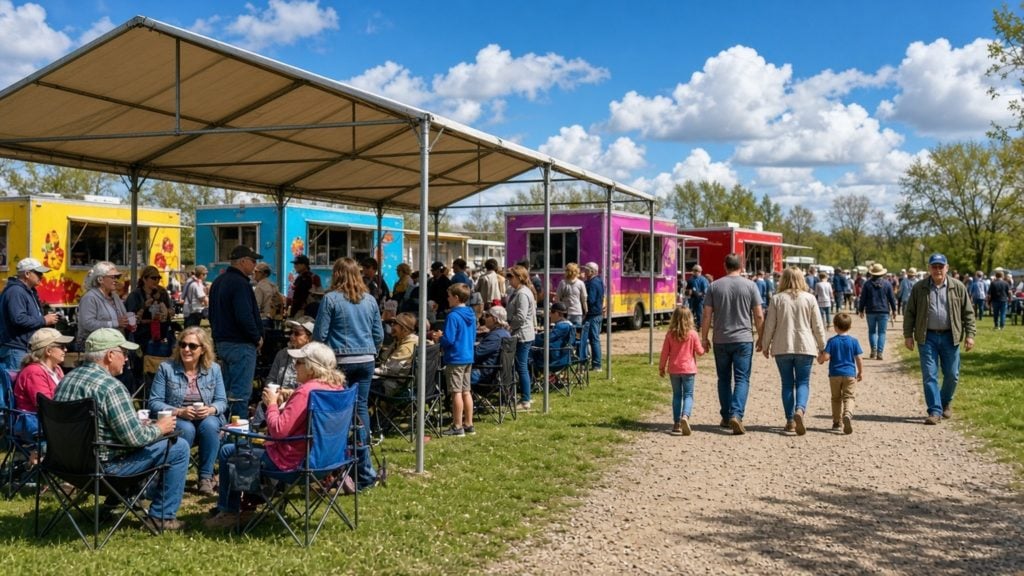
Shade over the tables does little for guests baking in a lunch line. Fair guest shade and heat planning looks at where people actually wait, so the hottest part of the visit becomes a cooler, safer one.
“Is There Sesame in That?” — Why Allergen Answers Cannot Depend on Who Is Working
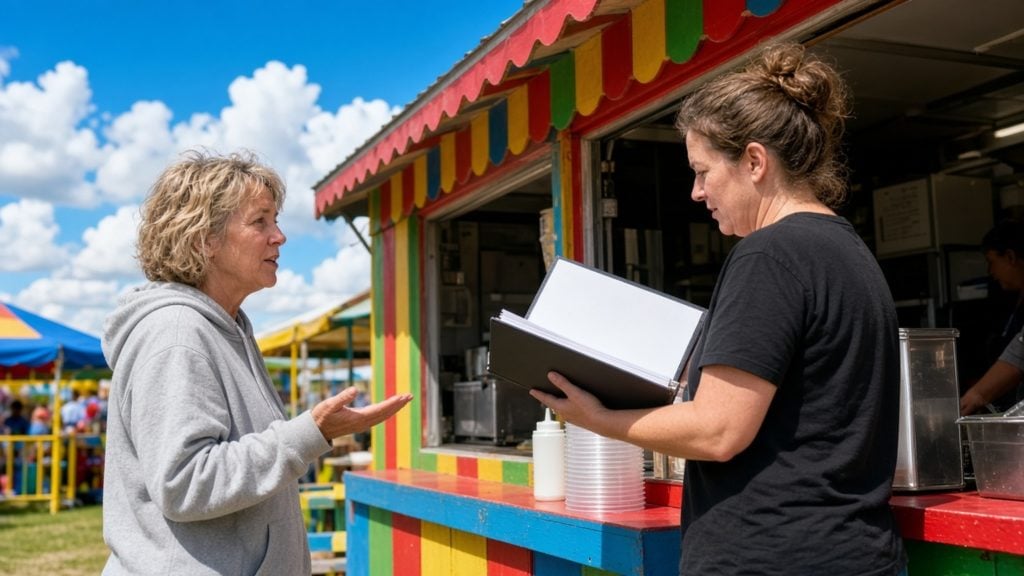
Allergen questions should never become a memory test for whoever is working. Reliable fair concessions allergen information needs a current source, a clear owner, and an escalation path that protects guests and the staff answering them.
“The Fire Marshal Says We Can’t Open” — Propane Planning Before the First Flame
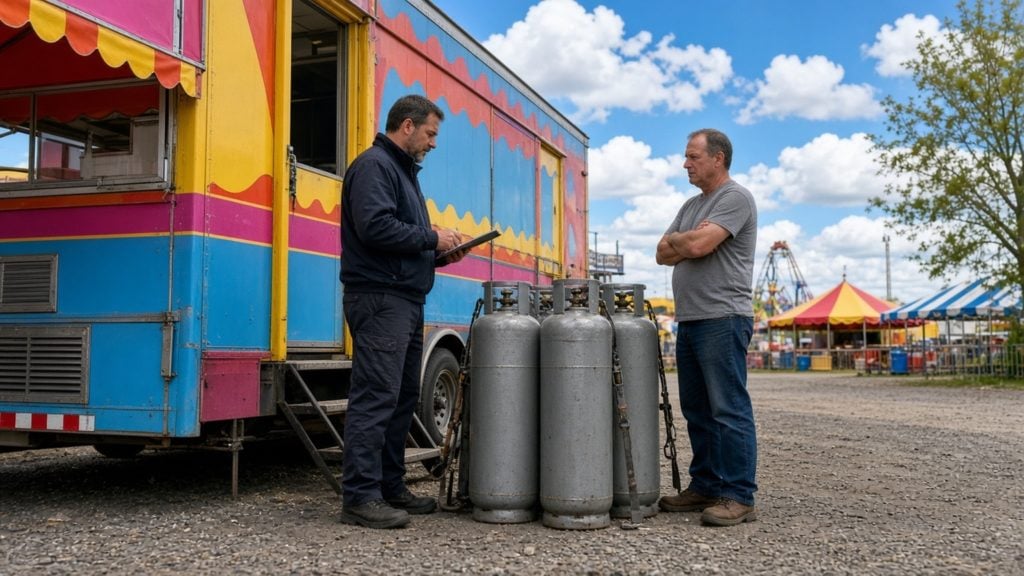
A cooking setup that worked at another event can still fail a fire inspection here. Smart fair propane planning settles fuel arrangements, layout, and location-specific requirements early, so the first flame lights on schedule.