


The Last Cleaning Shift Can Create Next Season’s Problem: Control Concession Chemicals

The final cleaning shift can leave hidden hazards for the next crew. Strengthen concession chemical controls with product inventories, understandable instructions, suitable protection, separate storage, and a documented teardown handoff before next season begins.
The Restock Truck Cannot Share the Lunch Line: Build Safer Fair Delivery Windows
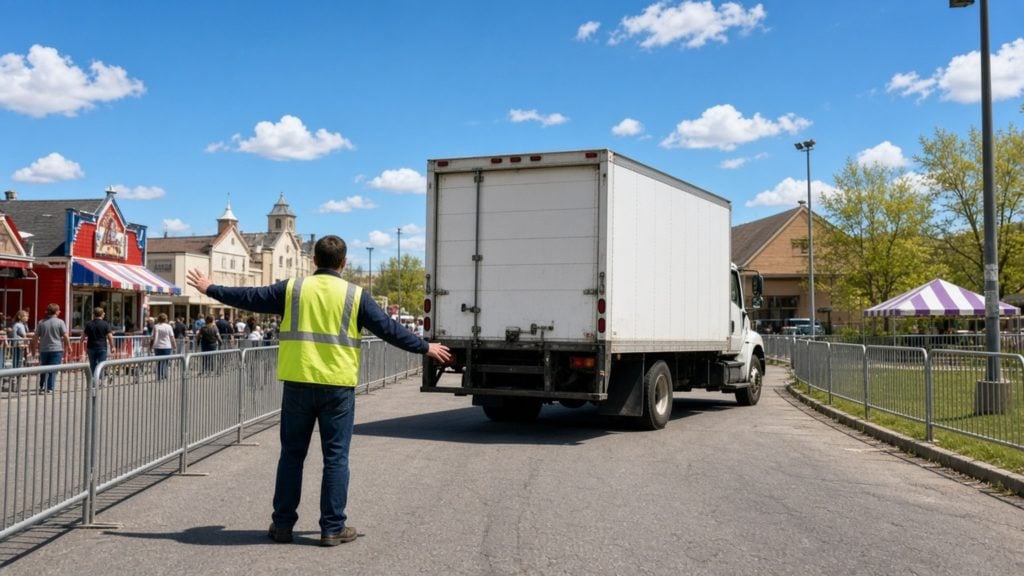
An urgent restock should not send a truck through the lunch crowd. Connect fair delivery windows, receiving staff, pedestrian separation, driver instructions, and late-arrival decisions into a safer replenishment plan for every operating shift.
That Vendor Fee Request Might Not Be From Your Fair: Close the Application Scam Gap
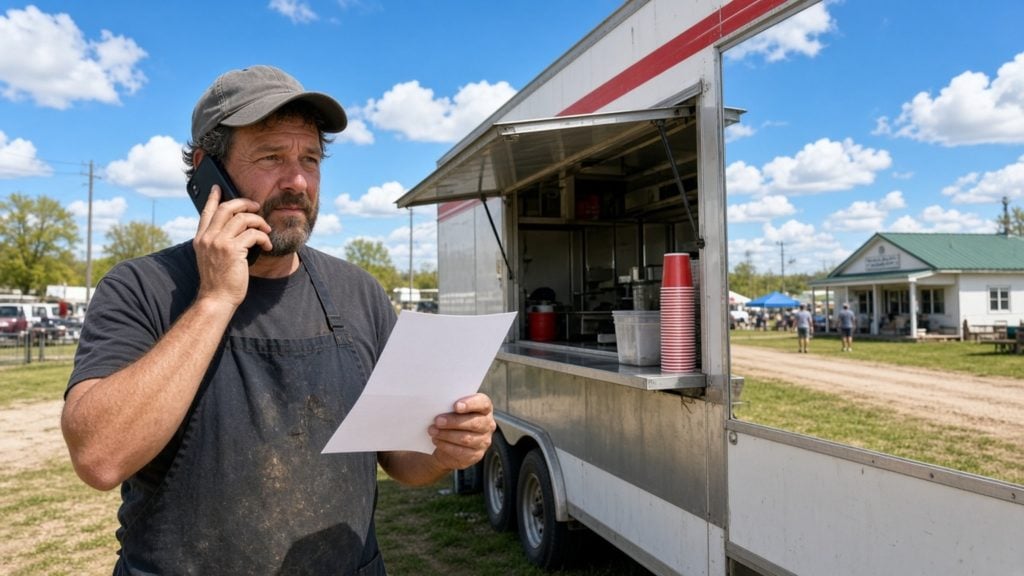
A convincing application message can redirect vendor money and disrupt legitimate bookings. Make your fair’s authentic process easy to verify with clear approvals, consistent invoices, independent payment checks, and practical account-security handoffs throughout the season.
Cashless or Cash Chaos? Why 2026 Fairs Are Finally Ditching the “No-Sale” Key Nightmares
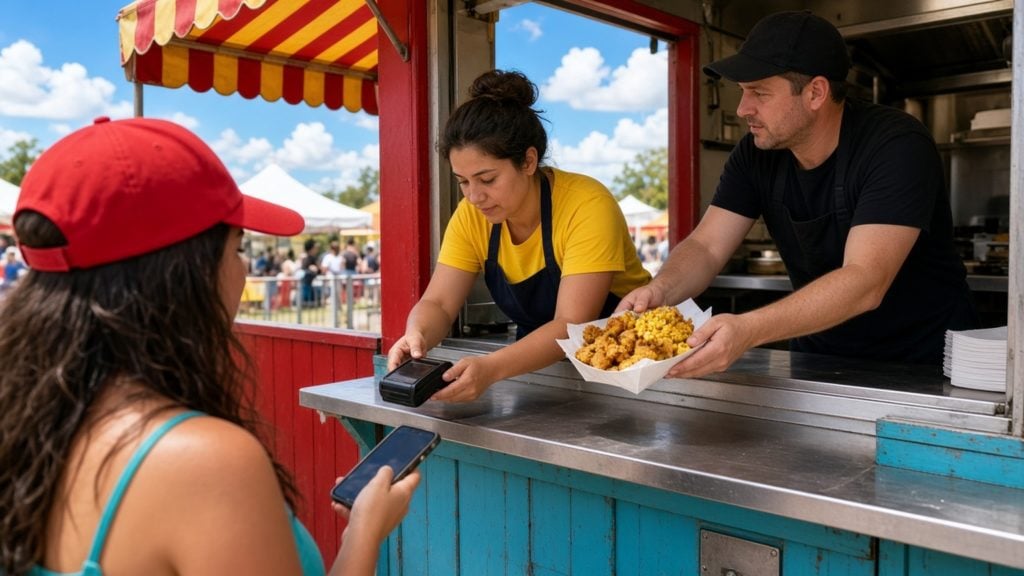
Going cashless will not fix a transaction that leaves no trustworthy trail. Strong fair cash controls connect registers, refunds, and commission reports so boards can explain every gap instead of guessing at what went wrong.
The Generator Is Outside. Why Are Guests Still Breathing Exhaust?
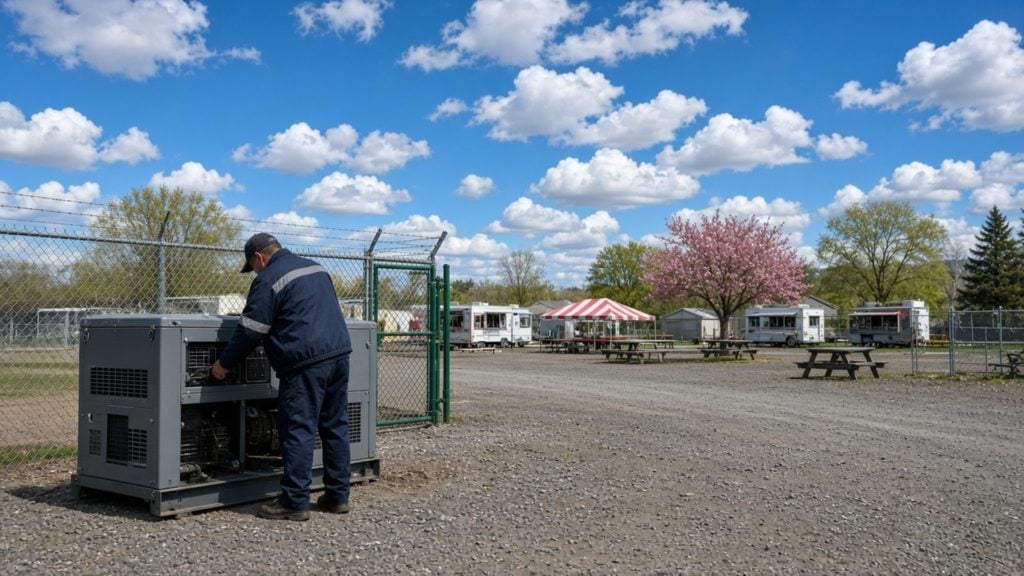
Outdoor generator placement can still put workers and guests in the path of exhaust. Coordinate fair food-truck power, occupied spaces, technical review, reporting, and controlled changes before a convenient location becomes an avoidable exposure problem.
Extended Hours, Bigger Crowds, Same Staff: The Burnout Crisis Facing 2026 County Fairs
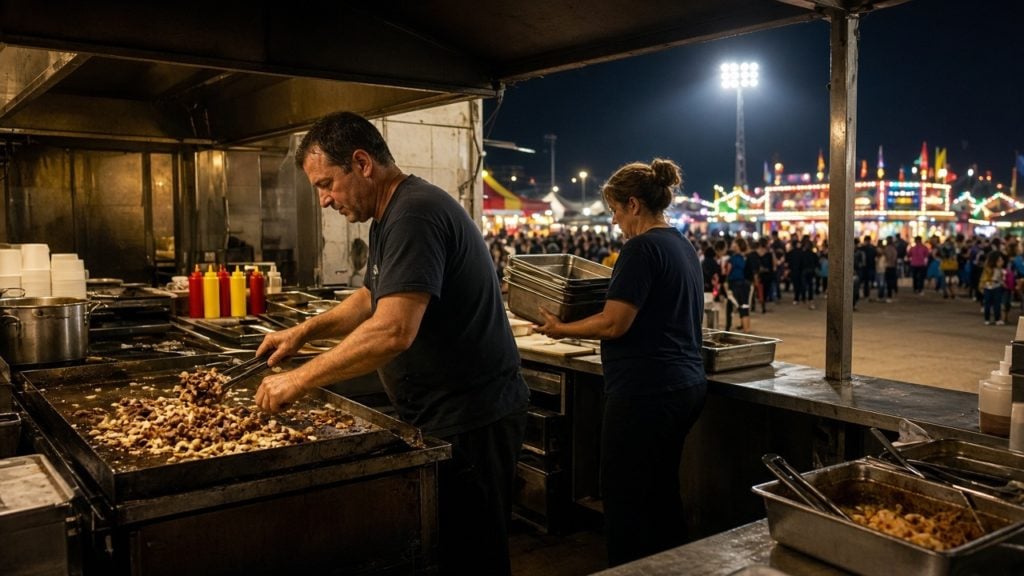
Adding evening hours sounds simple in a board meeting, but it stretches booth crews further every day. Learn how to spot county fair concession burnout early and plan staffing, breaks, and recovery that keep service steady.
The Cooler Is Warming: Make the Food Decision Before the Electrician Arrives
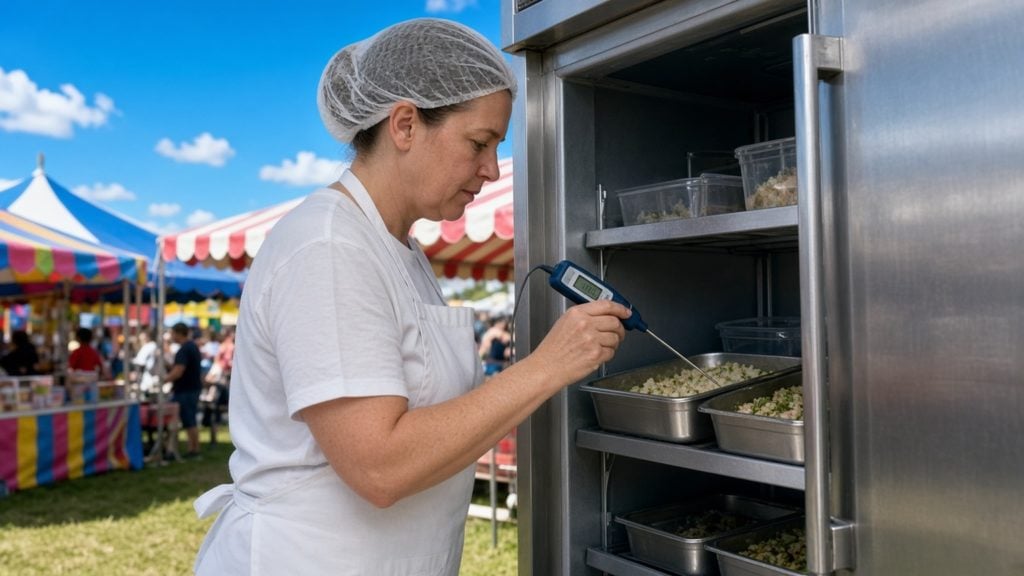
A repaired refrigerator does not erase the food’s temperature history. Give your fair concession team clear product holds, documented evidence, usable backup capacity, and separate food-safety and equipment decisions before the next interruption happens.
A Signed Training Sheet Does Not Mean Your Fair Crew Understood the Job
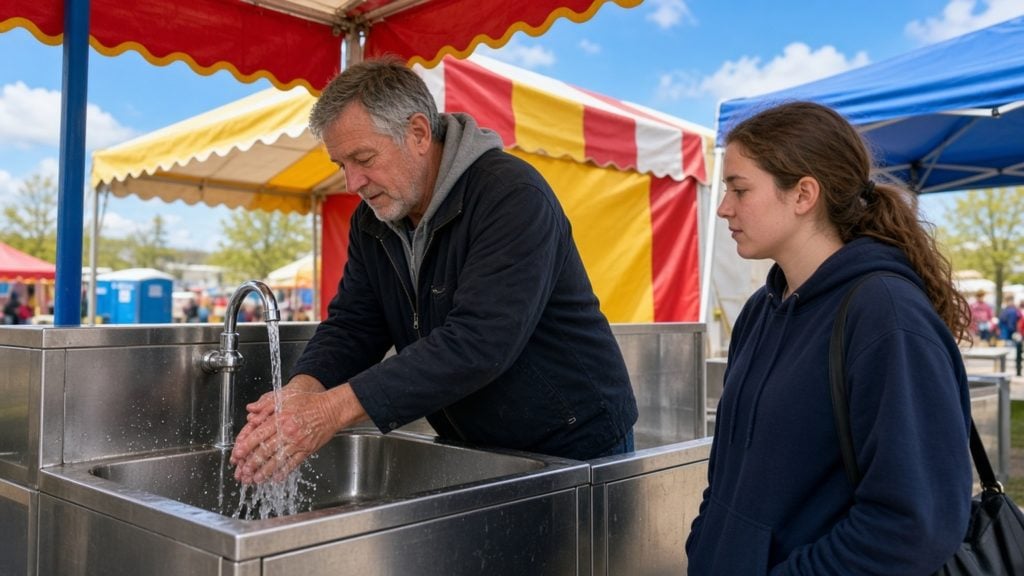
Signed orientation sheets do not prove a crew understood the work. Strengthen fair concession training with clear language, live demonstrations, respectful teach-back, product-specific instructions, and shift handoffs that remain usable during the busiest service periods.
Insurance Premiums Are Up 30% — The Hidden Concession Risk Fairs Can No Longer Ignore
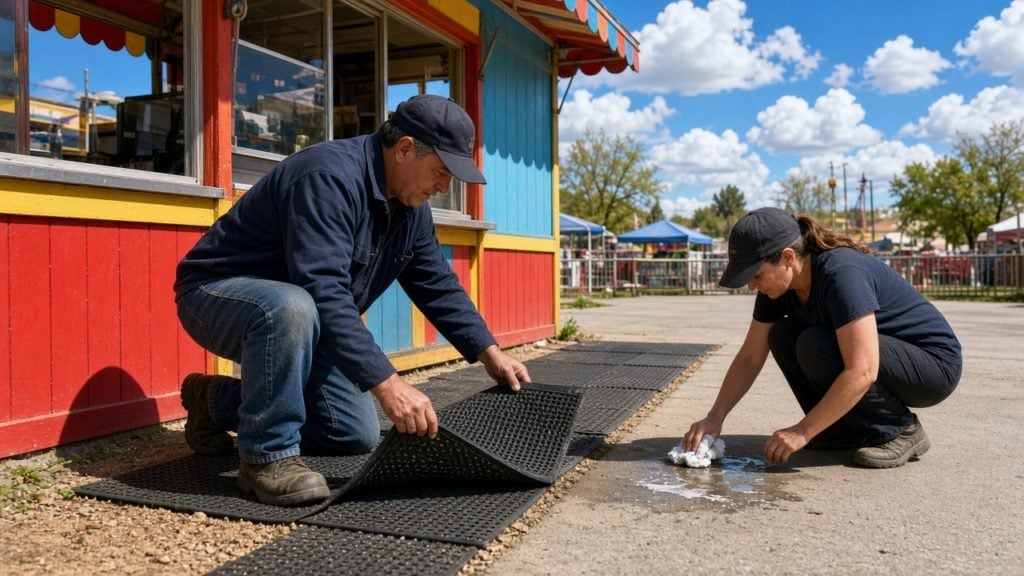
Insurance belongs in the concessions operating plan, not just the renewal packet. Understanding fair concession insurance risk helps boards connect busy food windows, rushed employees, and guest injuries to the premiums they ultimately pay.
A Sick Call Is a Food-Safety Decision, Not a Staffing Negotiation
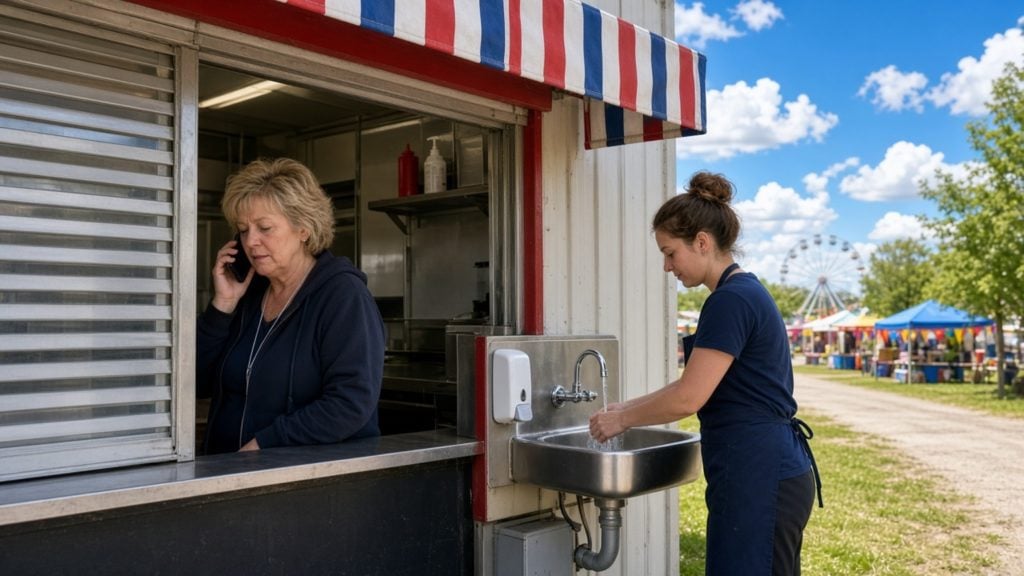
A sick call should trigger a reliable plan, not a debate about keeping the line moving. Give fair concession supervisors clear illness reporting, qualified coverage, cleanup ownership, and controlled service fallbacks before opening day arrives.