


The Restock Truck Cannot Share the Lunch Line: Build Safer Fair Delivery Windows
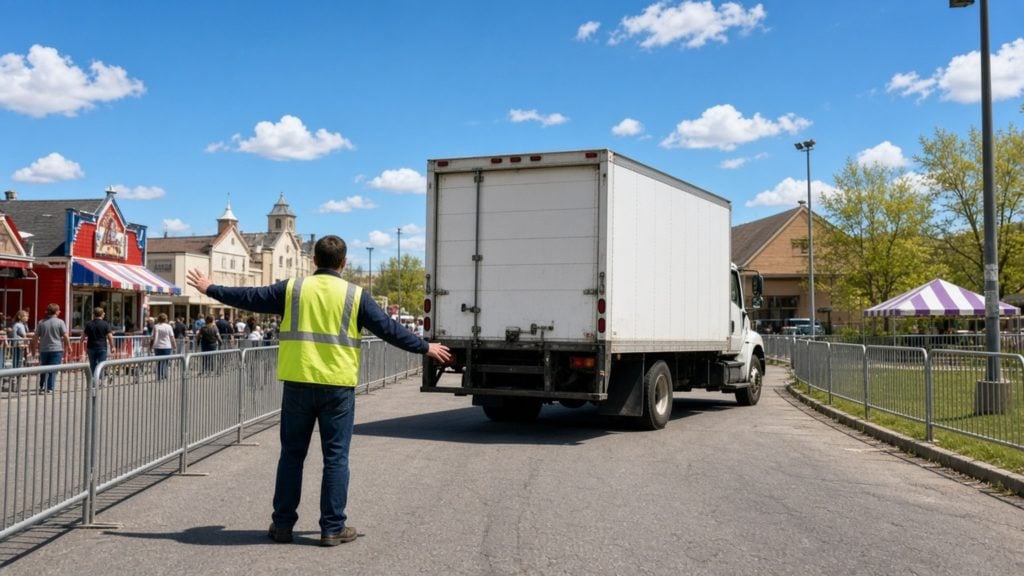
An urgent restock should not send a truck through the lunch crowd. Connect fair delivery windows, receiving staff, pedestrian separation, driver instructions, and late-arrival decisions into a safer replenishment plan for every operating shift.
From Vendor Applications to Teardown in 10 Days — Why Most Fairs Are Drowning in 2026 Logistics
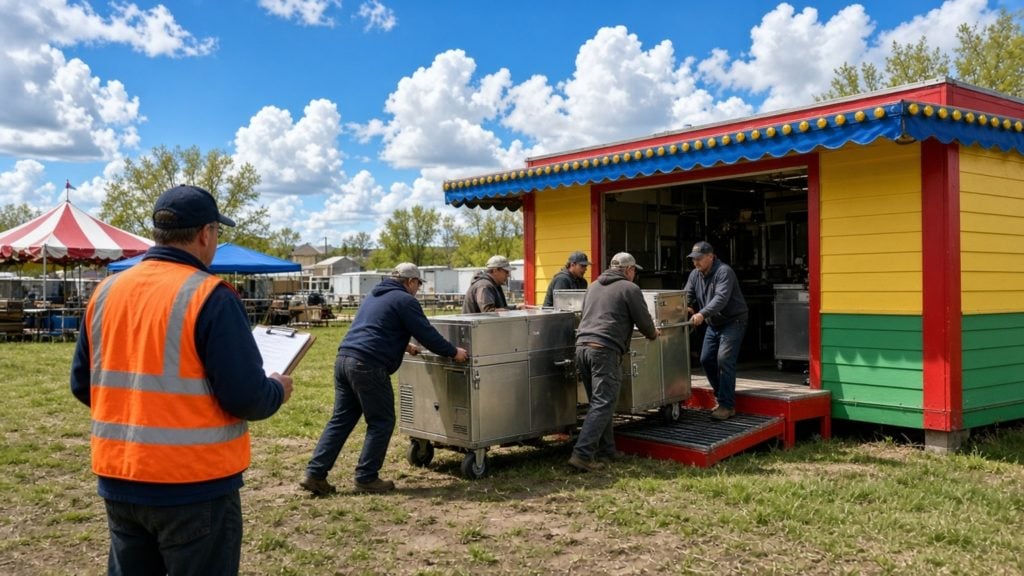
Vendor applications, insurance documents, power requests, and move-in all land on the same exhausted office. This guide to fair concessions logistics shows how to sequence the work so opening week feels organized instead of overwhelming.
Extended Hours, Bigger Crowds, Same Staff: The Burnout Crisis Facing 2026 County Fairs
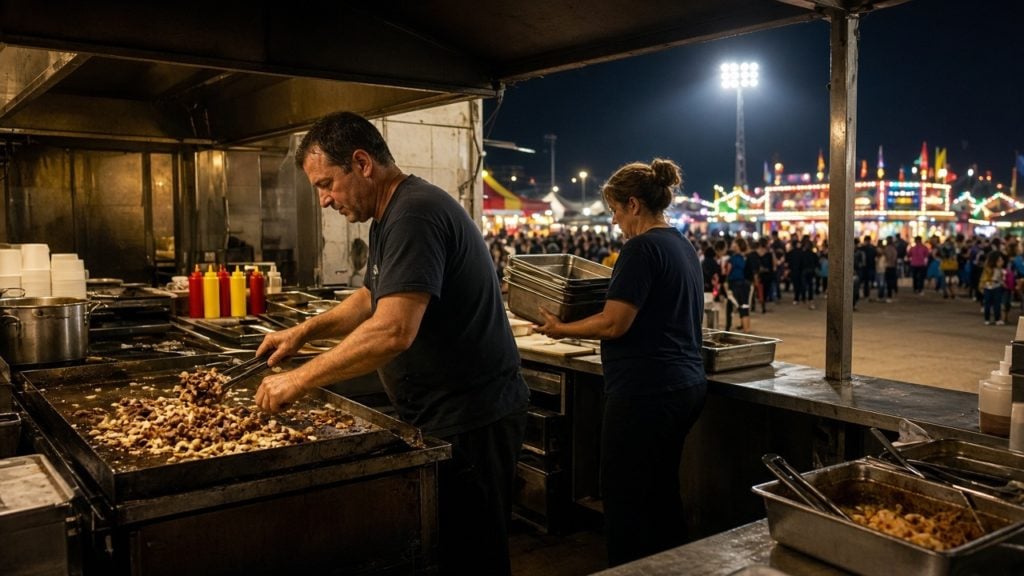
Adding evening hours sounds simple in a board meeting, but it stretches booth crews further every day. Learn how to spot county fair concession burnout early and plan staffing, breaks, and recovery that keep service steady.
A Signed Training Sheet Does Not Mean Your Fair Crew Understood the Job
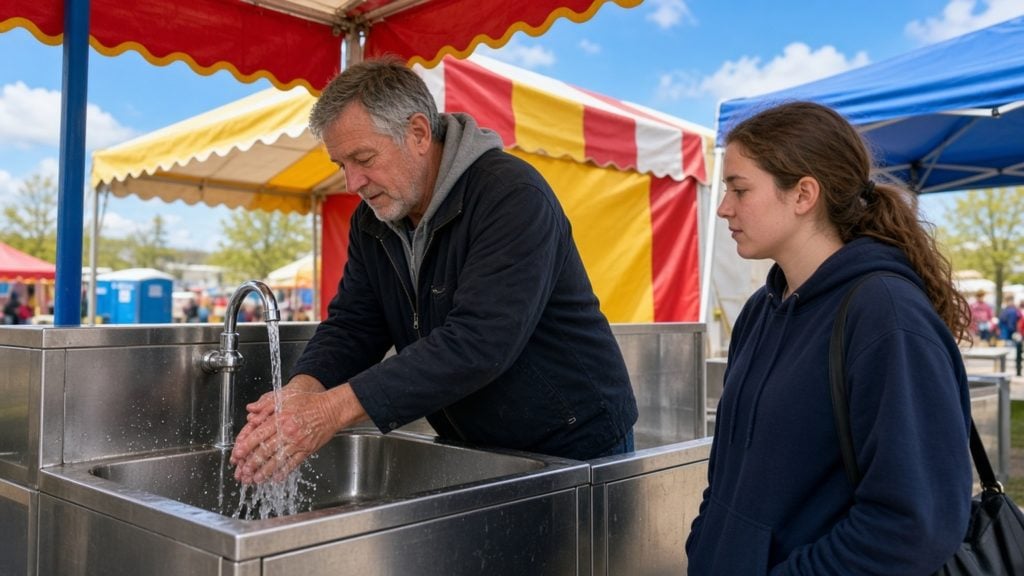
Signed orientation sheets do not prove a crew understood the work. Strengthen fair concession training with clear language, live demonstrations, respectful teach-back, product-specific instructions, and shift handoffs that remain usable during the busiest service periods.
Labor Shortage Season Is Here Again — How Fairs Are Losing $50K+ in One Weekend from No-Shows
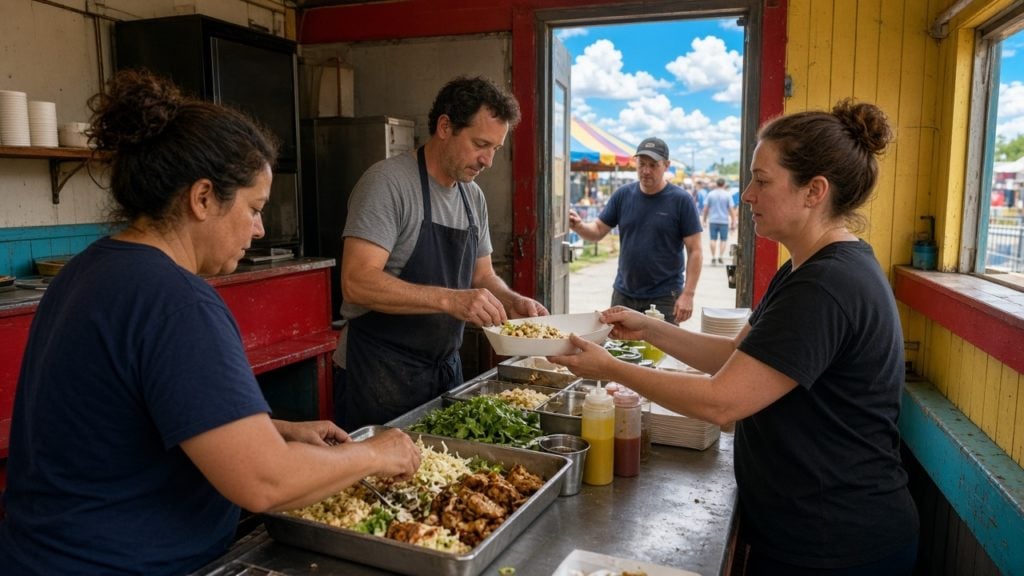
A few Saturday no-shows can cut sales capacity across an entire food court. Smart fair concession staffing plans for absences, cross-training, and gate access so missing workers do not turn into missing revenue for the fair.
A Sick Call Is a Food-Safety Decision, Not a Staffing Negotiation
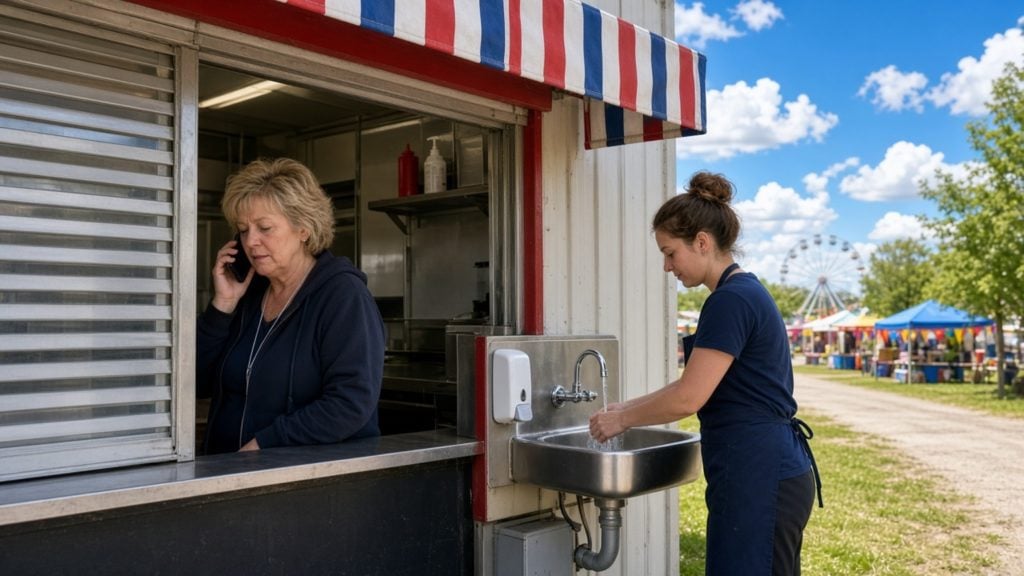
A sick call should trigger a reliable plan, not a debate about keeping the line moving. Give fair concession supervisors clear illness reporting, qualified coverage, cleanup ownership, and controlled service fallbacks before opening day arrives.
Teen Workers Are Not Interchangeable Labor: Build an Age-Safe Fair Concession Roster
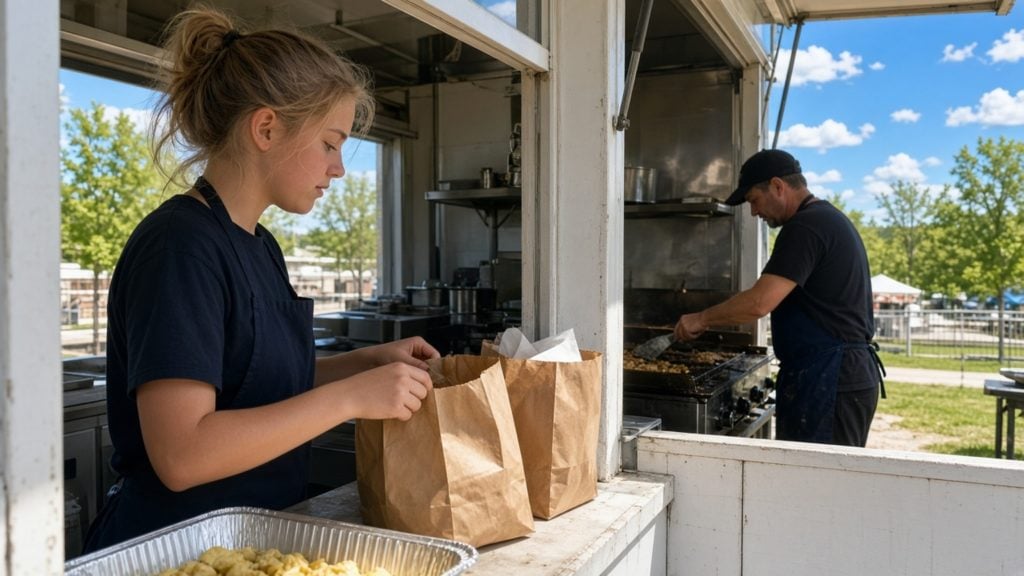
A full staffing roster can hide serious age-related assignment gaps. Build a fair concession plan that connects youth workers, permitted tasks, operating hours, adult coverage, and practical supervision before the first busy weekend arrives.
“They’re Staying on the Grounds” Is Not a Housing Plan — Get Seasonal Lodging Responsibilities in Writing
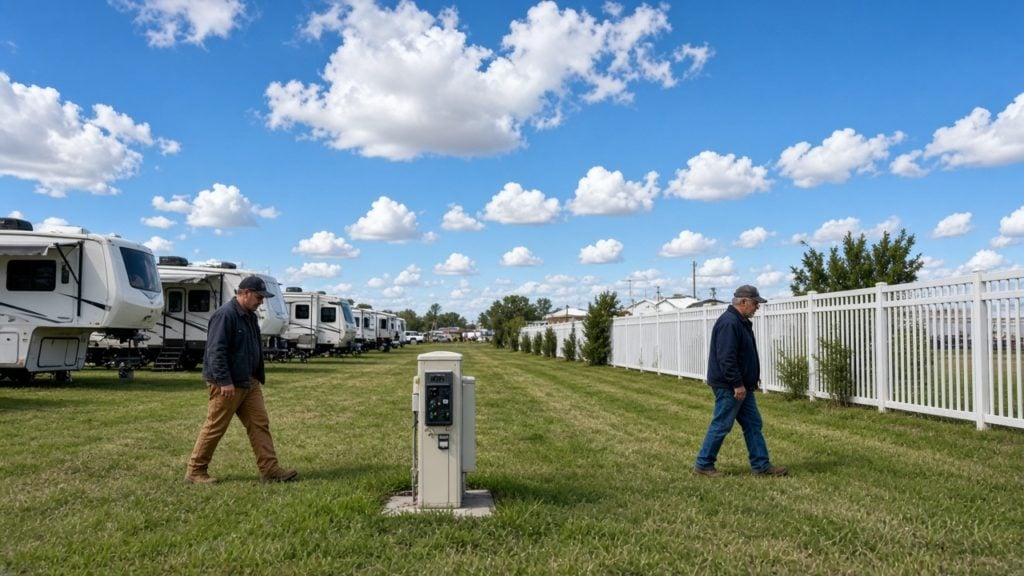
Telling vendors they can stay on the grounds is not a housing arrangement. A written seasonal fairground lodging plan settles RV placement, sanitation, power, and responsibilities before small assumptions become overnight problems for your staff.
Who Gets the Tip? The Wage-Policy Argument You Want Settled Before Opening
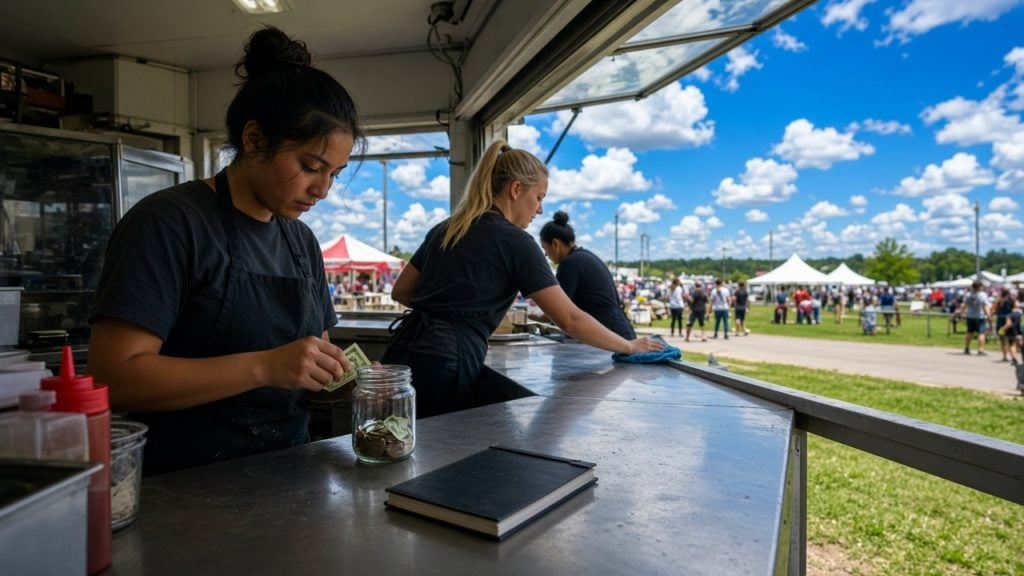
A tip jar raises real questions about who gets the money and whether supervisors share it. Set a clear California fair tip policy before opening day so crews, managers, and receipts all tell the same story.
The Concert Ends. Why Does the Food Court Feel Closed? Rethink the Fair After Dark
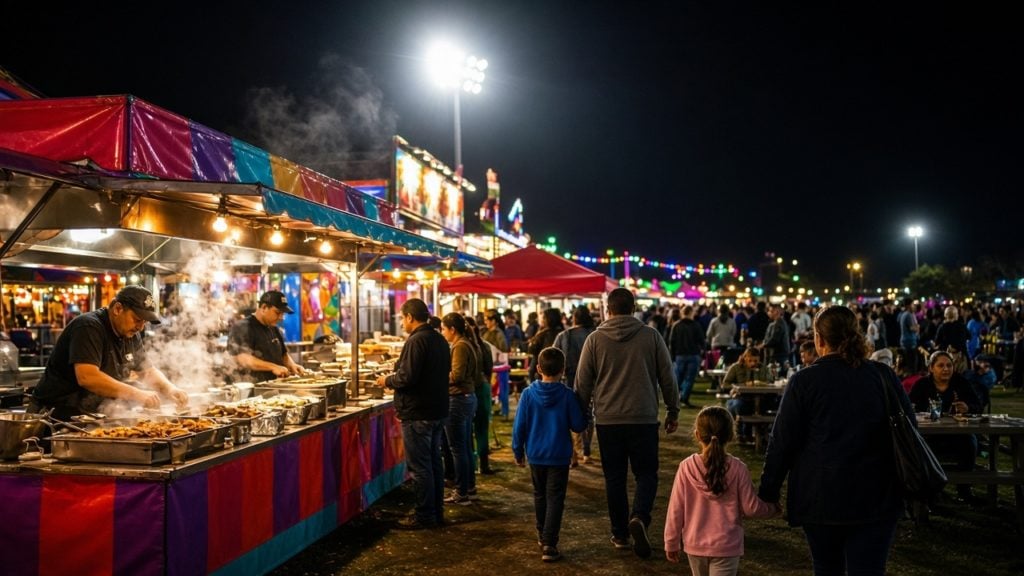
Guests leaving a concert expect dinner, not lowered shutters and endless lines. Planning the fair food court after dark aligns staffing, lighting, cleaning, and menus with entertainment so evening crowds stay, eat, and enjoy the night.