


Sustainability Isn’t Optional Anymore — Why 2026 Fairs Are Getting Pressured on Waste and Packaging
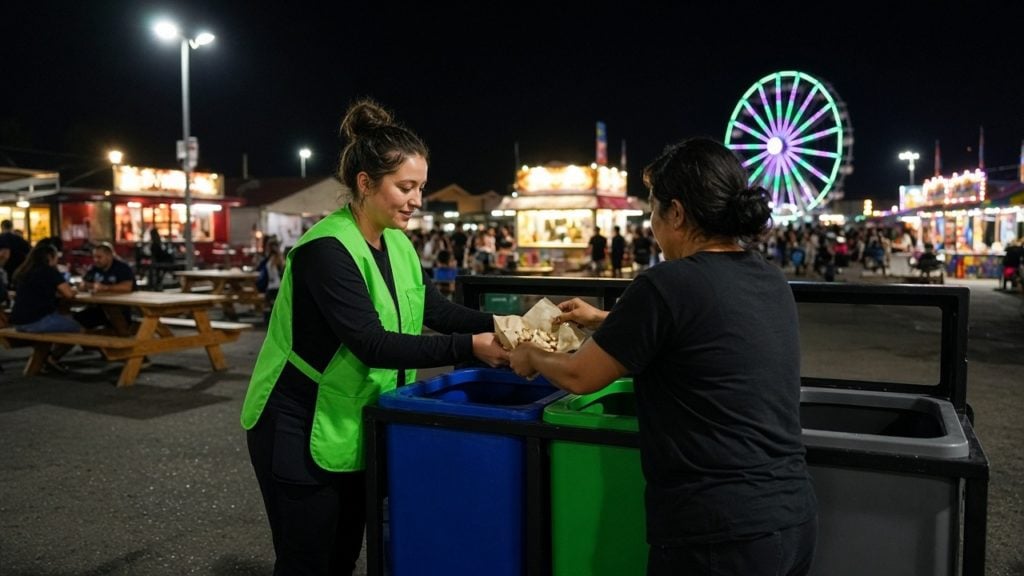
Overflowing trash cans behind the food court are now a compliance issue as well as an image problem. Get an overview of California fair waste and packaging rules and how vendors can meet them without slowing service.
The “Healthy Food Item” Mandate Is Back — How Fairs Are Making It Sell in 2026
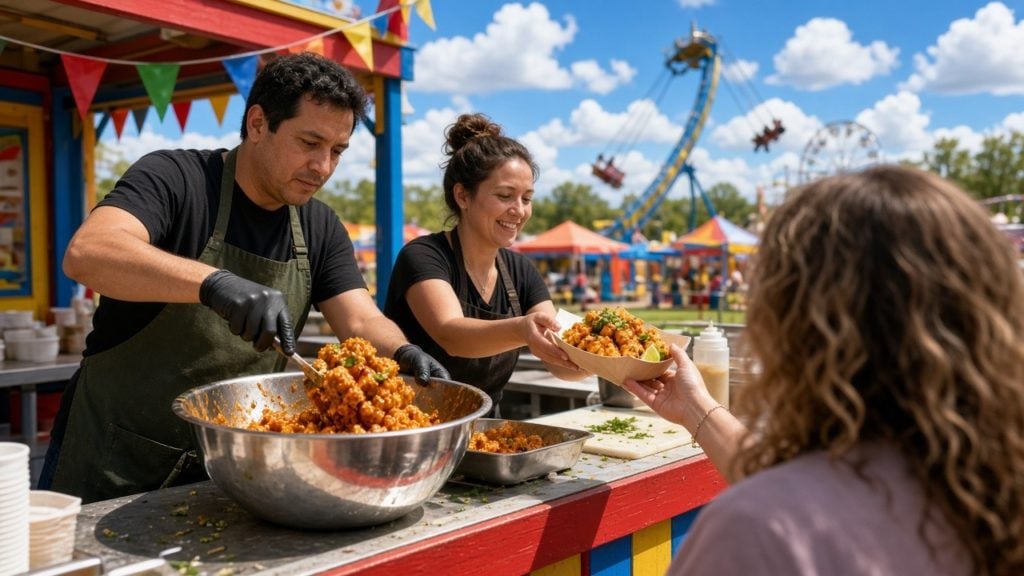
Healthy options do not have to mean a sad fruit cup nobody buys. Discover how fairs can make healthy fair food appealing, work with vendors on menus that sell, and turn a contract requirement into guest demand.
One Bad Vendor Can Tank Your Whole Fair’s Reputation — The 2026 Vetting Process That Actually Works
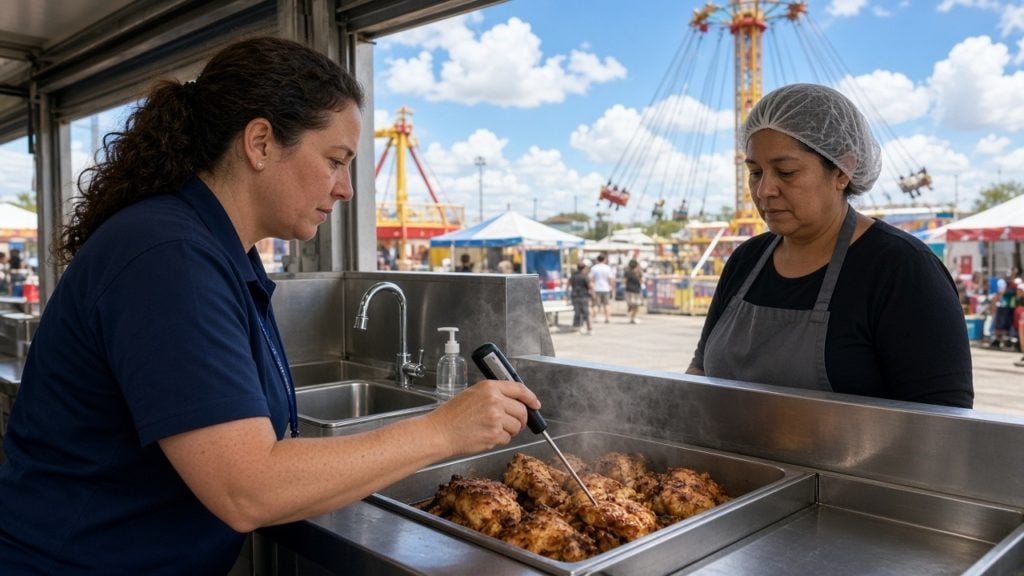
One careless vendor can put your whole fair in the local news for the wrong reasons. A practical fair vendor vetting process helps boards check food safety, service, and reliability before anyone signs a concession contract.
More Food Trucks, Less Profit? Set Your Fair Vendor Count With Demand, Not Wishful Thinking
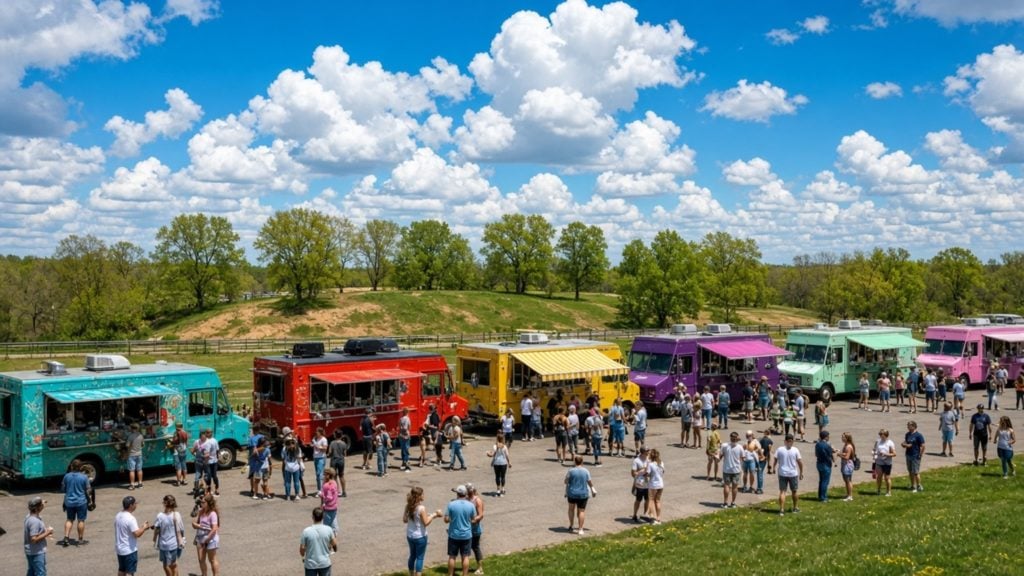
Too many food vendors can divide demand instead of improving service. Give your fair board a practical way to balance menu variety, guest access, production capacity, and vendor viability before the next booking commitment is made.
Inflation Just Ate Your Margins — How Fairs Are Surviving 2026 Without Raising Ticket Prices
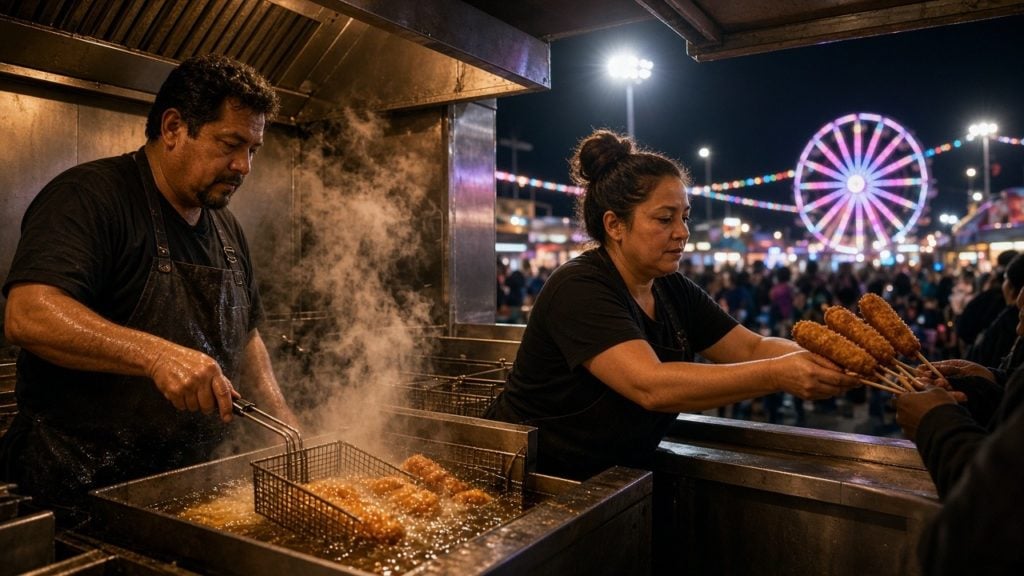
Fair food costs keep climbing, and families notice every price jump at the lemonade stand. Explore practical ways fairs can protect concession margins, adjust menus, and keep guests spending without automatically raising prices again this year.
The Complaint Reached the Board Before the Food Manager — Build a Guest Recovery Process

When a guest complaint reaches the board before the food manager, the process has failed. Build a fair food court guest recovery system that gives every concern a clear owner, a quick answer, and a fair resolution.
Good Food Shouldn’t Leave in a Dumpster — Build an Edible Recovery Handoff That Works
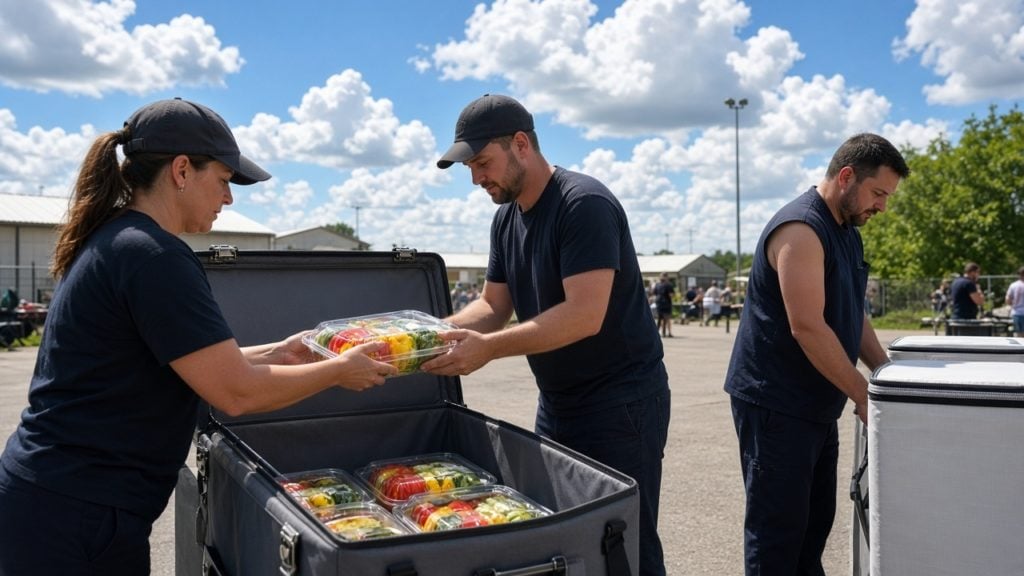
Good food should not end the night in a dumpster. Fair edible food recovery works best with an approved handling process, proper packaging, a ready recipient, and a pickup window agreed long before closing time arrives.
Wind Doesn’t Care About Your Dinner Rush — The Weather Decision Plan Every Food Court Needs
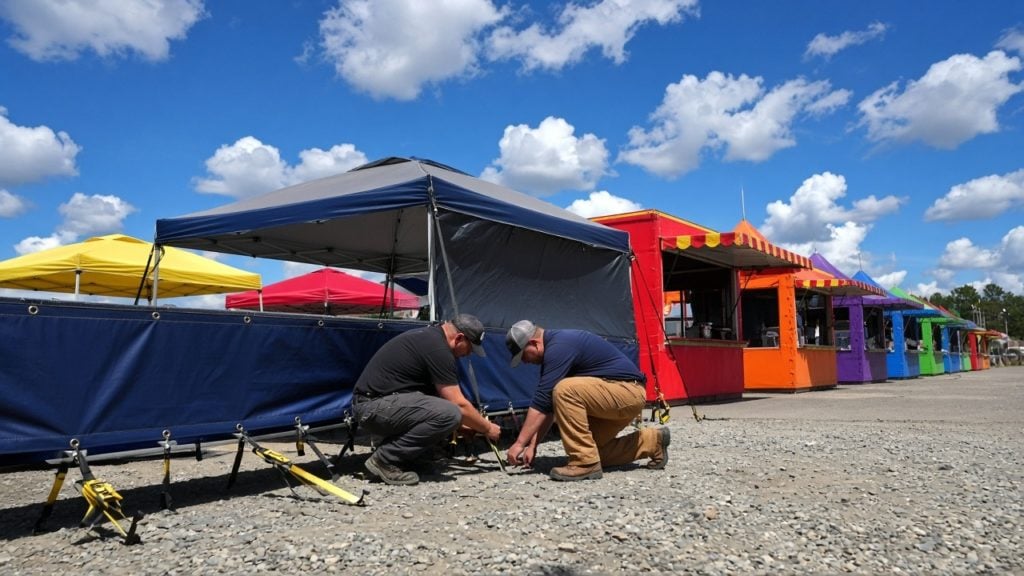
When a gust starts lifting canopies during the dinner rush, nobody should be debating who can stop service. A fair food court weather plan sets thresholds, authority, and communication before the wind picks up.
Skip the Order Line, Join the Pickup Mess? Make Digital Ordering Work on the Grounds
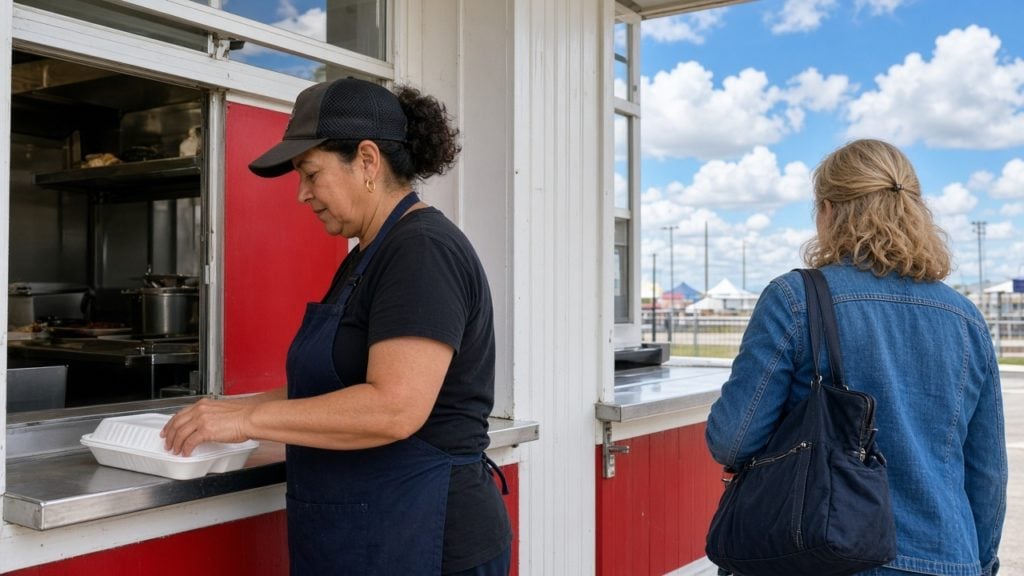
Phone orders can shorten the walk-up line while piling meals on the counter. Making digital ordering at county fairs work means planning pickup zones, kitchen flow, and order tracking so convenience actually reaches the guest.
Your Best Food Stand Is Blocking the Midway — The Queue Problem That Spreads Everywhere
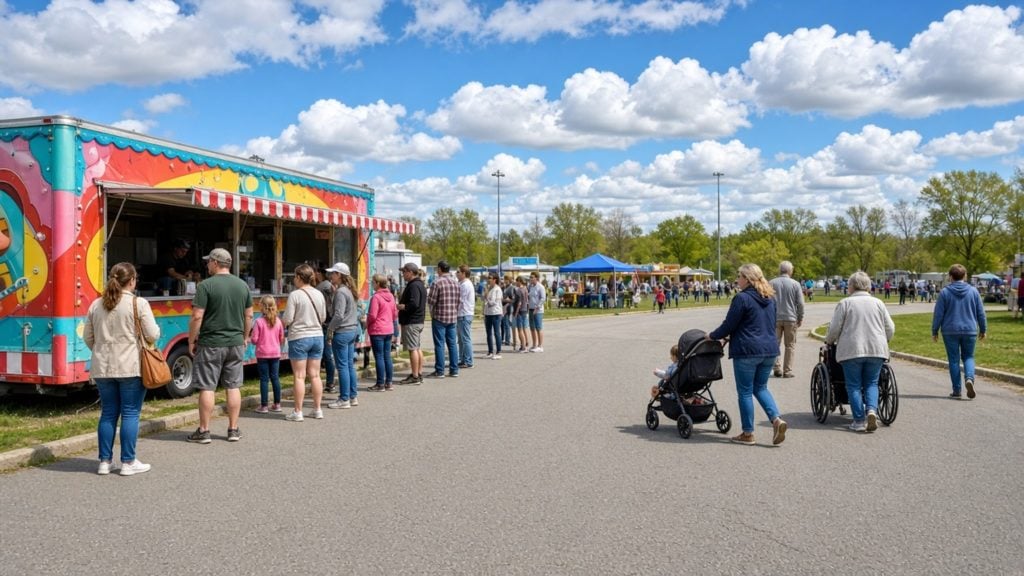
Your busiest food stand can block the midway and spill into neighboring booths. Good fair concession queue planning separates ordering, waiting, and pickup so popular vendors succeed without frustrating everyone trying to walk past the line.