


The Restock Truck Cannot Share the Lunch Line: Build Safer Fair Delivery Windows
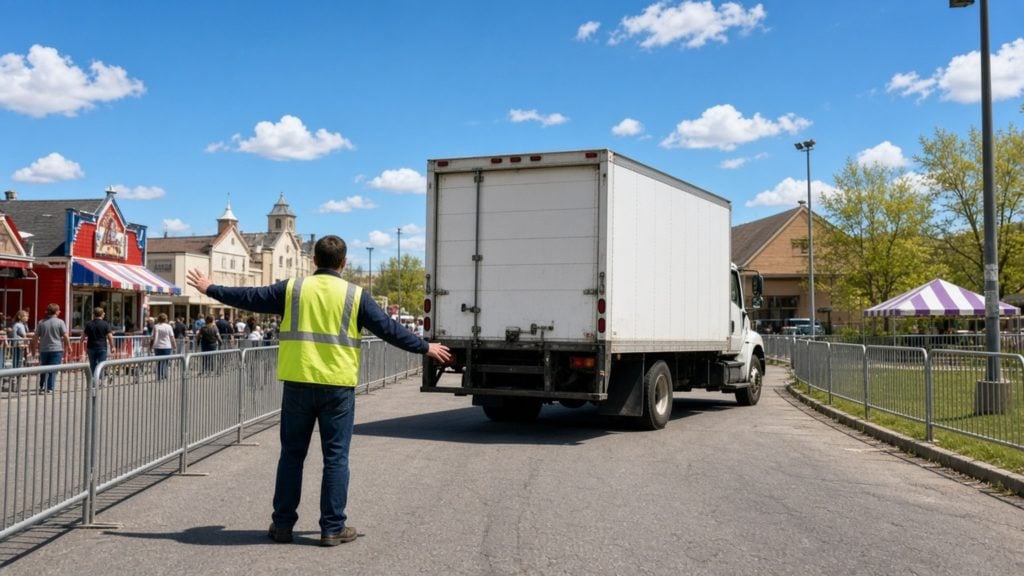
An urgent restock should not send a truck through the lunch crowd. Connect fair delivery windows, receiving staff, pedestrian separation, driver instructions, and late-arrival decisions into a safer replenishment plan for every operating shift.
The Generator Is Outside. Why Are Guests Still Breathing Exhaust?
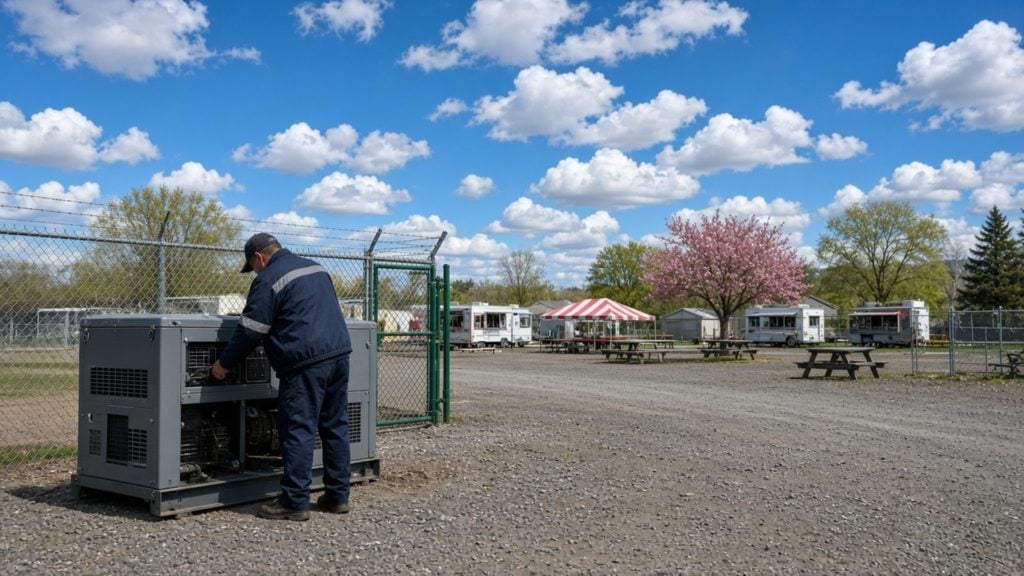
Outdoor generator placement can still put workers and guests in the path of exhaust. Coordinate fair food-truck power, occupied spaces, technical review, reporting, and controlled changes before a convenient location becomes an avoidable exposure problem.
The Cooler Is Warming: Make the Food Decision Before the Electrician Arrives
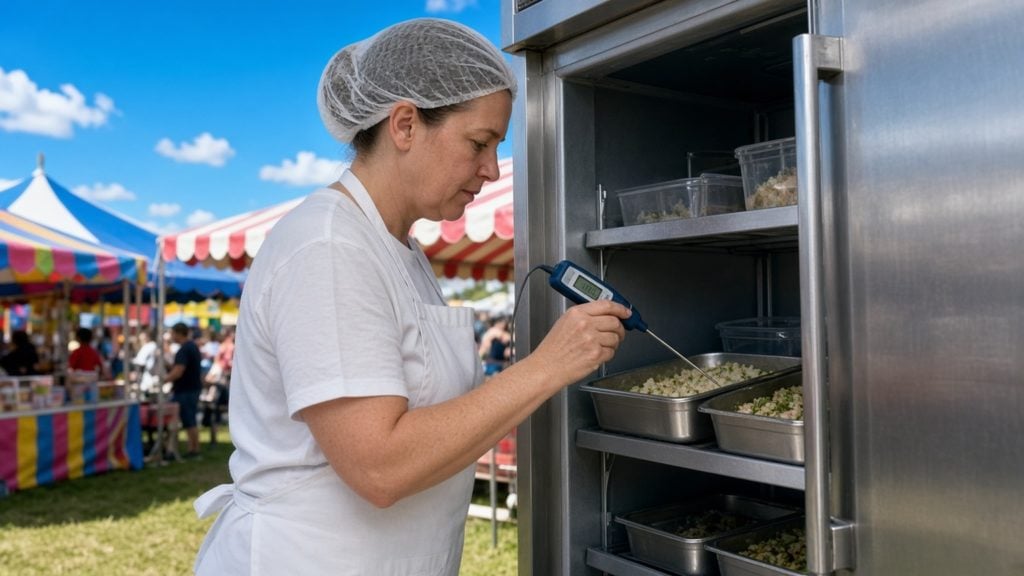
A repaired refrigerator does not erase the food’s temperature history. Give your fair concession team clear product holds, documented evidence, usable backup capacity, and separate food-safety and equipment decisions before the next interruption happens.
From the Livestock Barn to the Lunch Line: Fix the Handwashing Handoff
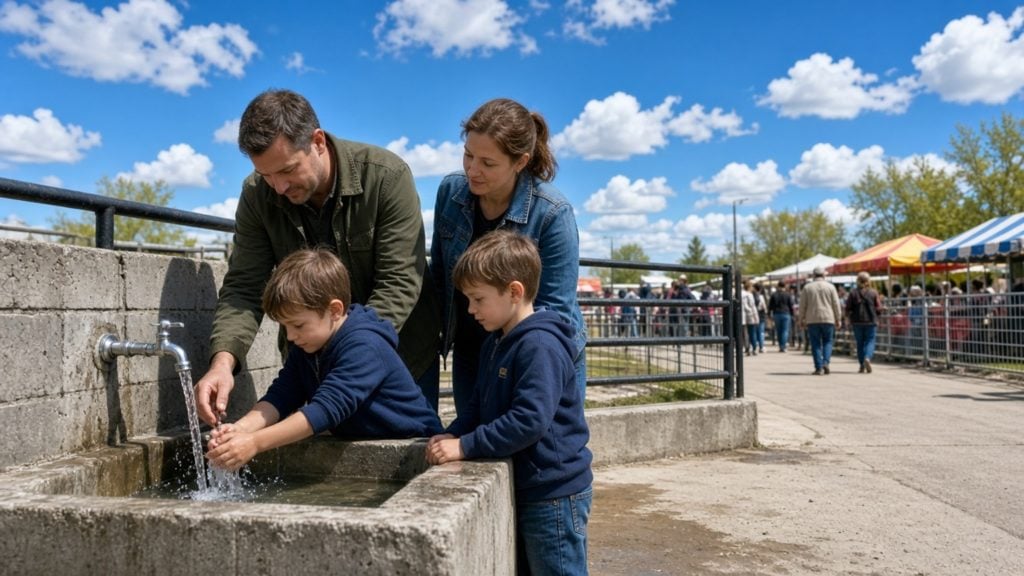
Guests move quickly from livestock exhibits to lunch, but handwashing cannot be an afterthought. Connect animal exits, public facilities, food placement, and maintenance ownership into a practical fairground handoff that works all day and night.
“They’re Staying on the Grounds” Is Not a Housing Plan — Get Seasonal Lodging Responsibilities in Writing
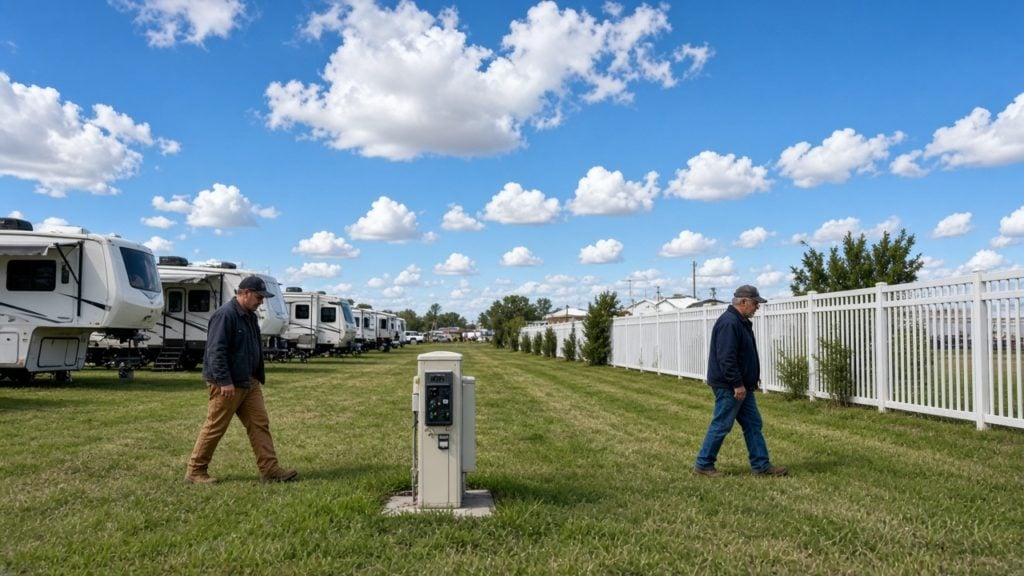
Telling vendors they can stay on the grounds is not a housing arrangement. A written seasonal fairground lodging plan settles RV placement, sanitation, power, and responsibilities before small assumptions become overnight problems for your staff.
The Concert Ends. Why Does the Food Court Feel Closed? Rethink the Fair After Dark
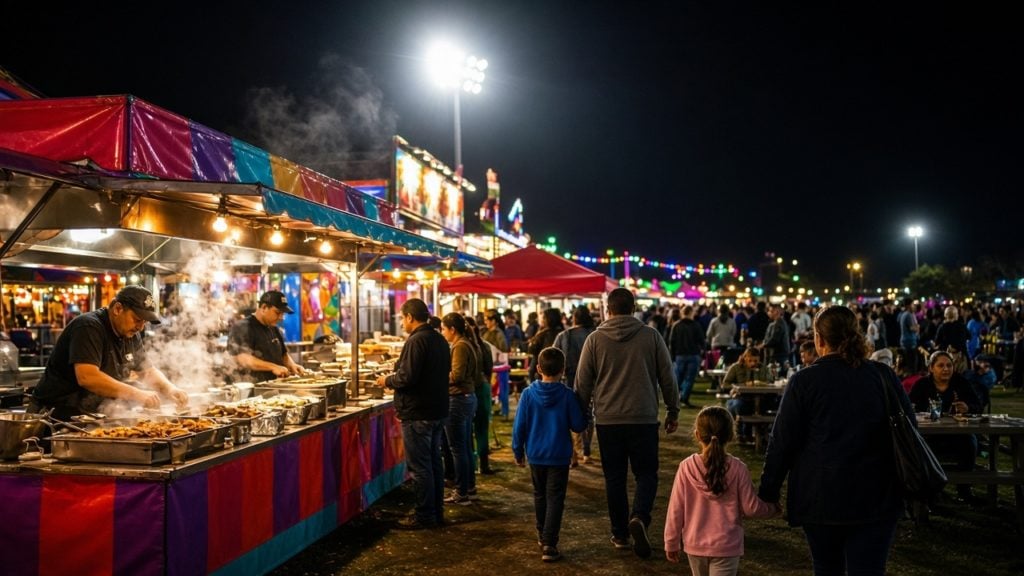
Guests leaving a concert expect dinner, not lowered shutters and endless lines. Planning the fair food court after dark aligns staffing, lighting, cleaning, and menus with entertainment so evening crowds stay, eat, and enjoy the night.
Blue Sky at Opening, Smoke by Supper — Who Makes the Call When Air Quality Changes?

A clear opening morning does not guarantee clean air by dinner. A written fair air quality operations plan defines who checks conditions, who makes the call, and how vendors and guests hear the decision quickly.
Wind Doesn’t Care About Your Dinner Rush — The Weather Decision Plan Every Food Court Needs
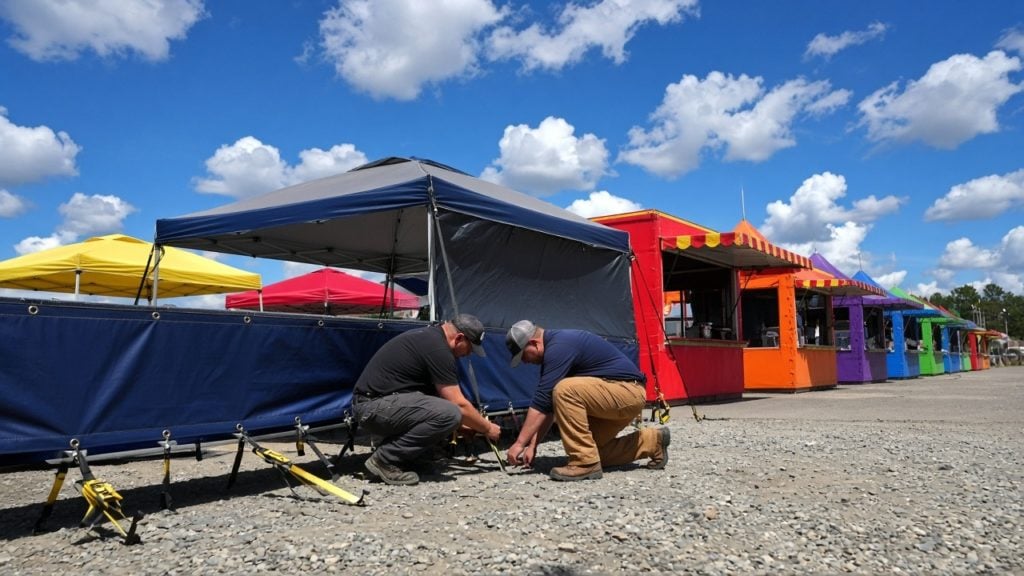
When a gust starts lifting canopies during the dinner rush, nobody should be debating who can stop service. A fair food court weather plan sets thresholds, authority, and communication before the wind picks up.
One Bad Alcohol Handoff Can Become the Whole Fair’s Problem — Build Responsible Service Into Operations
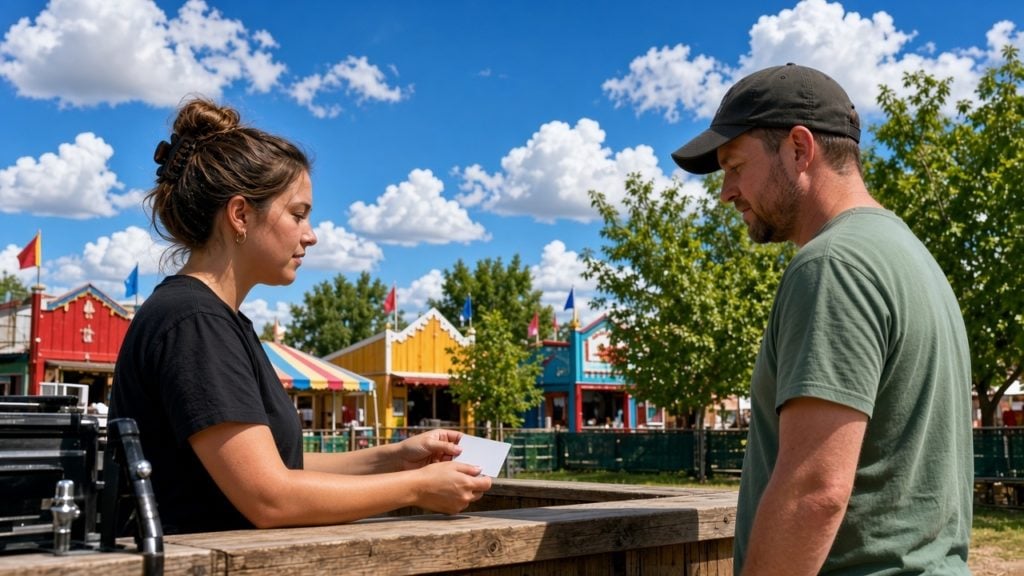
One bad alcohol handoff can become the whole fair’s problem. Responsible alcohol service at fairs depends on clear authority, trained servers, and supervisors who back decisions, not just wristbands and a licensing binder on a shelf.
Your Best Food Stand Is Blocking the Midway — The Queue Problem That Spreads Everywhere
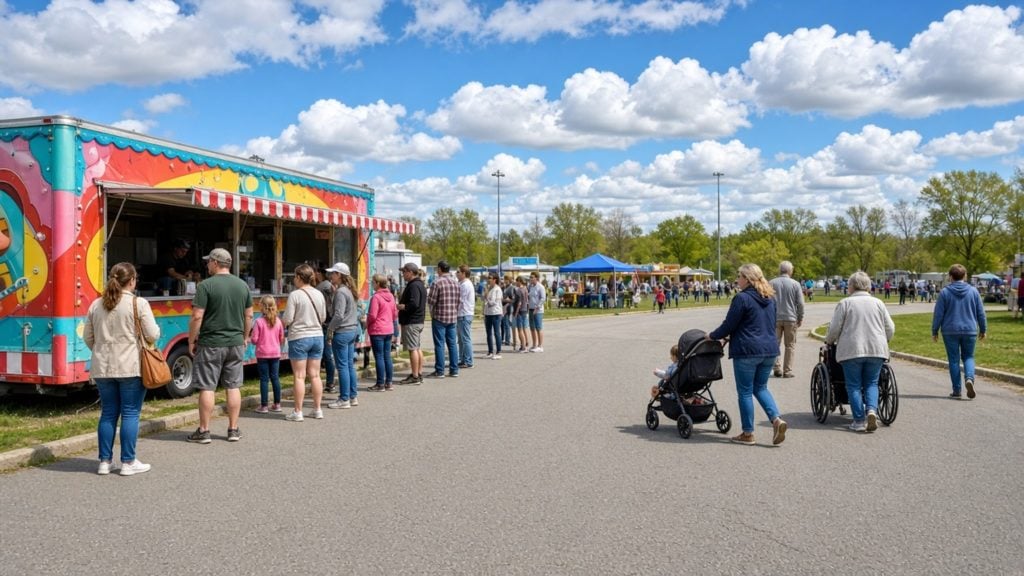
Your busiest food stand can block the midway and spill into neighboring booths. Good fair concession queue planning separates ordering, waiting, and pickup so popular vendors succeed without frustrating everyone trying to walk past the line.